
The 1 Euro Homes trend that Revitalize Rural Communities in Europe
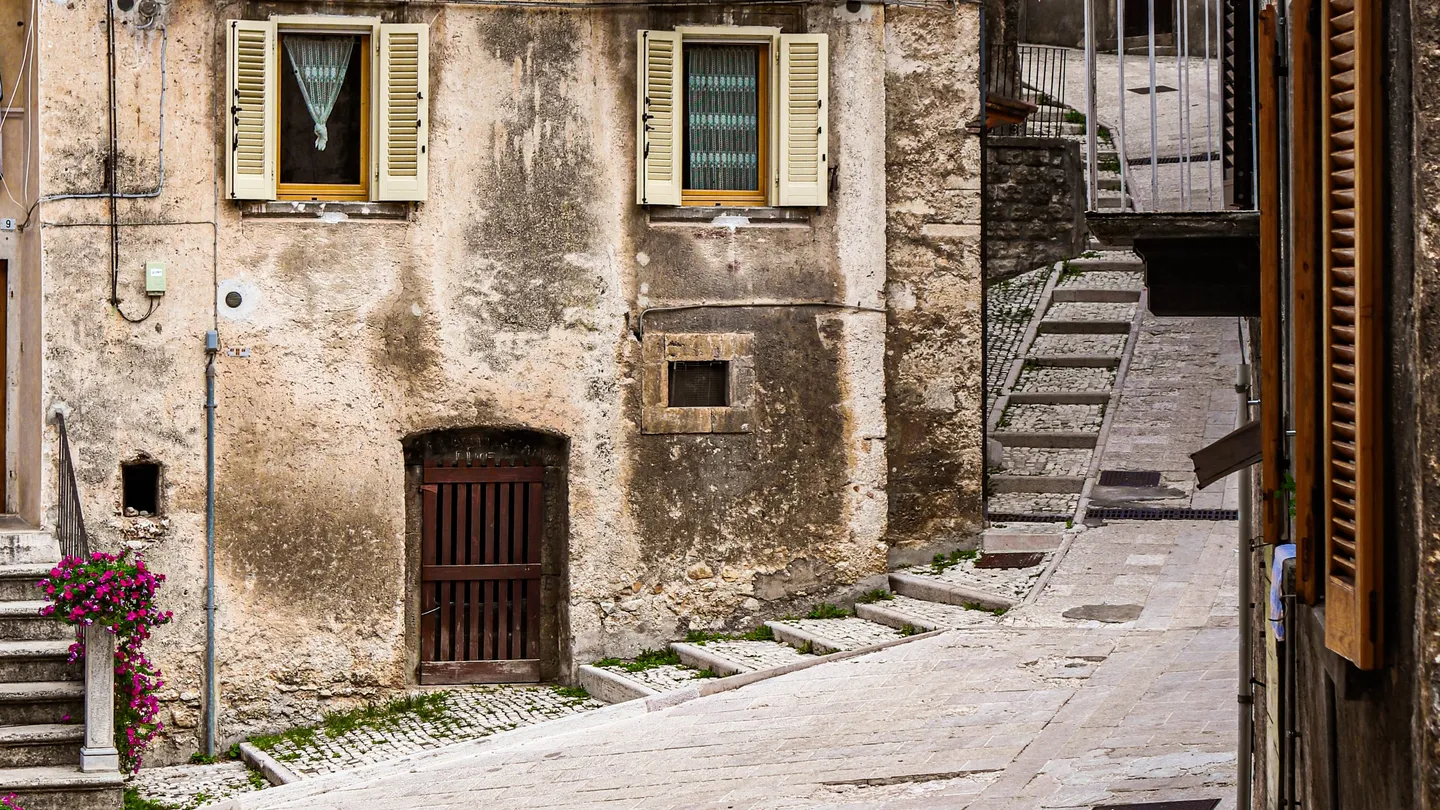
Photo by Vincenzo De Simone on Unsplash
The initiative to sell houses for a symbolic 1 Euro to address population decline in rural towns began in Italy 2008. Initially targeting locals, these campaigns are increasingly focused on attracting digital nomads.
The initiative to sell houses for a symbolic 1 Euro to address population decline in rural towns began in Italy 2008. Over fifteen years, this approach has spread globally, reaching countries like Switzerland, Spain, Croatia and France. Initially targeting locals, these campaigns are increasingly focused on attracting digital nomads.
Italy Leading the Way in Revitalizing Abandoned Villages
To combat serious population decline, Italy has been a forerunner in selling homes for a nominal fee.
The country saw a drastic reduction in its population by 384,000 in 2020, the largest decline in more than a century. This demographic shift led to a surplus of abandoned homes, particularly in rural and remote villages.
These homes, often several decades old and in varying states of disrepair, are offered by municipalities for a symbolic price of 1 Euro. The initiative aims to attract new residents and investors to breathe life into these forgotten communities. However, while the purchase price is minimal, the cost of restoring these homes is not.
Prospective buyers must be prepared for the reality of renovating these properties. The typical home available under this scheme is about 700 square feet and often requires full rehabilitation to become habitable and compliant with current building standards. The costs for such renovations can be steep, with estimates often reaching around 30,000 Euros. These expenses cover everything from structural repairs to modern amenities and compliance with local codes.
Maurizio Berti, representing Case A 1 Euro, stresses the importance of prospective buyers visiting Italy to understand the scope of their investment. Viewing properties in person provides a clearer picture of the restoration work needed and the character of the local communities. It also allows buyers to engage directly with local authorities and artisans who play central roles in the renovation process.
The Italian 1 Euro home initiative goes beyond a simple real estate transaction. Buyers are investing in the local community, contributing to its recovery, and in many cases becoming part of the village’s social fabric. This particularly appeals to those looking to connect with traditional Italian culture and lifestyle.
As the initiative continues to evolve, it attracts a wide range of buyers: retirees looking for a quiet lifestyle, young families seeking a connection with nature, and increasingly, digital nomads drawn to the slower pace of life in these rural villages. The combination of affordable property prices and Italian culture makes this a distinctive proposition for people from various backgrounds.
However, potential buyers should be prepared for the challenges of rural living in Italy, from language barriers to limited access to modern conveniences. The initiative’s success depends on new residents’ willingness to embrace these challenges and immerse themselves in the revitalization of these historic villages.
France’s Entry into the 1 Euro Home Market
Following Italy’s lead, France has begun its own effort to rejuvenate its rural areas through the 1 Euro home market. Though newer than Italy’s, this initiative is gaining momentum.
One notable example is Saint-Amand-Montrond, a town located approximately 300 kilometres south of Paris. Here, homes around 1,000 square feet are available for the symbolic sum of 1 Euro. This presents an opportunity for those seeking to take part in French rural life away from the busy urban centres.
However, acquiring these homes comes with specific commitments. The French model requires that buyers invest their time and resources into the properties. Buyers must start renovations within six months of purchase, with a completion deadline of two years. This ensures that the properties are quickly restored and made habitable, contributing to the life of the community.
These homes are also intended to encourage long-term residency. Using the properties for short-term rentals, such as Airbnb, is prohibited. This rule prevents the commercialization of these homes and ensures they contribute to the permanent population of the village, preserving the community character.
The French approach to the 1 Euro home market goes beyond selling properties cheaply. It aims to attract individuals and families genuinely interested in becoming part of a community. It appeals to those who appreciate rural France and are willing to contribute to the preservation of these traditional villages.
While the renovation cost can be a real investment, it pales compared to property prices in urban France. Renovating these homes also offers a chance to blend traditional French architecture with modern living, creating a space that is both characterful and comfortable.
Prospective buyers should also consider the broader aspects of rural living in France. This includes embracing the local culture, learning the French language, and adapting to a lifestyle quite different from urban living. The rewards, though, are real: a quieter lifestyle amidst the French countryside, rich history, and excellent food.
Croatia’s Approach to Affordable Housing: Reinvigorating Rural Communities
Croatia, joining the trend of revitalizing rural areas, offers a distinct model in the affordable housing market. The country has introduced a program to sell houses for as little as 1 kuna (approximately 0.16 Euros), with Legrad, a village near the Hungarian border, as a prime example.
Legrad’s offer stands out not just for its low price but also for its targeted demographic and supportive policies. The program is designed to attract younger, financially stable individuals and families by setting an age limit of under 40 years for prospective buyers. This approach aims to bring new energy and long-term development potential to these rural areas.
The Croatian model also emphasizes commitment to the community. Buyers must make a 15-year ownership commitment, ensuring that the benefits of this program extend beyond property restoration to building stable communities. This long-term perspective matters for sustaining rural population growth and development.
In addition to the nominal purchase price, Legrad’s government contributes to the restoration process by offering 20% renovation support, up to 35,000 Kunas (around 5,000 Euros). This financial assistance makes the renovation process more manageable. It shows the government’s commitment to both attracting and supporting new residents.
This initiative presents a real opportunity for individuals and families to own a property in a quiet, rural setting at an affordable price while contributing to the recovery of a community. It particularly appeals to those who seek a slower pace of life, a closer connection to nature, and a chance to be part of a close-knit community.
Prospective buyers should be aware of both the challenges and rewards of rural living in Croatia. These include adapting to local customs and language, accessing modern amenities, and integrating into the local community. But the rewards are real, offering a chance to live in one of Europe’s most beautiful countries, known for its landscapes, rich history, and welcoming people.
Ireland’s “Our Living Islands” Initiative: A Step Toward Rural Revival
The Republic of Ireland, in a move to address depopulation on its rural islands, has launched the “Our Living Islands” initiative. Announced in June 2023, this program targets about 30 islands that have experienced dwindling populations over the years. The Irish government has set out to attract new residents through a substantial financial incentive.
Central to this initiative is the provision of grants up to 84,000 Euros, earmarked for the restoration of derelict properties. This financial support is designed to lower the barriers for those interested in renovating and revitalizing these historic properties. The goal is to make these islands workable options for living and employment, thereby helping preserve their cultural and historical character.
However, the initiative has its prerequisites. Non-citizens interested in participating must deal with the complexities of Irish immigration law. Applicants need to secure long-term residency, which shows the government’s commitment to ensuring that new residents are prepared for a lasting commitment to island life.
Life on Ireland’s rural islands offers a distinctive experience: natural beauty, rich cultural heritage, and a slower pace of life. But potential residents must be prepared for the realities of island living. This includes limited access to modern conveniences, reliance on weather-dependent transportation, and the need to integrate into small, often traditional communities.
This initiative is about more than filling empty houses. The Irish government’s approach reflects an understanding that repopulation efforts must come alongside support for local economies, infrastructure development, and the preservation of the unique cultural identities of these islands.
The “Our Living Islands” initiative is an invitation to take part in Ireland’s rural revival, contribute to preserving its island communities, and experience the distinct lifestyle these places offer. It appeals to those seeking a deeper connection to nature, a sense of community, and a lifestyle that contrasts sharply with urban living.
Conclusion
The 1 Euro home trend, initially aimed at combating rural depopulation, has grown into a movement spanning multiple countries. These initiatives offer opportunities for individuals to own properties at nominal prices, provided they commit to renovating and revitalizing these homes. The movement benefits buyers and plays an important role in preserving the cultural heritage of rural communities across Europe.