
Beyond the Office: Why Tech Workers are Turning to Rural Retreats
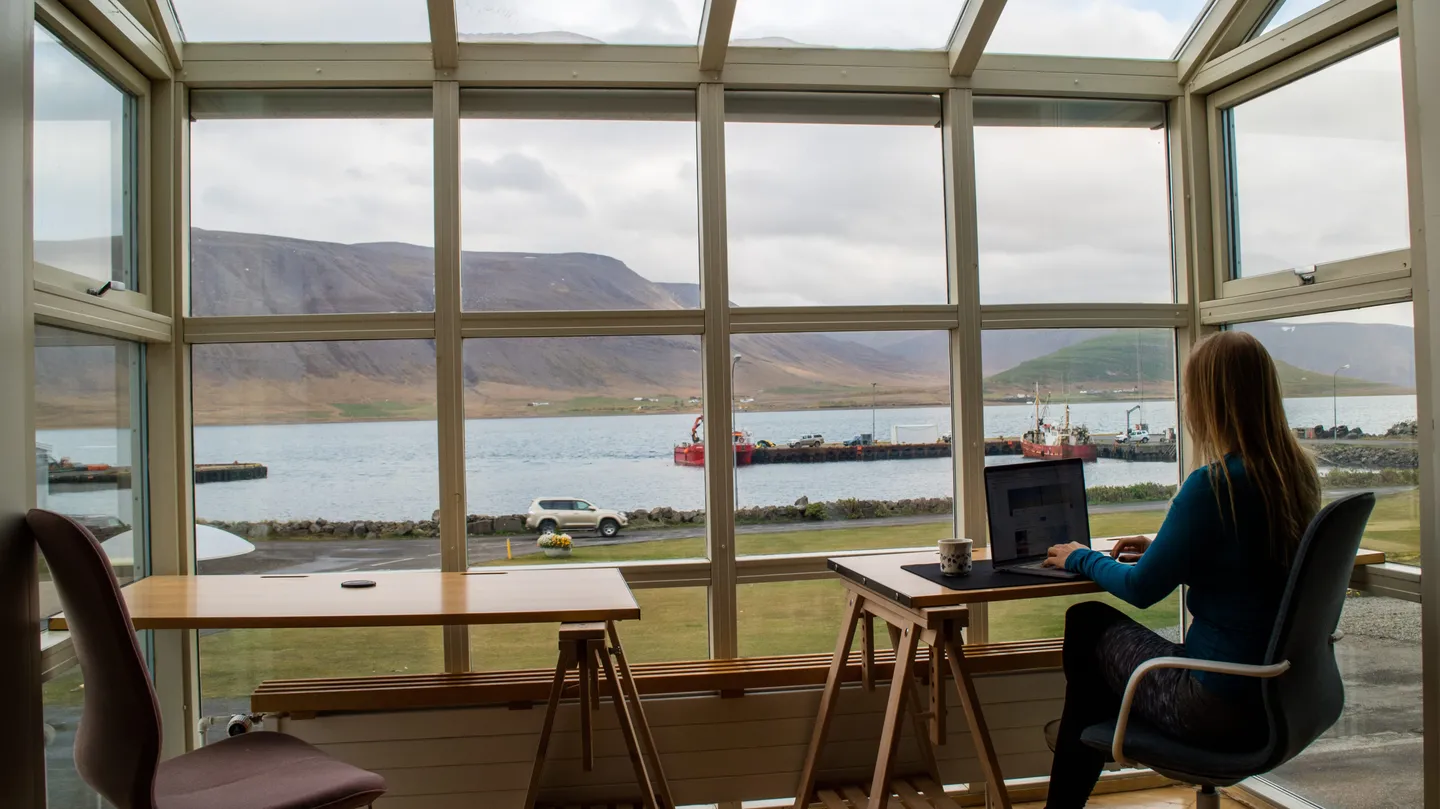
Photo by Kristin Wilson on Unsplash
The shift towards rural living among tech professionals reflects a significant change in work and lifestyle preferences, driven by the desire for a stress-free environment enabled by technological advancements and supported by economic benefits. This trend not only promises a more balanced life for individuals but also holds the potential to reshape the dynamics of both the tech industry and rural communities.
In recent years, the technology sector has gone through a real transformation. Traditionally, tech work meant urban centres, where busy city environments provided a hub for innovation and collaboration. But that’s changing. Remote work, once uncommon in this sector, has become a mainstream option, driven by advances in technology and shifts in work culture.
This change has brought an alternative into focus that was once considered impractical for tech professionals: rural retreats. Unlike the fast-paced, densely packed urban settings, rural areas offer a quieter environment with open spaces and closer proximity to nature. These places are emerging as realistic, even desirable, options for tech workers to live and work.
For tech professionals, choosing a rural retreat is more than a change of scenery. It represents a rethinking of work-life balance, productivity, and what a workplace even means. As we look further, we’ll explore how and why tech workers are making this move, balancing the appeal of a quieter lifestyle with the demands of a high-tech career.
Escaping The Urban Stress
The transition from urban tech hubs to rural environments is a real shift for many in the technology sector. Urban centres, known for their intensity and density, often come with high stress levels. Rural areas offer something different: quiet, open spaces, and a slower pace.
Recent research supports the psychological advantages of natural settings for mental and emotional well-being. A study published in the International Journal of Environmental Research and Public Health (Qiu, Chen, & Gao, 2021) found that natural environments, such as green and blue spaces, significantly aid mental restoration in older adults. The findings suggest similar benefits extend to people of all ages, with natural environments providing calm and balance that can relieve anxiety and stress. The green spaces found in rural areas contribute to the psychological well-being of residents beyond just looking pleasant.
Living in rural settings also allows for more personal space and a closer connection to nature, both of which matter for mental health.
The move to rural areas can lead to a more mindful way of living, where people become more aware of their surroundings and the present moment. This mindfulness helps counter the feeling of being constantly overwhelmed, which is common in urban tech environments.
The appeal of rural environments lies not just in their physical qualities but in their ability to offer a break from the intensity and stress of urban life. For tech workers, this can translate into a more balanced professional and personal life.
How feasible is remote work in a rural area
The feasibility of remote work in rural areas has improved considerably, mainly due to advances in technology and connectivity. The widespread availability of high-speed internet, even in remote locations, is a major factor.
For example, recent initiatives in the UK have led to notable improvements in digital infrastructure in rural areas. The ‘Unleashing Rural Opportunity’ program highlights these advances, particularly in broadband connectivity.
As part of this effort, over 75% of UK premises, including hard-to-reach rural areas, now have gigabit-capable broadband, up dramatically from just 6% in early 2019. This improvement comes from the government’s £5 billion investment in Project Gigabit and other initiatives aimed at boosting rural digital infrastructure.
Such progress in connectivity is important for making remote work practical and supporting economic growth in rural communities.
Telecommunications advances have also helped. Satellite internet, previously a niche solution, has improved rapidly. A notable example is Starlink, which provides reliable, high-speed internet services in various locations, including rural areas. The service costs £75 per month, with an initial hardware cost of £449.
The adoption of remote work tools and cloud-based platforms has become widespread, making it easier for tech professionals to collaborate and work efficiently from any location.
This technological progress has made remote work more feasible and productive, breaking down the barriers that once tied tech work to urban centres. With these advances, rural areas are no longer cut off from the technological world but are part of a globally connected workforce.
Comparing the Cost and Quality of Life
The economic advantages of rural living, particularly for those earning city-level salaries, are real. The cost of living in rural areas is noticeably lower than in urban centres. This difference shows up in several areas, including housing, general expenses, and property taxes.
Housing costs in rural areas are much lower than in urban centres. A comparison between Livingston, Montana vs New York shows that median home cost is 36% more expensive in New York.
However, the general cost of living, including utilities, groceries, and transportation, can be higher in some rural areas. A report by the Scottish government estimates:
[…] the minimum cost of living in remote rural Scotland is between 15% and 30% higher than in urban parts of the UK. The research suggests this is due to significant additional costs, such as food, clothing, household goods and holidays.
Quality of life
The quality of life in rural areas often improves, mainly due to access to nature and larger living spaces. Open spaces, forests, and bodies of water contribute to a healthier lifestyle, with opportunities for outdoor activities such as hiking, fishing, and gardening.
The lower population density and slower pace of life in rural areas can mean less stress and a more community-oriented lifestyle. This appeals especially to those seeking a break from the high-pressure environment of big cities.
Economically, the move to rural areas can result in higher disposable income and savings, while the quality of life benefits from natural surroundings and spacious living conditions. For tech workers, this presents both financial savings and a more satisfying, balanced lifestyle.
Community and Networking
In the shift towards rural living, tech workers face the challenge of maintaining professional networks and community connections. Despite the physical distance from urban tech hubs, many have found ways to stay connected and build their professional relationships.
Remote networking platforms and online communities play an important role here. Tech workers use platforms like LinkedIn, Slack communities, and industry-specific forums to stay engaged with their peers. Virtual conferences and webinars have also become more common, offering opportunities for professional development and networking without geographic constraints.
Overcoming the Challenges
While the transition to rural living offers many benefits, it’s worth acknowledging the potential challenges.
-
Limited Local Amenities: Rural areas often lack amenities common in urban centres, including shopping options, entertainment venues, and specialist healthcare services. Many remote workers plan regular trips to nearby towns or cities for supplies and services not available locally. Online shopping and delivery services have also reduced the impact of this challenge, making a wider range of products and services accessible.
-
Social Isolation: Living in a less populated area can lead to feelings of isolation, particularly for those used to city social life. To counter this, tech workers can engage with their local communities. Participating in local events, joining clubs or groups, and volunteering are good ways to build social connections. Maintaining regular virtual contact with friends and colleagues also helps.
Conclusion
The trend of tech workers moving to rural retreats marks a real shift in where and how work gets done. This movement is driven by several factors: the search for a less stressful environment, technological advances that enable remote work, economic benefits, and the desire for a better quality of life.
Rural environments offer a break from the urban pace, with natural settings that contribute to mental and emotional well-being. Technological advances, particularly in internet connectivity, mean these locations are no longer remote in a professional sense, allowing tech workers to perform their roles effectively from anywhere.
The cost benefits of living in rural areas, particularly for those earning city-level salaries, are clear: lower living expenses paired with larger living spaces and access to nature make for an appealing package. The ability to maintain and grow professional networks, despite the physical distance from urban centres, has been another important factor in this transition.
This trend is likely to continue and evolve, potentially influencing both the tech industry and rural communities in several ways. For the tech industry, this could mean a more distributed workforce, leading to diverse perspectives and possibly sparking innovation in new directions.
For rural communities, the influx of tech professionals could bring economic growth, revitalization, and improved infrastructure. It also brings challenges, such as potential cultural shifts and increased demand for local resources.
The movement towards rural retreats by tech workers is more than a passing trend; it reflects a broader change in work culture and lifestyle preferences. As it continues, it will be worth watching how it reshapes both the tech industry and rural communities.