
Breathe Deep, Live Fully - The Health Benefits of Rural Nature
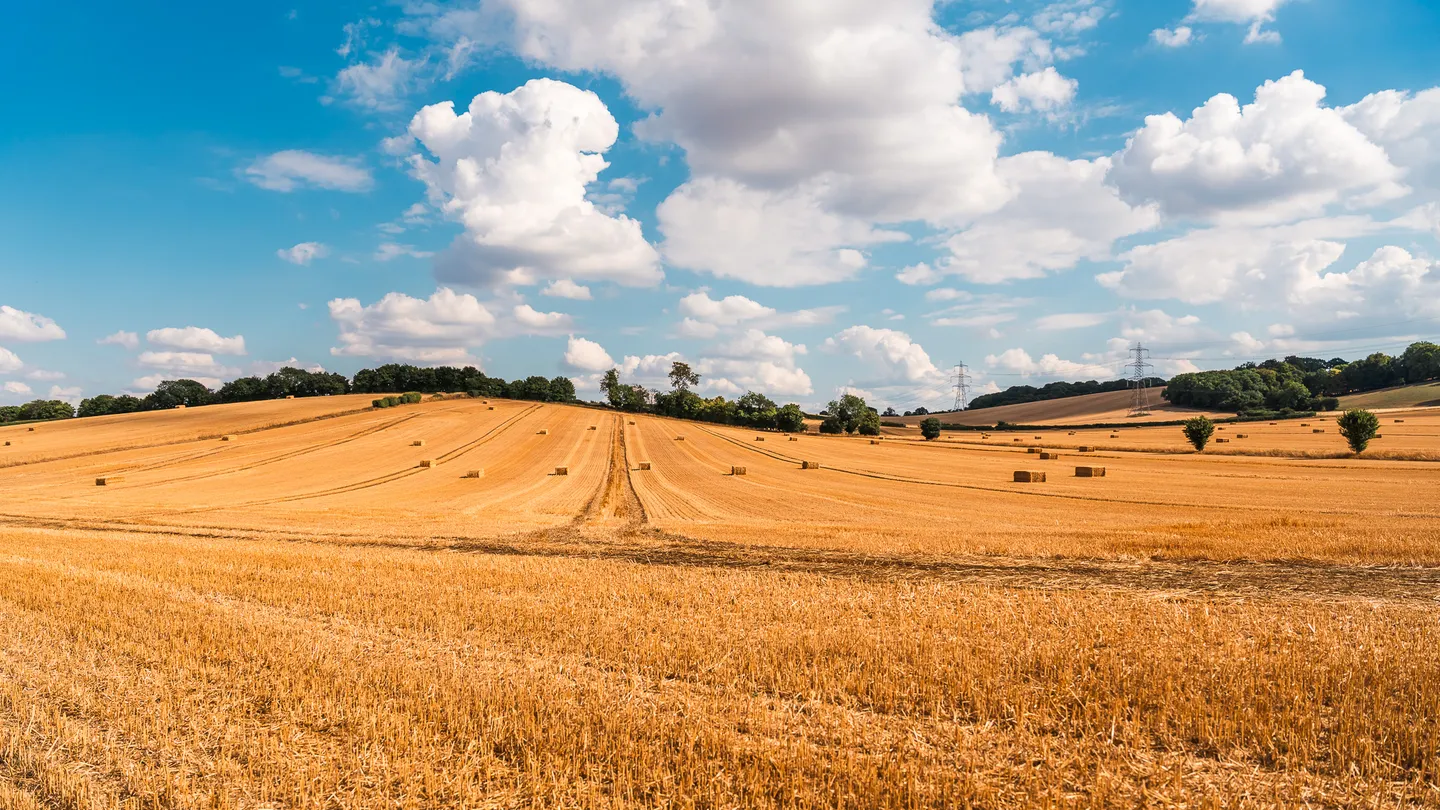
Rural living offers significant health advantages, including cleaner air, reduced stress levels, and a more active lifestyle. Access to fresh, organic food and strong community connections further enhance the physical and mental well-being of those residing in rural areas.
Rural environments offer distinct advantages for health and well-being. Cleaner air, minimal noise pollution, and plenty of opportunities for physical activity are among the most obvious. A more active lifestyle, access to fresh and locally sourced food, and the rhythms of country life all influence physical and mental health directly. These factors shape how living in rural areas can lead to a healthier, more grounded life.
Better Air Quality
One of the most noticeable contrasts with urban environments is air quality. Rural areas offer relief from the dense pollution often found in cities. This difference goes beyond comfort; it has real health consequences.
Lower levels of pollutants and particulate matter in rural settings reduce the risk of respiratory conditions such as asthma and chronic bronchitis. Health studies consistently find that cleaner air improves lung function and general health.
Simply breathing in a rural environment may give your well-being a quiet boost.
Natural Stress Relief
Nature’s role in psychological well-being is well documented. Studies have consistently shown that green spaces in rural areas have a calming effect, reducing stress hormone (cortisol) levels and lifting mood.
Researchers have measured how exposure to nature directly contributes to mental health improvements. The quiet of rural settings creates space for relaxation and mental recovery, a clear contrast to the often overwhelming pace of urban life.
Increased Physical Activity
Rural living naturally promotes a physically active lifestyle. Whether hiking in the hills, tending a garden, or managing a small farm, rural residents typically engage in more physical labour and recreation than their urban counterparts.
This increase in physical activity benefits the body by reducing obesity rates and associated health issues like heart disease and diabetes. It also has positive effects on mental health. The active rural lifestyle combines physical and psychological well-being in a way that feels natural rather than forced.
Organic and Locally-Sourced Diets
The diet of those living in rural areas often features more organic and locally sourced produce. A closer relationship with food sources means a diet that is fresher, more seasonal, and less reliant on processed foods.
Nutritionists highlight the health benefits of such diets, which are richer in nutrients and free from many additives common in urban food chains. This way of eating supports physical health and reinforces a sustainable food system.
Stronger Community Connections
Country life often creates tight-knit communities where social support is readily available. Psychologists point out that such supportive networks matter for mental health. In rural settings, community gatherings, shared responsibilities, and mutual assistance are common, strengthening social bonds and providing a sense of belonging and security that is less typical in urban areas.
Reduced Noise Pollution
Urban areas are notorious for high levels of noise pollution, which has been linked to various health issues including heart disease and disrupted sleep patterns. Rural areas, by contrast, offer a far quieter environment.
The absence of constant noise contributes to both physical and mental health, allowing for more restful sleep and a calmer daily life.
Greater Access to Fresh Water
Access to clean water is another health benefit of rural living. Rural areas are often less affected by the industrial pollutants that can compromise water quality in urban settings.
Cleaner water sources play an important role in maintaining good health, free from the contaminants often found in more densely populated areas.
Enhanced Mental Health
Proximity to nature in rural settings can reduce the prevalence of mental health issues like anxiety and depression. The quiet, the green spaces, and the slower pace of life in these areas create conditions that support mental health.
Therapists and mental health professionals frequently note the therapeutic qualities of rural living when treating and managing mental health conditions.
These qualities are backed by solid scientific evidence. A study from Japan, conducted by Park et al. in 2010 and published in Environmental Health and Preventative Medicine, examined the physiological effects of Shinrin-yoku, or forest bathing. The research showed that activities like viewing and walking in forest environments led to measurable health benefits, including lower cortisol concentrations, reduced pulse rates, and decreased blood pressure, especially compared to experiences in urban city environments.
These findings reinforce the value of rural settings in promoting physical and mental well-being. The calm and natural surroundings of the countryside do play a real role in supporting overall health.
Immune System Boost
The concept of “forest bathing,” immersing oneself in the natural environment, has gained attention for its immune-boosting benefits. Exposure to the diverse flora and fauna in rural areas can strengthen the body’s immune response.
Connection to the Earth’s Natural Rhythms
Living in tune with the Earth’s natural rhythms is a distinctive aspect of rural life. This connection supports an overall sense of well-being. Being in sync with the changing seasons, plant and animal life cycles, and the quiet unfolding of the natural world offers a perspective on life that is grounding and fulfilling, quite different from the often disconnected pace of urban existence.
Rural nature offers a range of health benefits, from the air we breathe to the food we eat and the communities we build. While urban life has its own merits, the quiet and natural harmony of rural living offer a compelling, healthful alternative that nourishes both body and mind.