
Dealing with Agricultural Ties on Rural Properties
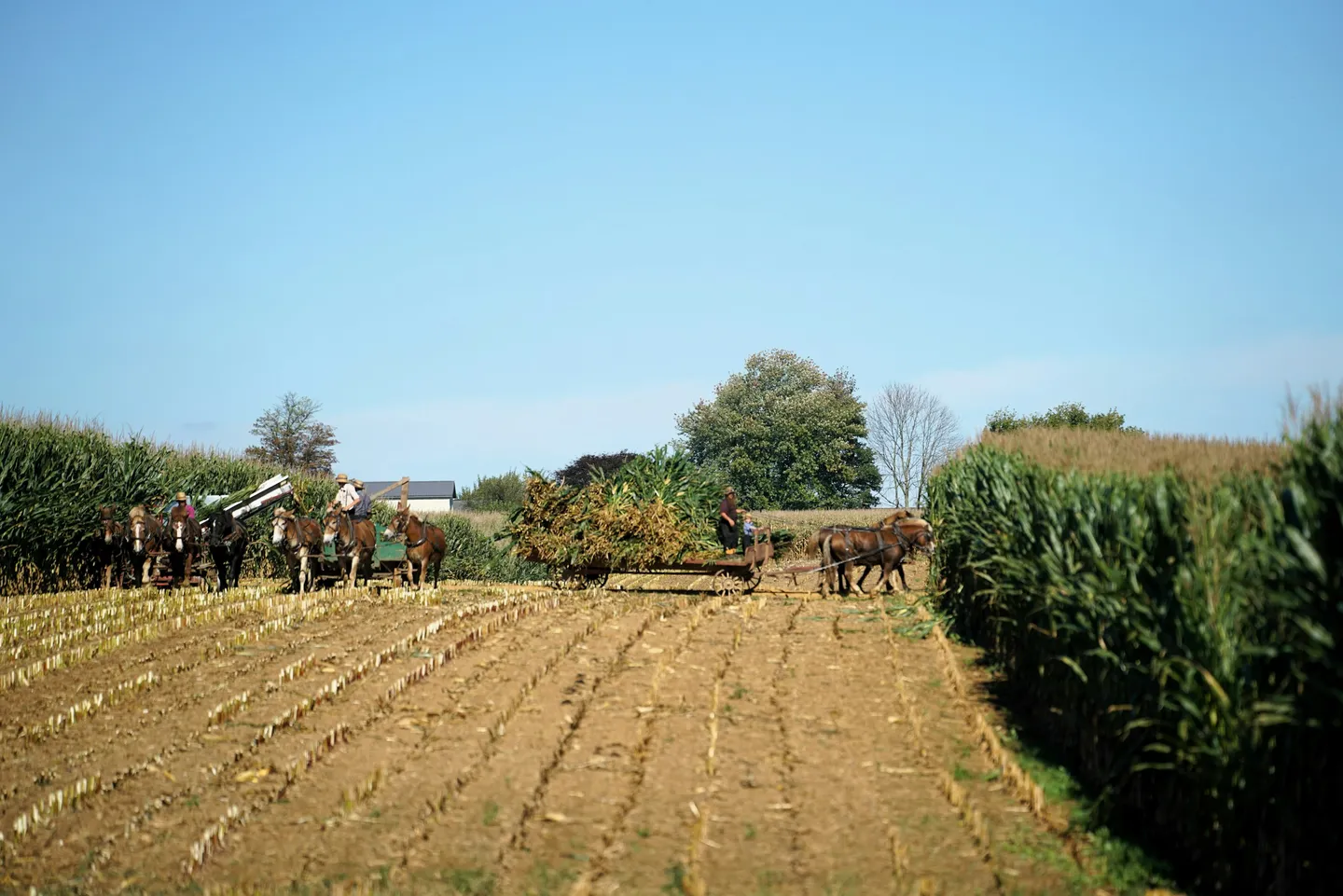
Photo by Vito Natale on Unsplash
Agricultural occupancy conditions restrict who can legally live in approximately 150,000 rural properties across the UK. These planning restrictions reduce market values by 20-40% while creating substantial complications for buyers, sellers, and current occupiers. Understanding how these conditions work, who qualifies to occupy tied properties, and how restrictions can be removed is essential for anyone dealing with rural property.
What agricultural ties are
An agricultural occupancy condition is a planning restriction attached to a rural dwelling that limits occupation to persons employed, or last employed, in agriculture, forestry, or related rural industries, together with their dependants. The typical condition states that occupation shall be limited to a person solely or mainly working, or last working, in the locality in agriculture or forestry, or a widow or widower of such person, and any resident dependants.
These conditions control occupation rather than ownership. Anyone can purchase a property with an agricultural tie, but only qualifying persons can lawfully live there. This distinction creates properties that sell at substantial discounts to buyers who may never occupy them without first removing the restriction.
Section 336(1) of the Town and Country Planning Act 1990 defines agriculture to include horticulture, fruit growing, seed growing, dairy farming, livestock breeding and keeping, grazing land, meadow land, market gardens, nursery grounds, and woodland use ancillary to farming. This definition, originating from the Agricultural Act 1947, remains the statutory foundation for determining qualifying occupations.
Agricultural ties were introduced with the Town and Country Planning Act 1947 to solve a genuine planning problem. They allowed essential rural workers to live near their workplaces in locations where general residential development would be refused. The system aimed to prevent urban sprawl, keep rural housing affordable for agricultural workers, and support viable farming communities. The approach worked reasonably well when British farming employed millions of workers and farmworker wages bore some relationship to local house prices.
Types of restrictions
Three main mechanisms create agricultural occupancy restrictions. Planning conditions represent the most common form, imposed under Section 70 of the Town and Country Planning Act 1990 and attached directly to planning permission decision notices. These can be varied or removed through Section 73 applications and become immune from enforcement after 10 years of continuous breach.
Section 106 agreements create more onerous restrictions through legal agreements between the Local Planning Authority and landowner, registered as Local Land Charges. These can tie the dwelling to a specific agricultural holding, preventing separate sale, and have no time-based immunity from enforcement. They require voluntary renegotiation or formal modification, making them significantly harder to remove.
Title deed restrictions occasionally appear in older properties, created through covenant rather than planning legislation. These require specialist property solicitor advice rather than planning consultant expertise.
Planning conditions are simpler to address and have the crucial 10-year immunity provision. Section 106 agreements are more complex, can create perpetual restrictions, and may tie the property to a specific landholding. Planning Inspectors increasingly hold that Section 106 agreements for agricultural ties are unnecessary where simple planning conditions would suffice.
The wording of conditions varies significantly, particularly for older restrictions. Conditions from the 1950s-60s were often tied to specific farms, while 1970s onwards typically include the “solely or mainly employed” formulation. Some modern conditions extend beyond agriculture to include “rural enterprise” workers, reflecting the National Planning Policy Framework expansion since 2012. Always obtain the exact wording from the original decision notice, as seemingly minor variations can dramatically affect who qualifies and removal prospects.
Legal frameworks across the UK
Planning law operates differently across the four UK nations, creating regional variations in how agricultural ties function.
England
The primary legislation is the Town and Country Planning Act 1990 as amended. Section 55 defines development, Section 70 covers grant of planning permission with conditions, Section 73 addresses applications to vary or remove conditions, Section 106 deals with planning obligations, Section 171B sets time limits for enforcement at 10 years for condition breaches, Section 187A covers breach of condition notices, and Section 336(1) provides the statutory definition of agriculture.
The National Planning Policy Framework, revised in December 2024, provides policy guidance. Paragraph 84 addresses isolated rural dwellings, permitting them where there is an essential need for a rural worker, including those taking majority control of a farm business, to live permanently at or near their place of work in the countryside. This expansion beyond traditional agriculture to “rural enterprises” and recognition of retiring farmers taking majority control represents significant policy evolution.
Major changes effective May 2024 expanded permitted development rights substantially. Class Q agricultural to residential conversion now permits up to 10 dwellings with combined floor space of 1,000 square metres, while Class R agricultural to commercial doubled floor space limits. Class Q conversions cannot have agricultural ties imposed, providing an unrestricted dwelling creation route.
Scotland
Scotland operates under the Town and Country Planning (Scotland) Act 1997, Planning etc. (Scotland) Act 2006, and Planning (Scotland) Act 2019. The National Planning Framework 4, adopted 2023, provides national policy without a direct equivalent to England’s Paragraph 84.
Key distinctions include different permitted development thresholds, less standardised agricultural occupancy terminology, and a distinct prior notification process with 8-week determination periods. Section 42 applications serve the equivalent function to England’s Section 73 for varying or removing conditions.
From June 2025, Scotland becomes the first UK jurisdiction to introduce planning appeal fees, set at 40% of the original application fee with a maximum of £71,424. This significantly increases the cost of challenging refused agricultural tie removal applications.
Wales
Wales applies the Town and Country Planning Act 1990 with devolved planning functions and distinct policy guidance through Planning Policy Wales Edition 12 and Technical Advice Note 6: Planning for Sustainable Rural Communities.
Welsh conditions typically use “rural enterprise dwelling” terminology rather than strictly agricultural language, with a fallback provision allowing occupation by those eligible for affordable housing if no qualifying agricultural workers are available. TAN 6 discourages tying dwellings to single specific enterprises and requires local planning authorities to maintain registers of rural enterprise dwellings with regular compliance monitoring.
Northern Ireland
Operating under the Planning Act (Northern Ireland) 2011 and Planning Policy Statement 21: Sustainable Development in the Countryside, Northern Ireland takes a notably more prescriptive approach.
The one dwelling per farm every 10 years rule from 2008 represents the most distinctive feature. Farms must be established and active for a minimum 6 years, demonstrate registration with a DAERA Business ID number, and new dwellings must be visually clustered with existing farm buildings. Agricultural occupancy conditions as such are less commonly used than in England and Wales, with control exercised primarily through these eligibility requirements.
Enforcement powers
Local planning authorities possess significant enforcement powers. Planning Contravention Notices require information about property use within 21 days, and failure to respond is a criminal offence. Breach of Condition Notices under Section 187A require compliance with conditions and carry no right of appeal to the Planning Inspectorate. Non-compliance is a criminal offence with fines up to £2,500 per offence, with repeated prosecutions possible.
Enforcement Notices under Section 172 require specific remedial steps with 28-day appeal periods. Non-compliance can result in fines up to £20,000 in Magistrates’ Courts or unlimited fines in Crown Courts. Injunctions provide court-enforced remedies for persistent offences, with potential imprisonment for contempt.
The crucial 10-year immunity rule under Section 171B means enforcement action for breach of planning conditions is time-limited. After 10 years of continuous breach, enforcement becomes impossible, though the condition technically remains on the property and can “revive” if a qualifying person subsequently occupies.
Important case law
Several landmark decisions fundamentally influence how agricultural ties operate.
Fawcett Properties v Buckingham County Council (1961)
This House of Lords foundation case established that agricultural occupancy conditions are valid despite ambiguity. Challenged as void for uncertainty, the condition was upheld with “dependants” interpreted as persons living in family with the defined person, dependent in whole or part for subsistence and support. A condition is only void if it has no sensible or ascertainable meaning, not merely because it’s ambiguous.
Shortt v Secretary of State for Communities and Local Government (2015)
This Court of Appeal decision dramatically broadened the interpretation of “dependants”, fundamentally changing compliance assessments. The facts involved a wife running a loss-making farm with less than one day per week of actual work, while her husband’s income supported the family. The question was whether the husband qualified as a “dependant.”
The Court ruled that “dependant” does not require financial dependency. It includes family members receiving emotional support, care, or domestic services. A spouse earning more than the agricultural worker still qualifies as a dependant. This makes compliance significantly easier for families where agricultural enterprise is marginal or loss-making.
Nicholson v Secretary of State and Maldon DC (1997)
This case established the principle that if a breach becomes immune through the 10-year period but a qualifying person subsequently occupies, the condition “revives” and a fresh breach period begins. Certificates of Lawful Use suspend but do not permanently extinguish conditions, a critical limitation with significant practical implications.
R (Embleton Parish Council) v Gaston (2013)
This case confirmed that the NPPF test for essential need does not require economic viability of the agricultural enterprise, distinguishing from the stricter former PPS7 Annex A requirements. This lowered the bar for obtaining rural worker dwelling permissions post-2012.
Buying properties with agricultural ties
Purchasing a property with an agricultural tie requires thorough due diligence and realistic assessment of compliance ability, financing options, and exit strategies.
Identifying tied properties
Watch for specific terminology in listings: Agricultural Occupancy Condition, Agricultural Tie, Ag Tie, Ag Tag, Rural Worker’s Dwelling, Occupancy Restriction, or Section 106 Agreement references. Unusually low prices for location and size, typically 20-40% below comparable properties, represent the clearest indicator.
Properties marketed through rural specialists like Strutt & Parker, Savills, Carter Jonas, or Stags often include tied properties. Estate agents may ask about your employment before accepting offers, a clear signal of occupancy restrictions.
Essential documentation
The original planning permission decision notice containing exact condition wording is essential. This determines who qualifies, not summary descriptions in marketing materials. Request the full planning history, noting that standard searches may only cover 10 years while agricultural ties often predate this by decades.
Check for Section 106 Agreements creating “double ties” that are significantly harder to address than simple conditions. Land Registry title documents and Local Land Charges searches provide additional verification.
Questions for professionals
Ask estate agents whether there is an agricultural occupancy condition and request the exact wording. Inquire how long the property has been on market and whether there have been previous removal attempts. Determine if there is also a Section 106 Agreement attached. Ask what discount has been applied to the asking price for the tie and whether the Council would accept your occupation as compliant.
Ask solicitors to obtain the full planning history beyond the last 10 years. Confirm whether the restriction is a planning condition, Section 106, or both. Determine the precise definition of qualifying occupants under this specific condition. Check whether there has been any enforcement action against this property and what options exist for removal or variation.
Ask sellers how previous owners satisfied the occupancy condition and what has been the employment history of occupants. Inquire whether anyone non-qualifying occupied the property, potentially establishing 10-year breach evidence. Ask if planning advice was sought on removal and whether they would accept an overage clause if the tie is later removed.
Financial considerations
Property value discounts range from 5-28% for compliant purchasers up to 40-50%+ in forced sales or for non-compliant purchasers betting on removal. Savills reports 25-30% typical discounts, while specialist removal consultants cite 30-40%.
Key factors affecting discount magnitude include acreage, condition wording tightness, local agricultural activity levels, property desirability, and whether sale is forced. A desirable farmhouse may see 25% discount while a basic worker’s cottage in an area with minimal agricultural demand might see 40%+.
Mortgage availability represents a major obstacle. Most high street lenders will not finance agricultural tied properties, viewing them as restricted-use assets with limited resale potential. Specialist lenders known to consider these properties include Earl Shilton Building Society offering up to 90% loan-to-value on a case-by-case basis, Buckingham Building Society, Stafford Railway Building Society, and Swansea Building Society, though all typically at higher rates.
Specialist brokers including RockHopper Mortgages, Wall2Wall Finance, Capital Fortune, and R&BS (Rural & Business Solutions) can access these markets. Lenders typically require solicitor confirmation that borrowers meet AOC conditions, often with Local Planning Authority verification. Some lenders look for “repossession clause” wording in conditions where ties are waived if property can’t be sold for set periods, making lending more viable.
Insurance is generally not problematic. Standard buildings and contents insurance remains available, with agricultural specialists like NFU Mutual and Lycetts providing comprehensive cover. The key concern is ensuring policies remain valid if occupancy status changes or is breached.
Opportunities for qualifying buyers
For genuinely qualifying buyers, agricultural tied properties offer substantial advantages. Significant price discounts enable rural living at prices otherwise unaffordable. Reduced competition from general market buyers creates negotiating advantage. Potential value uplift of 25-50%+ if tie can later be removed provides investment opportunity.
Retirement planning works well, as “last employed” in agriculture often satisfies conditions permanently. Properties with land offer opportunity to start agricultural or equestrian enterprises establishing compliance. Properties where conditions have been varied to include equestrian use broaden qualifying occupations significantly. Even marginal agricultural activity, following the Shortt case confirming that loss-making farming still qualifies, can satisfy conditions.
Who qualifies to occupy
Understanding exactly who qualifies for occupation is essential for compliance and for assessing removal prospects.
Qualifying employment
The “solely or mainly employed” test means primary employment or income must come from agricultural work, generally interpreted as more than 50% of working time. However, the Shortt case confirmed that someone working less than one day per week in agriculture can qualify, and the agricultural business need not make a profit.
Qualifying occupations include farmers, farm managers and farmworkers, forestry workers and woodland managers, horticultural workers, livestock workers, equestrian workers where conditions include equestrian use, and rural enterprise workers under NPPF expansion since 2012.
Non-qualifying activities include agronomists providing consultancy services, farm contractors unless specifically included in condition, agricultural machinery sales or maintenance, agricultural suppliers, and hobby farmers or those keeping minimal livestock.
The NPPF expansion since 2012 recognises “rural enterprises” beyond traditional agriculture, including commercial equestrian businesses, kennels and catteries at commercial scale, fish farms, and rural tourism enterprises requiring 24-hour supervision. Technical Advice Note 6 in Wales defines “rural enterprises” broadly to include land management activities, land-related tourism and leisure, and support services for rural-based activities.
Self-employment
Self-employed farmers running agricultural holdings qualify, though the enterprise must be genuine and substantive rather than merely a hobby. While business viability is assessed, it’s not determinative following the Shortt case. Loss-making agricultural activity can still constitute qualifying employment.
Evidence requirements include business accounts for minimum 3 consecutive years for established enterprises, business plans for new enterprises, HMRC self-assessment records, farm subsidy payment records, and VAT registration documentation.
Retired workers
The “last employed” provision protects workers who have retired from agricultural employment, are temporarily unemployed from agricultural work, or can no longer work due to age or illness. A retired agricultural worker who complied during their working life continues to comply in retirement. This remains qualifying occupation permanently.
Widows and widowers are explicitly protected in most condition wording. The surviving spouse of an agricultural worker can continue to occupy without finding agricultural employment themselves. This protection continues for life assuming they remain a widow or widower. Modern conditions typically include civil partners.
Dependants
Following the Shortt case, “dependant” interpretation has expanded dramatically. Dependants do not require financial dependency. They include family members receiving emotional support, care, accommodation, or domestic services. Spouses and civil partners qualify even when earning more than the agricultural worker. Children living with the agricultural worker qualify as dependants.
This means only one household member needs to be the qualifying agricultural worker, with all others as dependants. A family where the primary earner is a non-agricultural professional can comply if their spouse maintains even marginal agricultural employment.
Inheritance complications
The occupancy condition attaches to the property, not individuals. A child inheriting a property with an AOC can only live there if they either work or last worked in agriculture or forestry themselves, or are a dependant of someone who qualifies.
If property is inherited by someone who doesn’t qualify and was never a dependant, they cannot legally occupy unless they obtain qualifying employment or successfully remove the tie. This creates significant inheritance planning challenges.
Demonstrating compliance
Proper documentation and record-keeping protect against enforcement action and enable future transactions.
Required evidence
For employed workers, evidence includes employment contracts stating agricultural employment, payslips and wage records, P60 and P45 documents, employer confirmation letters, and HMRC employment records.
For self-employed workers, documentation includes business accounts ideally for 3+ years, HMRC self-assessment returns, VAT registration certificates, business bank statements, and farm subsidy payment records including BPS, SFI, and Environmental Stewardship.
For retired workers, evidence comprises former employment records, pension documentation showing agricultural pension, statutory declarations from former employers or colleagues, and historical pay records.
Supporting evidence for any occupier includes council tax records showing continuous occupation, utility bills addressed to property, electoral roll registration, photographs of agricultural activity, agricultural vehicle registration, and NFU or CLA membership records.
Record-keeping practices
Maintain all employment documentation, contracts, payslips, and P60s for minimum 10 years, corresponding to the enforcement immunity period. Keep business records and tax returns indefinitely. Proof of residence including utility bills and council tax statements should be retained continuously. Photographs documenting agricultural activity provide useful supplementary evidence.
For those considering the CLEUD route following 10-year breach, evidence must demonstrate continuous non-compliance. This includes statutory declarations from previous and current occupiers, employment records showing non-agricultural work throughout the period, witness statements from neighbours, council tax records, utility bills, and letting agent records if property was rented.
Council verification methods
Local planning authorities use various verification approaches. Reactive investigation follows complaints or reports. Property transaction triggers occur when properties are sold or mortgaged. Planning application reviews happen when related applications are submitted. Proactive monitoring in some authorities maintains registers and conducts periodic checks.
Councils have rights of entry to inspect properties and interview occupants, can make formal requests for evidence of compliance, and conduct site visits to assess agricultural operations. Wales, under TAN 6, requires more active monitoring with maintained registers and annual reporting.
Common investigation triggers include third-party complaints particularly from neighbours or parish councils, property sales revealing non-compliance, mortgage applications requiring lender verification, planning applications on the same land, death of qualifying occupier, inheritance by non-qualifying beneficiaries, letting to non-qualifying tenants, and electoral roll data showing occupiers not in agricultural employment.
Enforcement consequences
Understanding enforcement risks enables informed decision-making about compliance strategies.
The 10-year immunity period
Under Section 171B, enforcement action for breach of planning conditions is limited to 10 years from the date of breach. After 10 years of continuous breach, enforcement becomes time-barred, though the condition technically remains.
Critical requirements for immunity include that breach must be continuous for the entire 10-year period, any compliance during the period resets the clock entirely, property vacancy for extended periods may interrupt the breach, and breach must still be ongoing when CLEUD application is submitted.
Even short qualifying occupation periods restart the 10-year clock. In one Cornwall case, a 9-month unexplained vacancy was deemed sufficient to restart the period, while in another case, 12-month vacancy during refurbishment did not break continuity because the purpose was to continue the breach.
Types of enforcement action
Breach of Condition Notices require compliance with the condition and carry no right of appeal. Failure to comply is a criminal offence with fines up to £2,500 per offence, with repeated prosecutions possible for continued breach.
Enforcement Notices require specific remedial steps with minimum 28-day compliance periods. These carry appeal rights to the Planning Inspectorate. Non-compliance is a criminal offence with fines up to £20,000 in Magistrates’ Courts or unlimited fines in Crown Courts.
Injunctions are available for persistent offences, potentially resulting in imprisonment for contempt.
Certificate of Lawfulness route
A Certificate of Lawfulness of Existing Use or Development (CLEUD) confirms that existing occupation is lawful and immune from enforcement after the 10-year breach period. Requirements include 10+ years of continuous breach, evidence demonstrating breach throughout the period on the balance of probabilities, and breach still ongoing at application date.
The critical limitation is that CLEUD does not remove the agricultural occupancy condition. It only confirms lawfulness at the point of grant. If a qualifying person subsequently occupies, even temporarily, the condition reactivates and a new 10-year breach period would be required.
Best practice is that after obtaining CLEUD, immediately submit a Section 73 application to formally remove the condition. Most councils grant Section 73 removal after CLEUD, as the condition has become practically unenforceable. This prevents future reactivation risk and provides certainty for property sales and mortgages.
Day-to-day implications
The practical implications of agricultural ties extend well beyond the initial compliance question.
Renting restrictions
You cannot rent or sublet to anyone who doesn’t meet the occupancy condition. If property is inherited by non-qualifying beneficiaries, they cannot occupy or rent to non-compliant tenants. This blocks standard buy-to-let strategies and equity release options.
Some councils may accept letting to agricultural workers from other farms in the locality, but this requires careful verification of tenant compliance status. Holiday letting technically constitutes breach of conditions meant for agricultural worker occupation, though enforcement varies significantly.
Business activities
The condition restricts occupancy based on employment, not specifically activities conducted in the property. However, if primary employment shifts away from agriculture, occupancy technically falls into breach regardless of where work is performed.
Modern interpretation allows some flexibility for home working, but the “solely or mainly employed” test still applies. A property occupied by someone primarily employed in a non-agricultural capacity, even if they work from home, is in breach.
In one South Yorkshire case, occupiers’ main income derived from agricultural diversifications rather than direct agriculture. This was sufficient evidence for CLEUD and subsequent full AOC removal. The diversified activities didn’t constitute compliance, creating the breach evidence needed for removal.
Property modifications
Many AOC-related planning permissions include conditions removing Permitted Development rights. Extensions, outbuildings, and alterations may require full planning permission where unrestricted properties could proceed without application. Once an AOC is removed, full PD rights typically restore.
The May 2024 Class Q expansion allows agricultural building conversion to up to 10 homes with maximum 1,000 square metres combined. These conversions cannot have agricultural ties imposed, providing an unrestricted dwelling creation route separate from the tied main property.
Selling challenges
Marketing tied properties requires targeting the narrow pool of qualifying buyers: agricultural workers, retired agricultural workers, their dependants, or investors purchasing for future removal attempt. Properties typically take 12-24 months to sell, often longer, with frequent sales falling through when solicitors advise against purchase or mortgages prove unavailable.
Estate agents routinely ask potential buyers about employment status to assess compliance before accepting offers. Cash buyers are significantly advantaged given mortgage difficulties. Speculators may purchase at deep discounts hoping to remove the tie, accepting the restriction as the price of entry to rural property ownership.
Removing agricultural ties
Successful removal typically adds 30-40% to property value, often hundreds of thousands of pounds. Understanding the process, requirements, and success factors is essential.
When removal becomes possible
The primary route involves demonstrating no local need through a marketing exercise. The property must be marketed for a minimum 12 months, though some Local Planning Authorities require 8-18 months, at a price reflecting the AOC restriction, typically 30-40% below open market value. If no qualifying purchasers come forward, this demonstrates no agricultural need for the dwelling on the holding or in the wider local area.
The secondary route involves the 10-year breach or CLEUD route. Where property has been occupied in continuous breach for 10+ years by non-qualifying occupants, apply for Certificate of Lawful Existing Use or Development confirming immunity from enforcement. This suspends but does not remove the tie. A follow-up Section 73 application is needed for formal removal. The risk is that councils can take enforcement action at any point during the 10-year period before immunity is established.
Other grounds include that original planning permission never properly implemented, property not built in accordance with approved plans where 4-year rule applies, condition never validly applied in first place, material change of circumstances since condition imposed, or landholding too small to justify need where under 2 hectares often succeeds.
Application process
Section 73 of the Town and Country Planning Act 1990 enables applications to vary or remove conditions on existing planning permission. Success creates a new planning permission without the AOC. The original permission remains extant but is superseded.
Required documentation includes completed Section 73 application form, site location plan at 1:1250 or 1:2500 scale, planning statement justifying removal, marketing evidence pack if using marketing route, agricultural need assessment, property history and exact condition wording, independent market valuation with three RICS Red Book valuations recommended, local housing need assessment, original planning permission and decision notice, and statutory declarations from owners or occupiers for CLEUD route.
Submit to the local planning authority, available online via Planning Portal or directly to the LPA. The fee must accompany the application.
LPA assessment criteria include whether condition meets the six tests in NPPF including necessary, relevant, enforceable, precise, and reasonable; local need for agricultural worker accommodation; marketing evidence quality and duration; affordability to qualifying occupiers; compliance with local development plan policies; and whether removal would conflict with rural housing strategy.
Scotland uses Section 42 applications similar to Section 73 in England and Wales, but with reduced requirements compared to full planning applications. Appeals go to the Planning and Environmental Appeals Division or Local Review Body. Note the new appeal fees from June 2025 at 40% of application fee with maximum £71,424.
Northern Ireland applications go to local Council planning departments with similar evidence requirements. Appeals go to the Planning Appeals Commission with no fee.
Marketing requirements
Standard minimum duration is 12 months continuous marketing, though some authorities accept 6 months while others require 18 months or more.
Price must reflect AOC discount, typically 30-40% below unrestricted value. Three independent Red Book valuations before marketing establish appropriate pricing. Price must be realistic and affordable to agricultural workers, though higher-value properties are more likely to succeed in removal precisely because they’re unaffordable to workers.
Required marketing channels include local estate agents with rural property expertise, national agricultural publications such as Farmers Weekly and Farmers Guardian, online property portals, and direct notification to local farms and agricultural businesses. Marketing must specifically target qualifying occupiers.
Documentation required comprises full marketing records including all viewings and enquiries, offers received with evidence of buyers’ qualifying status or lack thereof, advertising evidence including tear sheets, website screenshots, and social media, estate agent’s market report, comparable sales evidence, and record of why any interested parties didn’t proceed.
The key Rasbridge case found insufficient marketing where the applicant didn’t offer to rent, not just sell, the property, didn’t advertise in specialist farming press, and didn’t adjust pricing for market movements. Comprehensive marketing including rental options is essential.
Current costs
Planning application fees from 1 April 2025 in England include Section 73 Householder at £86, Section 73 Non-major development at £586, Section 73 Major development at £2,000, CLEUD Existing use at same as equivalent planning application, CLEUD Failure to comply with condition at £298, and Planning Portal administration fee at £85.
Professional fees in typical ranges include planning consultant for full removal at £2,500-£8,000+, agricultural consultant needs assessment at £1,000-£3,000, RICS Red Book valuation each at £400-£800, three valuations recommended at £1,200-£2,400, solicitor fees at £1,000-£3,000, estate agent marketing for 12 months at £1,500-£5,000, and local need assessment at £500-£1,500.
Total typical costs for simple CLEUD following breach run £3,000-£6,000, standard marketing route costs £8,000-£15,000, complex case requiring appeal runs £15,000-£30,000+, and major or high-value property applications cost £20,000-£50,000+.
Several specialist consultants offer “no win, no fee” arrangements. AFA Planning claims 90%+ success rates on this basis. This can significantly reduce financial risk for applicants.
Timelines
Marketing period required runs 12 months minimum. Application validation takes 1-2 weeks. LPA determination target is 8 weeks for minor applications. LPA actual determination typically runs 3-6 months. Total for marketing plus application is 15-24 months.
CLEUD route timeline requires continuous breach period of 10 years minimum. CLEUD application determination takes 8-13 weeks. Follow-up Section 73 application runs 3-6 months. Total after breach established is 6-12 months.
Common causes of delay include incomplete marketing evidence as most common issue, requests for additional information from LPA, planning committee referral versus delegated decision, objections from parish councils or neighbours, conflicting local plan policies, and National Park or AONB locations requiring stricter scrutiny.
Success factors
Specialist consultants claim 90%+ success rates with properly prepared applications. AFA Planning reports over 400 ties removed with over 90% win rate. General planning appeals across all types see approximately 30-40% allowed, but agricultural tie appeals specifically tend higher when professionally prepared.
Factors favouring success include high property value making it unaffordable to agricultural workers, complete 12-month marketing campaign with proper documentation, no interest from qualifying purchasers, existing CLEUD granted confirming breach, small landholding under 2 hectares, no agricultural enterprise operating from land, multiple dwellings on holding surplus to requirements, location in high-value area, and professional planning consultant engaged.
Factors favouring refusal include active agricultural operation on holding, working farm requiring 24/7 supervision, livestock farming operations, inadequate marketing period or evidence, property priced incorrectly, local authority with strict agricultural dwelling policy, National Park or AONB location, evidence of local agricultural worker housing need, and condition backed by Section 106 agreement creating double tie.
Common refusal reasons include insufficient marketing evidence as most common, marketing at incorrect price, marketing period too short, local agricultural need demonstrated, conflict with local development plan policy, premature application while marketing ongoing, active agricultural operation on land, and qualifying purchaser expressed interest.
Appeals
England uses the Planning Inspectorate for appeals under Section 78 challenging refusal of Section 73 applications. Three procedures are available.
Written representations is most common for AOC removals, involving exchange of written statements, site visit by Inspector, and decision in writing. Timeline runs 26-30 weeks median.
Hearing involves informal round-table discussion led by Inspector without cross-examination. Timeline is 30-35 weeks median.
Inquiry is formal procedure with legal representation and cross-examination, rare for AOC cases. Timeline runs 29-33 weeks median.
No fee applies to lodge appeals in England. Professional representation typically costs £3,000-£15,000+. Costs awards are possible if the other party behaved unreasonably.
Wales uses PEDW (Planning and Environment Decisions Wales). Submit within 6 months of decision. Written representations are standard. No appeal fee. Target is 8 weeks for householder cases with 21-27 weeks typical otherwise. Current service notes 4-12 week delays to start dates.
Scotland uses DPEA or Local Review Body. Local Review Body handles decisions by appointed officers and is generally faster. DPEA handles delegated decisions. From June 2025, fees apply at 40% of application fee with maximum £71,424.
Northern Ireland uses Planning Appeals Commission. Submit within 4 months of decision. Written representation or hearing procedure. No appeal fee. Timeline variable from several months to over a year.
Appeal success rates show general planning appeals see approximately 30-35% allowed in England. Scotland reported 45% allowed in 2023/24. Agricultural tie appeals specifically tend higher when CLEUD has been granted establishing unenforceability and marketing evidence is complete.
Alternative approaches
Temporary relaxations and personal permissions allow conditions to be varied to allow specific named persons to occupy, expiring when they leave. Useful for inheritance situations but not permanent solutions.
Widening conditions involves varying from “agricultural” to include “rural enterprise” or equestrian uses rather than full removal. Expand geographical scope of “locality” definition or modernise outdated wording. May be more acceptable to LPAs than full removal.
CLEUD suspension means that following CLEUD grant, the tie is suspended while breach continues but can reactivate if qualifying occupier moves in. Not a permanent solution. Follow-up Section 73 is recommended.
Financial implications
Agricultural ties create significant financial impacts from purchase through ownership to sale and inheritance.
Property valuations
The 20-40% discount range is consistently cited across professional sources, but actual impact varies substantially. Acorus records discounts of 5-28% for compliant purchasers. Forced sales can push discounts to 50%+. Properties with extensive acreage see smaller discounts as the land value outweighs the dwelling restriction. Smaller holdings see larger discounts. Desirable farmhouses may see smaller discounts than basic workers’ cottages. Tighter condition wording increases discounts. Areas with more agricultural activity see smaller discounts.
A case example involved a former dairy farm with two tied dwellings valued at £610,000 for a 4-bed farmhouse and over £1,000,000 for a 6-bed farmhouse with AOCs in place. After unsuccessful 12-month marketing demonstrating no qualifying buyer interest, both ties were successfully removed with significant value uplift.
Taxation impact
Agricultural Property Relief can provide 100% or 50% relief from Inheritance Tax on agricultural value. Property must be occupied for agricultural purposes for 2 years if owner-occupied or 7 years if let. From April 2026, significant changes take effect. 100% relief is capped at the first £1 million of combined APR and BPR qualifying assets. Excess receives only 50% relief.
Properties with AOCs may qualify for APR if genuinely used for agriculture. Farmhouses must be “of a character appropriate” to the holding. HMRC scrutinises small farms under 20 acres and elderly non-active farmers. If AOC is lifted, property may lose APR eligibility unless still used agriculturally.
Business Property Relief applies to trading businesses at 100% or 50%, with the same £1 million cap from April 2026. Farming businesses can qualify, but farmhouses occupied as homes generally don’t receive BPR.
Capital Gains Tax implications arise particularly on tie removal, as the value uplift may trigger CGT liability. Agricultural land qualifying for APR can be gifted with CGT holdover relief. Rollover relief is available when selling to reinvest in agricultural property.
Council tax sees properties with AOCs pay normal amounts. There is no automatic reduction despite common misconception. If property is used partly for business, business rates may apply to commercial elements, though agricultural land itself is exempt from business rates.
Return on investment
Removal applications typically cost £8,000-£30,000 depending on complexity, while value uplift is typically 30-40% of unrestricted value, often £100,000-£300,000+ for substantial properties. The return on investment for successful removal is typically substantial.
For properties currently valued at £400,000 with a 35% AOC discount implying unrestricted value of approximately £615,000, successful removal creates value uplift of approximately £215,000 against typical costs of £10,000-£20,000. Even accounting for professional fees and marketing costs, the financial case for removal is compelling where success is achievable.
Real-world examples
Practical cases illustrate successful strategies and common pitfalls.
Surplus dwellings on estate
Ashby Grange Farm involved an 800-acre estate with a disproportionate number of dwellings relative to agricultural need. The main house was significantly larger than typical agricultural workers’ housing. Several sales had fallen through due to compliance concerns.
The successful argument demonstrated dwelling not required due to inappropriate size, unaffordability to agricultural workers, and existence of four other dwellings on the holding. The tie was removed through demonstrating both functional redundancy and market inability to attract qualifying buyers.
Diversification creating breach evidence
A South Yorkshire property had occupiers whose main income derived from agricultural diversifications rather than direct agriculture, essentially farming-adjacent activities that didn’t constitute qualifying employment. The 10+ year breach was evidenced through business records showing non-agricultural primary income.
CLEUD was granted, followed by full AOC removal in just 6 weeks. The property now has full permitted development rights and unrestricted sale value. The lesson is that agricultural diversification activities may not constitute compliance, potentially creating the breach evidence needed for the CLEUD route.
Ceased dairy operations
A former dairy farm ceased operations in 2014 due to UK milk industry pressures. The site became a successful business park with 12 units let. Both farmhouses were marketed extensively at AOC-discounted prices.
The Parish Council objected to removal, but the LPA granted removals via delegated decision. Key factors included demonstrable cessation of agricultural activity, alternative commercial use of land, comprehensive marketing evidence, and clear lack of qualifying buyer interest despite appropriate pricing.
Interrupted breach period
A Cornwall case saw a 9-month break in property occupation. The Council argued this interrupted the 10-year breach period. The Inspector agreed the break was “greater than de minimis.”
The LDC was denied and the 10-year clock restarted. The lesson is that even relatively short vacancy periods can be fatal to CLEUD applications. Continuous occupation by non-qualifying persons is essential throughout the 10-year period.
Inappropriate marketing
A Winchester property was marketed at £1.1 million including 9 acres of surrounding land. The Inspector found that including land “inflated the asking price.” The dwelling alone was valued at £850,000-£900,000 with appropriate AOC discount.
The marketing exercise was deemed insufficiently robust. The lesson is that marketing should include only the dwelling when seeking to demonstrate lack of agricultural worker demand. Land inclusion raises doubts about affordability assessments and genuine targeting of qualifying buyers.
Incomplete marketing evidence
In the Rasbridge case, the Upper Tribunal found market testing insufficiently rigorous. The applicant should have offered to rent, not just sell, the property, advertised in specialist farming press, and made adjustments reflecting general market movements.
The lesson is that marketing must be comprehensive, including rental options alongside sale marketing. The test is whether all reasonable steps were taken to find qualifying occupiers. Incomplete efforts undermine applications.
Professional resources
Navigating agricultural tie removal requires specialist expertise across planning, law, and valuation disciplines.
When to engage specialists
Planning solicitors are essential when agricultural tie is contained within a title deed rather than planning permission, facing enforcement action for breach, appealing a refused application, property subject to both occupancy condition and Section 106 Agreement, or complex inheritance or probate issues involving tied property.
Key law firms with agricultural tie expertise include Clarke Willmott, Michelmores, Lodders, RWK Goodman, Burges Salmon, and Ashfords LLP.
Planning consultants handle Section 73 applications to remove agricultural ties, managing required marketing exercises, gathering evidence of no local demand, Certificate of Lawfulness applications, pre-application discussions with local planning authorities, and planning appeals to the Planning Inspectorate.
Specialist firms include Acorus Rural Property Services as NFU-backed leading specialist with high appeal success rate, AFA Planning Consultants claiming 400+ ties removed offering no win no fee arrangements, Parsonson Planning Consultancy with 25+ years specialising in agricultural occupancy conditions, and Gateway Planning Consultants as agricultural tie removal specialists.
Agricultural consultants provide functional need assessments, financial appraisals, expert evidence for applications and appeals, and local needs assessments. They typically prepare the three formal Red Book valuations recommended before marketing.
RICS surveyors specialising in rural property provide valuations for probate, inheritance tax, sale, and mortgage purposes. Look for RICS Registered Valuer status for Red Book valuations. Key firms include Brown & Co, GSC Grays, Savills, and Strutt & Parker.
Required qualifications
Planning solicitors should have Solicitors Regulation Authority SRA registration. Agricultural Law Association membership indicates specialisation. Planning consultants should hold RTPI (Royal Town Planning Institute) membership and Chartered Town Planner designation. RICS surveyors need MRICS or FRICS designation with RICS Registered Valuer status for Red Book valuations. Agricultural valuers should have FAAV (Fellow of the Central Association of Agricultural Valuers) status.
Government resources
England provides GOV.UK Planning Practice Guidance, Planning Portal, Planning Inspectorate appeals, and Appeals Casework Portal for searching previous decisions.
Wales offers Technical Advice Note 6 for Planning for Sustainable Rural Communities, Rural Enterprise Dwellings Guidance, and Planning Policy Wales Edition 12.
Scotland provides DPEA (Directorate for Planning and Environmental Appeals) and National Planning Framework 4.
Northern Ireland offers Planning Appeals Commission and PPS 21: Sustainable Development in the Countryside.
Industry organisations
CLA (Country Land and Business Association) covers rural business and land management. NFU (National Farmers Union) provides farmer representation with NFU Legal Assistance Scheme that may provide fee support. Acorus operates as NFU-backed rural property specialists. Rural Services Network conducts rural policy research.
Future policy directions
The agricultural tie system faces increasing pressure from changing farming practices, housing shortages, and property market dynamics.
Arguments for reform
Maintaining ties ensures affordable rural housing for agricultural workers, prevents rural gentrification and second-home purchases, maintains working rural communities, and supports 24/7 agricultural operations requiring on-site presence. Advocates note they still have a place in the planning system after 70 years.
Reform or abolition arguments note that agricultural workforce has declined dramatically through mechanisation, property prices often exceed agricultural worker affordability regardless of ties, reduced buyer pool harms landowners, mortgage availability is severely limited, the approach is outdated response to modern farming practices, it contributes to rural housing undersupply, farm consolidation means fewer holdings needing resident workers, and contract workers increasingly replace permanent farm employees.
Current government direction
The Labour Government from July 2024 has committed to 1.5 million new homes over the parliament, with NPPF reforms in December 2024 reintroducing mandatory housing targets. Focus on affordable housing in rural areas includes support for Rural Exception Sites and Rural Housing Enabler projects.
The May 2024 permitted development expansion with Class Q increased to 10 dwellings and Class R doubled indicates willingness to enable rural housing creation. Notably, Class Q conversions cannot have agricultural ties imposed.
Agricultural Property Relief changes from April 2026 with 100% relief capped at £1 million may accelerate farm restructuring and increase pressure for property sales, potentially including tied dwellings.
No specific changes to agricultural tie policy have been announced, but wider planning reform consultations continue. Government is reviewing Rural Exception Sites policy and considering the role of Rural Housing Enablers in addressing rural housing need.
Near-term developments
Short-term expectations for 2025-2027 include continued case-by-case removal through existing mechanisms, increased use of CLEUD route following favourable appeal decisions, possible further PDR expansion, and local authorities potentially taking more flexible approaches given housing targets.
Medium-term considerations involve potential guidance changes making removal easier where no genuine need exists, integration with broader rural housing strategy, and possible regional variations in approach as devolved administrations diverge.
Longer-term possibilities include that academic and policy debate on whether agricultural ties remain appropriate may intensify, balance between protecting rural character and addressing housing crisis will drive policy, and modernisation of condition wording to reflect contemporary rural enterprises seems likely.
Practical approaches
Agricultural ties remain significant restrictions affecting property value, financing, occupation, and succession, but they are not immovable obstacles. The pathway forward depends entirely on individual circumstances.
For prospective buyers considering tied properties, the discount represents genuine opportunity for qualifying purchasers or those with credible removal strategies. Conduct thorough due diligence on exact condition wording, verify your compliance ability, arrange specialist finance early, and factor removal costs and timelines into your purchase decision. Properties with clear removal prospects including small landholdings, high values, and extended breach periods offer the strongest investment cases.
For current occupiers in breach, document everything continuously including employment records, utility bills, and council tax statements. Avoid any gaps in occupation that could interrupt breach periods. After 10 years, obtain CLEUD promptly, then immediately follow with Section 73 to formally remove the condition. The combination of CLEUD and Section 73 provides the most secure removal, preventing future reactivation.
For sellers of tied properties, market for minimum 12 months at appropriate discount, typically 30-40% below unrestricted value, using specialist rural agents, agricultural press, and direct notification to local farms. Offer rental as well as sale options. Keep meticulous records of all enquiries and reasons for non-purchase. This marketing evidence forms the foundation of subsequent removal applications.
For those seeking removal through marketing evidence, engage specialist planning consultants early. Their expertise in evidence gathering, application preparation, and appeal advocacy dramatically increases success rates. The “no win, no fee” arrangements offered by leading specialists reduce financial risk. Budget £8,000-£15,000 for standard cases, more for complex situations or appeals.
The agricultural tie system, introduced in 1947 for a very different rural economy, continues adapting to contemporary circumstances through case law, policy evolution, and pragmatic local authority approaches. Properties that were essential workers’ accommodation in an era of labour-intensive farming increasingly represent unnecessary restrictions on rural housing supply. This tension between the original protective purpose and modern reality creates the opportunities for removal that buyers, owners, and sellers can exploit with proper professional guidance and strategic patience.