
Electric Cars are the Future of Rural Commuting
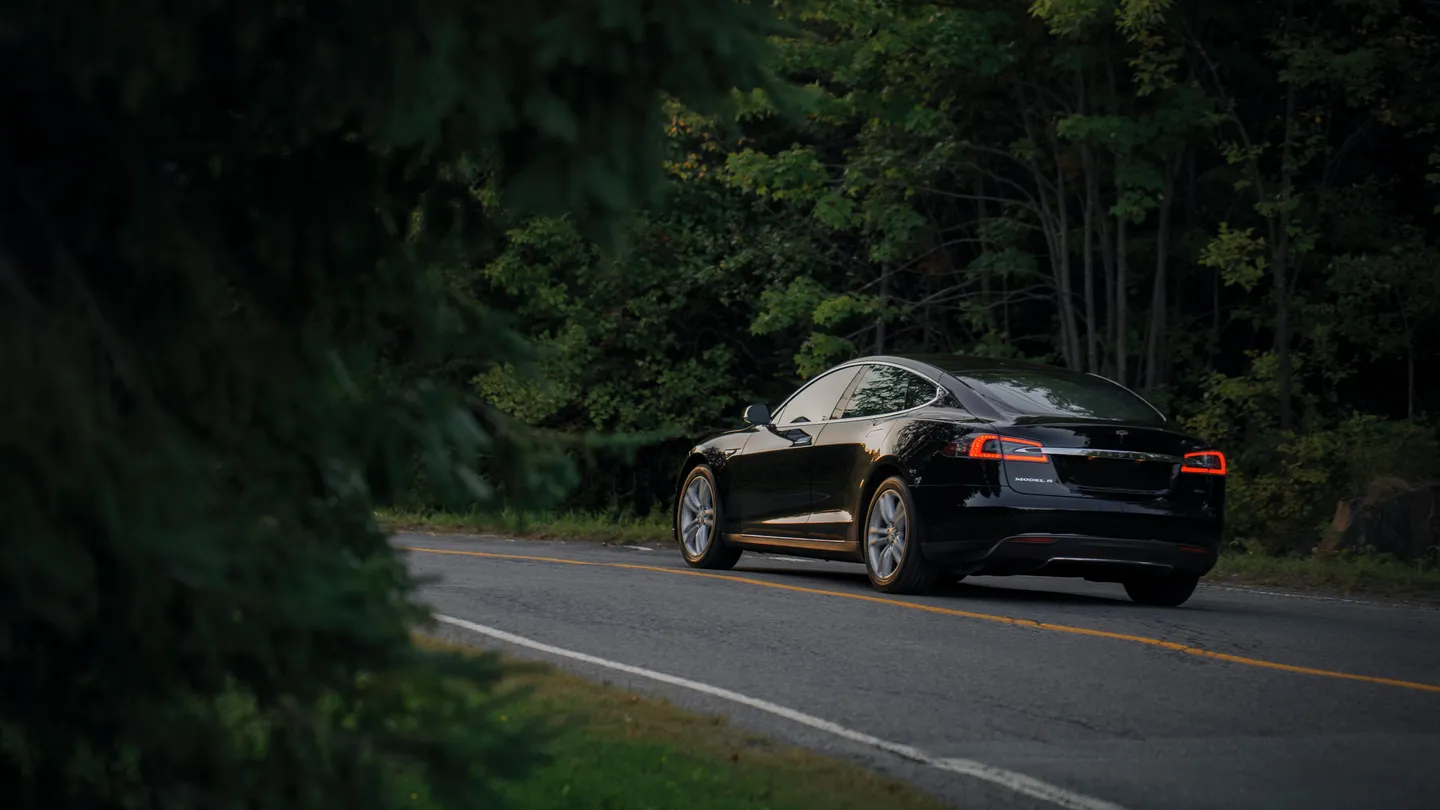
EVs are changing the landscape of commuting in rural areas, learn more about the impact of electric cars on rural commuting, the opportunities and challenges they present. In this article we explore the transition to electric cars in rural areas, addressing both the potential advantages and the challenges to be overcome.
Electric cars are growing in popularity and bringing changes to how people get around, including in rural areas. While cities have led the way in adoption, rural regions are starting to see the benefits too.
The Appeal of Electric Cars in Rural Areas
Electric vehicles are increasingly recognised for their ability to cut greenhouse gas emissions. This matters in rural areas where clean air and natural surroundings are part of daily life.
Beyond the environmental angle, the economics are hard to ignore, especially for rural commuters. Longer commutes mean higher fuel bills, and electric vehicles cost considerably less per mile to run. Rising petrol prices only widen that gap.
For example, according to Octopus Energy (UK):
Drivers on Intelligent Octopus Go can run their electric cars for an average of 2.5p per mile — nearly 90% cheaper per mile than a petrol car.
That kind of saving adds up fast for anyone covering serious mileage.
Lower running costs, fewer emissions, and improving battery technology all make electric cars a practical option for people living outside towns and cities. They fit well with the needs and priorities of rural life.
Challenges to Adoption in Rural Areas
Despite growing interest, several obstacles slow EV uptake in rural areas.
The biggest is charging infrastructure. Rural regions simply have fewer public chargers than towns and cities. For someone living in a remote area, the nearest charging station might be miles away. This limits the appeal for people without home charging options.
Range anxiety remains a real concern too. Battery technology has improved and modern EVs can cover much longer distances than their predecessors, but the worry about running out of charge on a long rural commute persists. Sparse charging infrastructure makes this worse.
Then there’s the purchase price. EVs still cost more upfront than petrol or diesel equivalents. In rural areas, where financial incentives and subsidies may be less accessible, this price difference can be a barrier.
Some potential buyers also worry about maintenance and repair access, since there are fewer EV-specialist service centres in rural locations.
These problems, from infrastructure gaps and range concerns to higher upfront costs, point to the need for targeted policies that support EV adoption in the countryside.
Working Towards Solutions
Tackling these challenges requires action on several fronts. The most obvious priority is more charging points, placed where rural drivers actually need them.
Encouraging local businesses and community centres to host chargers could expand the network quickly. Governments and private companies could also develop mobile or solar-powered charging stations for remote areas.
Public information campaigns would help too. Many people don’t realise how much EV battery range and reliability have improved in recent years.
Financial support tailored to rural needs would make a difference: grants for buying EVs, tax breaks, or help with home charger installation. These kinds of measures lower the upfront cost barrier and make EVs a realistic option for more rural households.
Through better infrastructure, clearer information, financial incentives, and local support networks, the shift to electric vehicles in rural areas becomes more achievable. These steps address the immediate barriers while building a foundation for long-term change.
Looking Ahead
Electric vehicles have a clear role in the future of rural transport. The environmental benefits, lower running costs, and advancing technology all align with what rural communities need and value. But the transition won’t happen on its own. Limited charging infrastructure, range concerns, and higher purchase prices need to be addressed directly.
EVs offer more than just an alternative to petrol and diesel. They represent a cleaner, cheaper, and more forward-looking approach to getting around in the countryside. With the right support and planning, electric vehicles can move from being a possible option to the default choice for rural commuting.