
EU Leaders Emphasize the Crucial Role of Rural Areas for Europe's Future
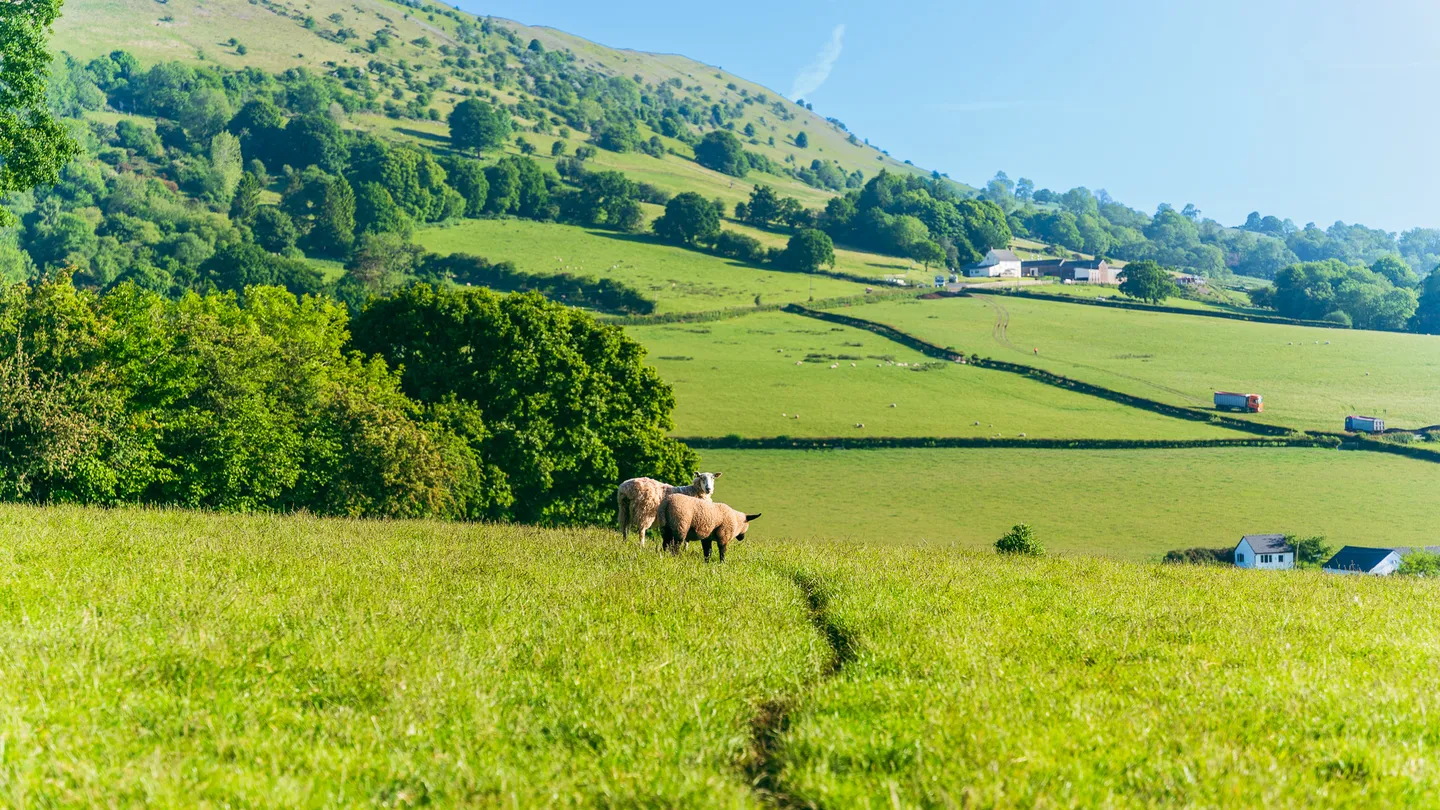
The Logroño Declaration, adopted at a European Committee of the Regions' Bureau meeting, emphasizes the critical need for integrating rural areas into all EU policies for sustainable development. This declaration highlights the importance of rural proofing, climate crisis adaptation, and targeted support to ensure the vitality and resilience of rural communities in the European Union.
European local and regional leaders have called for rural areas to be fully included in EU policy-making for long-term sustainable growth. The result was the Logroño Declaration, adopted at the European Committee of the Regions’ Bureau meeting in Logroño, Spain.
The declaration calls for rural proofing to be built into all EU policies. The aim is to make rural areas more attractive places to live while protecting quality of life for their populations. Leaders also stressed the need for focused support to help rural areas respond to the climate crisis and transition to green energy.
Rural regions across the EU face a set of connected problems: shrinking populations, fewer workers, and a shortage of basic services. The push towards green and digital transitions adds further pressure. The Logroño Declaration is a direct call for EU institutions to back rural areas with practical support, recognising how much the broader European project depends on them.
Vasco Alves Cordeiro, President of the European Committee of the Regions, pointed out that rural regions hold one-fourth of Europe’s population and cover about 75% of EU territory. He flagged the risks posed by depopulation and climate change.
With the Logroño Declaration, the European Committee of the Regions sent a clear message: to achieve a sustainable future, the European Union needs solid rural areas with the full participation of rural communities in the European project.
— Vasco Alves Cordeiro, President of the European Committee of the Regions
Cordeiro stressed the need for policies tailored to help rural areas through the green and digital transitions, to ensure access to quality jobs and basic services, and to make these areas more appealing to young people.
The Committee of the Regions’ Annual Report projects that 30 million people will leave Europe’s rural areas by 2033. This exodus threatens the EU’s goals around sustainable development, economic growth, and climate neutrality.
The declaration also focuses on keeping young people in rural areas. It urges that the specific needs of these communities be considered in all investments connected to the Common Agricultural Policy, cohesion funds, and national recovery and resilience plans. The declaration calls for a minimum allocation of European funds for rural projects.
Beyond economics, the climate crisis and biodiversity loss hit the agri-food sector hard. The declaration calls for better climate change adaptation, farmer support, and disaster risk management, all in close collaboration with local authorities.
Alfredo González, Secretary of State for Territorial Policy, praised Spain’s decentralised system and the cooperation between institutions that proved its worth during the pandemic and other crises. He acknowledged the role of regions and local authorities in managing national and EU policies effectively.
Regions and local authorities are essential players in improving the day-to-day management of significant national and EU policies, and the European Committee of the Regions is our partner in promoting these ideas in all corners of the European Union.
— Alfredo González, Secretary of State for Territorial Policy
Gonzalo Capellán, President of the Government of La Rioja, argued for including regional and local voices in Brussels’ policy decisions. He stressed the importance of working with local actors and building a modern, sustainable, accessible model for municipalities that draws on cultural and social heritage for economic development.
The Logroño Declaration is a step toward recognising and addressing the needs of rural areas in the EU, and their role in Europe’s future.