
Installing Starlink Internet: Complete Rural Setup Guide for 2025
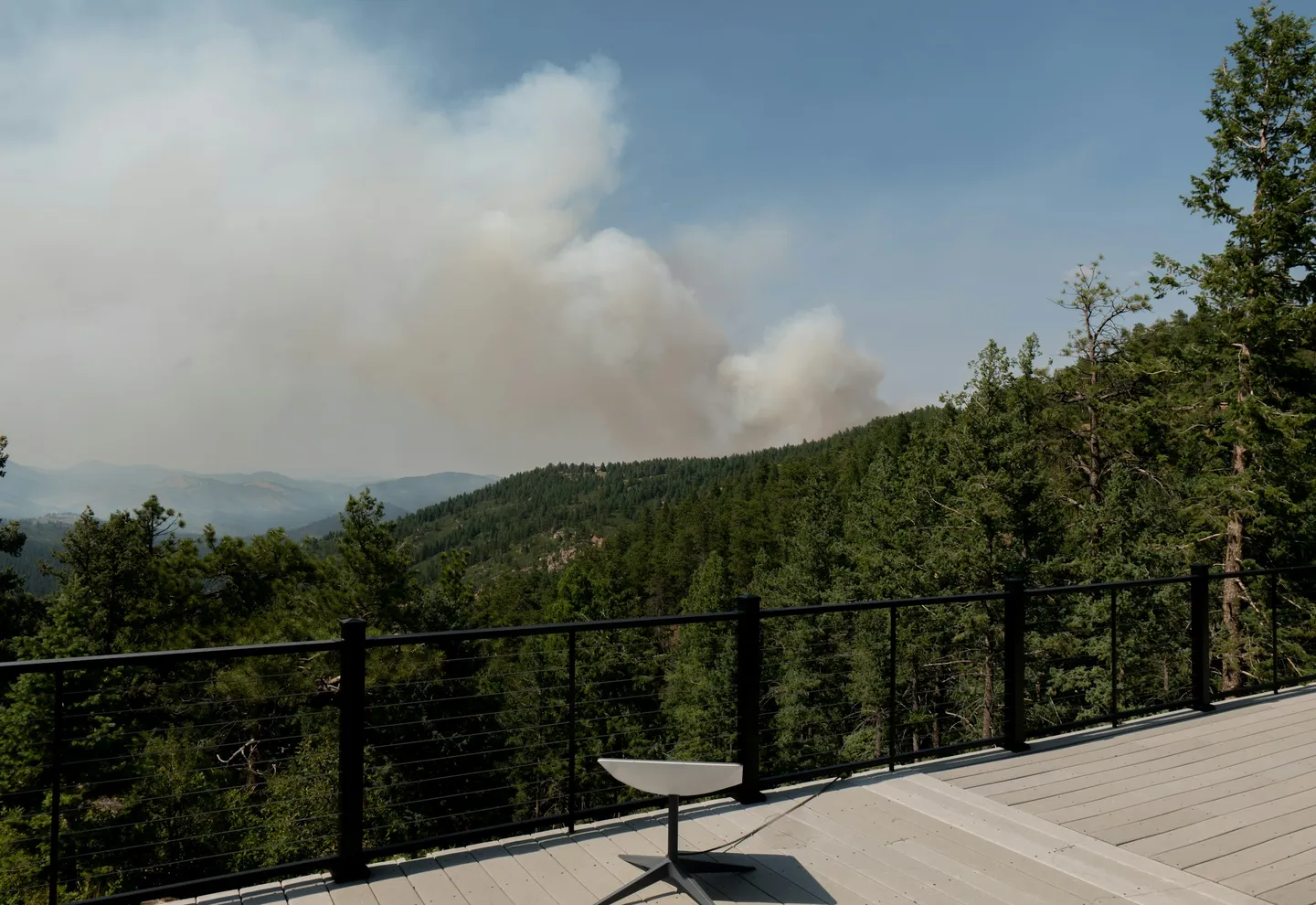
Photo by Hunter Masters on Unsplash
Discover how to set up Starlink Internet in rural areas with our comprehensive guide for 2025. Learn about equipment, installation, and tips for optimal performance.
Starlink now delivers 100-150 Mbps speeds to rural properties with minimal infrastructure requirements. For farms, ranches, and remote properties that struggled with slow DSL or expensive traditional satellite service, this changes the equation entirely. Speeds rival urban cable connections, and the service reaches places that fixed-line providers have ignored for decades.
Recent studies show that 85% of Starlink customers live in rural areas, where for many users it’s their first real high-speed internet option. That connectivity enables remote work, powers precision agriculture systems, and brings modern digital services to communities that have waited years for a viable alternative. But 2025 brings notable service plan changes and new equipment options that rural users need to understand before investing.
Understanding the 2025 Equipment Landscape
The current Starlink hardware lineup includes three options, each suited to different rural needs. The Standard Kit at $349 works well for most rural households. This third-generation design has a compact 15.07” x 23.4” dish with no moving parts, improving reliability while still delivering speeds up to 220 Mbps. The integrated Wi-Fi 6 router covers the whole home, and the dish operates from -22°F to 122°F with automatic snow melting that draws 75-100 watts during normal use.
For users managing multiple rural properties or needing portable internet, the Starlink Mini at $599 ($449 for existing customers) adds real flexibility. It weighs just 2.56 pounds, integrates the router directly into the dish, and includes a built-in kickstand for quick setup. Real-world testing shows 80-190 Mbps while consuming only 25-40 watts, making it practical for off-grid cabins, RVs, or temporary work sites where power matters.
At the top end, Starlink’s Performance Kit at $1,999 targets operations that need maximum reliability. The aluminum-enclosed, ruggedized design withstands 170+ mph winds and works from -40°F to 140°F. Current users see 400+ Mbps speeds, with gigabit speeds expected via software update in 2026. The snow melting system handles 5.2 inches of accumulation per hour, and the unit carries a 10-year saltwater environment qualification, suiting coastal farms or harsh-climate properties.
Navigating the 2025 Service Changes
The service structure changed substantially in 2025. Standard Residential service stays at $120 monthly with truly unlimited data, no caps, no throttling. This plan works for the vast majority of rural households, supporting multiple video streams, remote work, and everyday digital needs without restriction.
A new Lite Residential option at $80 monthly provides basic connectivity, though service gets deprioritized during peak hours. Fine for email, web browsing, and light streaming, but potentially frustrating for video calls or real-time applications during busy evenings.
The biggest changes hit mobile and roaming users. Starting April 2025, Starlink completely restructured mobile plans, introducing Priority tiers from $140 to $5,000 monthly based on data allocation. For rural users who sometimes move their dish between properties, costs could jump 200-500%. The new structure clearly favours stationary installations, making the residential vs. mobile plan decision more consequential than before.
Mastering Rural Installation: From Site Survey to First Connection
Good rural Starlink installation starts well before unboxing. The Starlink smartphone app is your main planning tool, offering obstruction checking that’s especially useful for rural setups. The system needs roughly 100-110 degrees of unobstructed sky view, with the dish mostly facing north in the Northern Hemisphere.
Rural properties throw up challenges that urban installations rarely face. That mature oak providing afternoon shade might block your satellite signal entirely. A barn that looks like an ideal mounting spot could have metal siding that causes interference. Even minor obstructions like power lines or tree branches can degrade performance noticeably. The app’s obstruction checker uses your phone’s camera to map the sky and flag problems before you commit to a location.
Physical installation is straightforward once you’ve found the right spot. The dish connects to the included Wi-Fi router via a proprietary 75-foot cable carrying both data and power. After plugging into a grounded outlet, the system takes 5-15 minutes for initial satellite acquisition. The dish aligns itself automatically. Network setup happens through the Starlink app, where you’ll set network names and passwords while the system downloads initial firmware updates.
Permanent mounting matters for rural installations. Ground-level placement rarely provides enough sky access. Official Starlink pole mounts need solid foundations, typically 6-foot galvanized steel poles set in concrete 2 feet deep and 1.5 feet in diameter. This isn’t excessive; rural installations face wind, ice, and potential livestock interference that urban rooftop mounts never encounter. Many successful rural installations raise dishes 10-20 feet or higher to clear tree lines, requiring guy wires and professional installation for safety.
Powering Starlink: Planning for Rural Properties
Power consumption matters more for rural properties than urban ones. Standard Starlink equipment draws 75-100 watts during normal operation, similar to a modern television. Snow melting can spike consumption to 150 watts. Daily usage ranges from 440-600 watt-hours for 8 hours of operation, but 24/7 connectivity pushes this to 1.8-2.4 kilowatt-hours daily.
For properties with unreliable grid power (a common rural reality), backup becomes necessary. A complete off-grid solar system needs 200-400 watts of panels paired with 200-300 amp-hour lithium battery storage. A typical working setup uses three 100-watt monocrystalline panels feeding a 200Ah LiFePO4 battery bank through a 60-amp MPPT charge controller, with a 1500-watt pure sine wave inverter. Total costs run $2,000-3,500 depending on component quality.
Battery-only backup offers a simpler option for occasional outages. A 100Ah lithium battery supports roughly 8 hours of Starlink operation; 200Ah systems extend that to 16 hours, enough to get through most rural power interruptions. Portable generators rated 1000-2000 watts also work, though fuel availability during extended outages can be a problem in remote areas. Some users run Starlink directly from vehicle power using 12V DC adapters in emergencies, though that’s a temporary fix.
Strategic Mounting: Overcoming Rural Obstacles
Height often makes or breaks rural Starlink installations. Unlike urban deployments where rooftops provide natural elevation, rural properties frequently contend with extensive tree cover. Professional installations regularly use custom poles of 15-25 feet to get clear sky access. Proper installations require engineered solutions with guy wires for stability and attention to wind loading.
Existing structures offer good mounting opportunities. Barn installations often provide ideal placement by using height while keeping the dish accessible for maintenance. Gable-end mounting puts dishes above surrounding vegetation with solid structural support. Metal agricultural buildings need proper grounding and electrical isolation to avoid dangerous conditions or interference.
Penetrating vs. non-penetrating roof mounts depend on the building and owner preference. Penetrating mounts offer maximum stability but need proper sealing to prevent leaks, especially on agricultural buildings storing equipment or feed. Non-penetrating weighted systems suit flat commercial roofs but may not handle the wind common in exposed rural locations. Professional installation adds $799-1,500 but often proves worthwhile for complicated mounting scenarios or working at height.
Real-World Rural Performance
Field data from thousands of rural installations shows consistent download speeds of 100-150 Mbps with upload of 10-20 Mbps. These are real-world averages, not theoretical peaks. Latency averages 25-60 milliseconds, low enough for video conferencing, online gaming, and other real-time applications that traditional satellite’s 600-800 millisecond delays made impossible.
Performance does vary, especially during peak hours (7 AM to 11 PM) when congestion can temporarily slow things down. Rural users generally report more consistent performance than urban customers, likely because user density is lower in rural cells. Weather has less impact than with traditional satellite, though heavy rain or wet snow can briefly reduce signal strength. Even severe storms rarely cause complete outages, with service usually remaining usable under challenging conditions.
Customer satisfaction tells a clear story. Recent surveys show 87% of rural users say Starlink meets or exceeds their internet needs, with Net Promoter Scores above +47 in most markets. Notably, 11% of Starlink customers never had home internet before. These aren’t people upgrading from slow connections; they’re getting real internet access for the first time. That opens up everything from children completing online homework to farmers using precision agriculture systems.
Comparing Rural Internet Alternatives
Understanding how Starlink stacks up against alternatives helps rural users make better choices. T-Mobile 5G Home Internet at $50 monthly is the strongest competitor where available, delivering 87-415 Mbps depending on tower proximity. Coverage remains the limiting factor: roughly 75% of Eastern and Midwest rural areas have service, but Western states have minimal penetration. The 1.2TB monthly priority data allowance suits most households, though heavy users may hit slowdowns.
Traditional satellite providers fall short on performance. HughesNet maxes out at 25 Mbps download with just 3 Mbps upload, while imposing strict data caps of 15-100GB monthly. Exceeding those limits doesn’t cut service but reduces speeds to near-unusable levels. Viasat offers better speeds in some areas (up to 150 Mbps) but has similar data restrictions and latency that makes video calls difficult and gaming impossible.
DSL services remain available through existing phone lines in many rural areas, delivering 6-115 Mbps depending on distance from telephone company equipment. Pricing typically runs $55-65 monthly for truly unlimited data, making it cost-competitive with Starlink. But speed drops off with distance, and farms more than 2-3 miles from town often see speeds below 25 Mbps, which increasingly falls short for modern needs like 4K streaming or remote work.
Weatherproofing and Protection
Starlink equipment is designed for outdoor installation with IP67 weatherproofing, so additional protective enclosures aren’t needed and might actually trap heat and cause problems. The system works from -22°F to 122°F, with the Performance Kit extending to -40°F to 140°F. Built-in heating prevents snow buildup under normal conditions, though extreme wet snow events may require manual clearing.
Lightning protection deserves serious attention in rural installations where dishes often sit at the highest point on a property. Following National Electrical Code grounding requirements provides basic protection, but exposed rural locations benefit from full lightning protection systems including air terminals and grounding networks. The $500-1,500 investment is small compared to replacing destroyed equipment or dealing with fire damage from a lightning strike.
Seasonal maintenance keeps things running smoothly. Check mounting hardware for winter damage in spring and clear any debris from dishes. Summer brings vegetation growth that can create new obstructions, so trim regularly or consider relocating the dish. In fall, verify heating elements work before winter arrives and make sure you can safely access the dish for potential winter maintenance. The Starlink app’s diagnostic tools help spot developing problems before they affect service, with obstruction maps showing even minor signal issues.
Troubleshooting Rural Installation Problems
Rural Starlink problems usually trace to installation issues rather than equipment failures. “Disconnected” errors typically mean cable problems, with connections loosened by wind or chewed by rodents being common failure points. Start by power cycling all components, then check connections at both dish and router ends. Cables longer than 75 feet need active extension solutions, as passive extensions degrade signal below usable levels.
Performance issues often come back to partial obstructions missed during initial setup. Trees grow, new buildings go up, and even large farm equipment parked nearby can affect signal quality. The Starlink app’s debug data shows detailed obstruction mapping that helps identify the source. Running speed tests at different times reveals whether slowdowns come from network congestion or physical obstructions.
Power problems are common in rural installations where electrical service may have voltage fluctuations, frequent outages, or poor grounding. Starlink is surprisingly sensitive to power quality, with brownouts causing extended reboot cycles. A UPS rated for at least 500VA provides immediate backup while conditioning incoming power, addressing multiple problems at once. For extended outages, automatic transfer switches integrate generator backup seamlessly.
Integration with Modern Rural Operations
Today’s agricultural operations depend increasingly on internet connectivity. Precision agriculture systems need reliable internet for GPS guidance, yield mapping, and variable rate applications. Livestock monitoring systems stream video from calving barns and track animal health through connected sensors. Weather stations upload real-time data for frost warnings and spray decisions. Starlink makes these technologies practical on properties where traditional internet couldn’t support a simple video call.
Distributing connectivity across a large rural property takes some planning. Wireless bridges can connect buildings up to one kilometer apart, avoiding the need to trench cables across fields. Point-to-point systems using 5GHz or 60GHz frequencies handle weather well with low latency, while mesh systems offer simpler setup for shorter distances. Buried conduit remains the best option for permanent installations, with outdoor-rated Category 6 cable supporting gigabit speeds to outbuildings when properly installed.
Security matters when internet connectivity controls agricultural assets. Separate network segments should isolate operational technology from general internet access, preventing a compromised laptop from reaching irrigation controllers or grain dryer systems. Professional network design adds $1,000-3,000 but provides peace of mind and regulatory compliance for operations that store customer data or process payments.
2025 Features and Updates
2025 brings several notable improvements beyond simple speed gains. Direct to Cell service launching in July provides satellite-to-smartphone connectivity for $10 monthly across all carriers. This eliminates cellular dead zones on rural properties, starting with text messaging and adding voice and data through the year. It works with existing phones, no special hardware needed, finally addressing the decades-old rural cellular coverage problem.
The Performance Kit’s design supports gigabit speeds by 2026 through software updates alone, protecting today’s investment for future needs. Advanced power management includes native DC support from 12V to 56V, enabling direct battery integration and eliminating inverter losses. For rural businesses needing guaranteed uptime, new Service Level Agreements promise 99.9% network availability with financial backing, a first for satellite internet.
Network expansion continues at a rapid pace. Over 6,750 satellites now orbit Earth, with launches adding capacity weekly. This growth translates directly into better user experience: recent updates show 30% lower latency during peak hours and more consistent speeds as the network routes traffic through less congested satellites. Rural users benefit the most from increased satellite density, since lower population density means new capacity goes further.
Making the Rural Internet Decision
Choosing Starlink in 2025 means balancing current needs against future requirements while accounting for the changing service plans. For most rural households, the Standard Kit at $349 paired with $120 monthly Residential service offers the best balance of performance, reliability, and value. The truly unlimited data matters especially for rural users who often lack alternative high-speed options.
Properties with difficult installations or extreme weather should consider the Performance Kit despite its premium price. The $1,650 price difference pays for itself through reduced maintenance, better reliability, and future-ready capabilities. Agricultural operations, rural businesses, and properties in harsh climates find the investment particularly worthwhile when internet connectivity directly affects productivity.
Timing matters given the April 2025 service changes. Current mobile plans offer better value than the incoming Priority tiers for users needing occasional portability. Residential plans remain stable, making immediate installation attractive for fixed locations. The rapid pace of network improvements means today’s good service gets better over time without equipment changes, which is a solid argument for moving forward rather than waiting.
Summary
Starlink delivers urban-quality connectivity to rural properties that traditional providers ignored for decades. With real-world speeds of 100-150 Mbps, latency suitable for real-time applications, and truly unlimited data, the service lets rural residents fully participate in the digital economy. Equipment costs of $349-1,999 and monthly fees starting at $120 are real investments, but the impact on rural quality of life, business opportunities, and property values justifies the expense for most users.
Success depends on careful site selection, power planning, and installation quality. Rural properties face real challenges from terrain, weather, and infrastructure limitations that need thoughtful solutions. Thousands of successful installations prove these challenges are solvable with proper planning. As Starlink adds capabilities through software updates and features like Direct to Cell, early adopters gain access to improvements without replacing equipment. For properties with reasonable sky access and basic electrical service, Starlink is a practical gateway to connectivity that was previously out of reach.