IoT Sensors for Crop Monitoring: Real-Time Agricultural Data
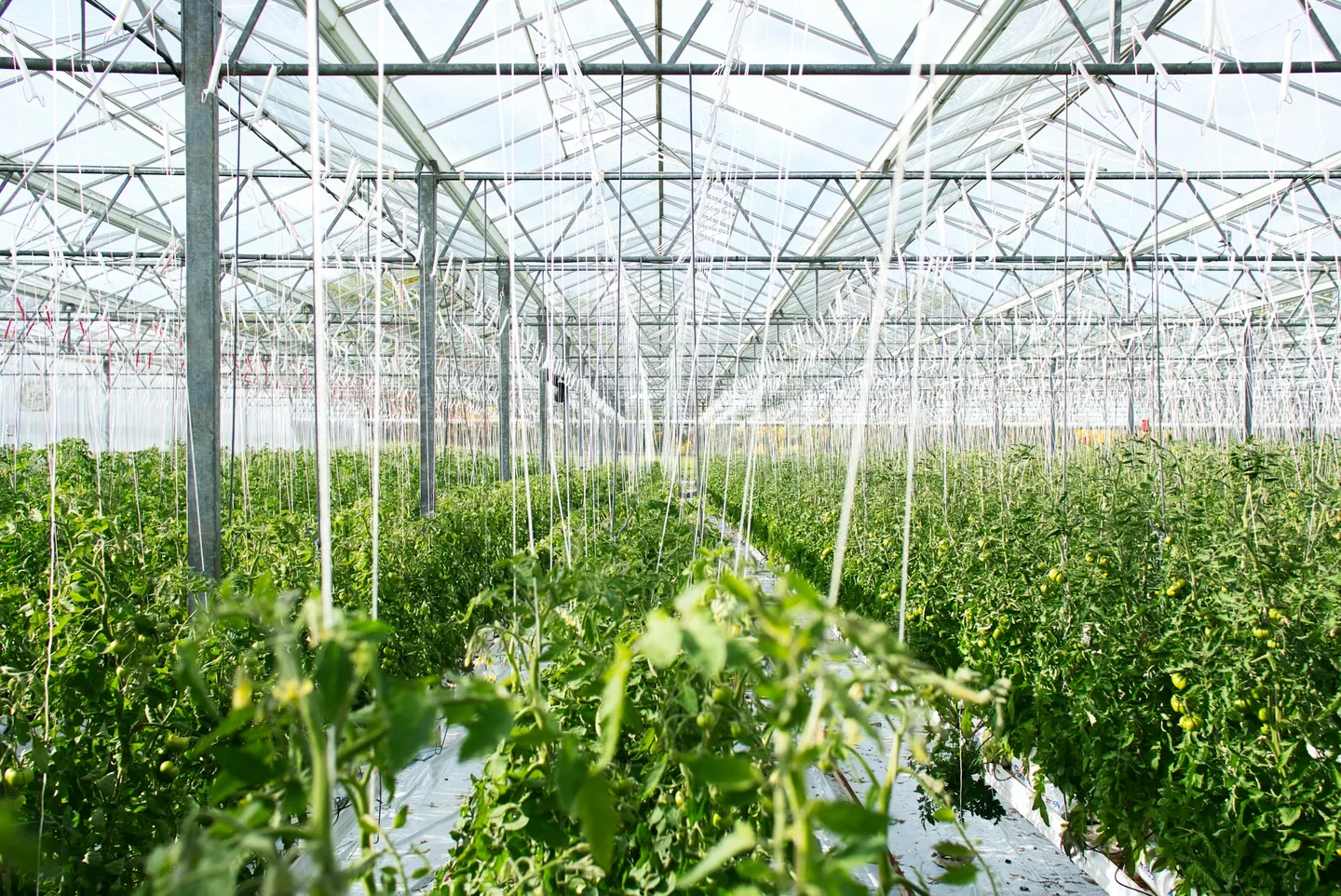
Photo by Erwan Hesry on Unsplash
Picture a farmer in Iowa checking soil moisture levels from her kitchen table while morning coffee brews, or an orchardist in Washington receiving frost alerts at 2 AM that automatically trigger wind machines. This isn’t science fiction—it’s the reality of modern agriculture transformed by IoT sensors. The agricultural IoT market has surged to $28.65 billion in 2024, fundamentally changing how rural communities approach farming.
The numbers tell a compelling story. Farms implementing IoT sensor networks report water savings between 20-50% and yield increases of 10-20%, with most operations achieving full payback within 2-3 years. What makes this technology particularly exciting for rural communities is its scalability—whether you’re managing a 10-acre market garden or a 10,000-acre grain operation, there’s a solution that fits both your needs and budget.
Perhaps most importantly, the barrier to entry continues falling. Entry-level systems now start around $200 per sensor, and government programs like USDA’s Environmental Quality Incentives Program (EQIP) cover up to 75% of implementation costs. This financial support has transformed precision agriculture from a luxury for large operations into an accessible tool for family farms.
Understanding the Technology: Digital Farmhands That Never Sleep
Modern agricultural IoT sensors function as tireless observers, constantly monitoring conditions that affect crop health and productivity. At their core, soil moisture sensors use electrical conductivity or capacitance to measure water content, essentially performing the finger-in-soil test thousands of times daily at multiple depths. When moisture drops below optimal levels, these digital sentinels can trigger irrigation systems automatically or alert farmers through smartphone notifications.
The sensor ecosystem extends well beyond moisture monitoring. Weather stations track hyperlocal conditions, capturing data that regional forecasts miss—crucial for timing spray applications or protecting against frost. pH sensors continuously monitor soil acidity, detecting changes that affect nutrient availability before plants show stress symptoms. Temperature sensors at various depths help optimize planting schedules and predict germination rates, while advanced plant health sensors use spectral analysis to detect stress before it becomes visible to the human eye.
Communication technology represents the invisible backbone making this monitoring practical for rural areas. LoRaWAN (Long Range Wide Area Network) has emerged as agriculture’s preferred protocol, transmitting data up to 10 miles while running on batteries for 5-10 years. In areas with robust cellular coverage, 4G and emerging 5G sensors provide real-time updates with higher bandwidth for applications like video monitoring. For the most remote locations, satellite connectivity ensures no field gets left behind in the digital revolution.
The magic happens when raw data transforms into actionable intelligence. Cloud-based platforms process thousands of measurements, applying machine learning algorithms to identify patterns and generate recommendations. A farmer no longer needs to interpret complex graphs—modern interfaces present clear guidance: “Irrigate Field 3 tomorrow morning” or “Optimal spray conditions in 4 hours.”
Starting Simple, Growing Smart
Small-scale operations under 50 acres are discovering that IoT technology doesn’t require massive investments or technical expertise. The Farm21 FS21 sensor, priced between €199-€299, exemplifies this accessibility—monitoring soil moisture at three depths, air temperature, humidity, and light intensity with installation as simple as pushing a stake into the ground.
Consider Sarah Mitchell’s 30-acre berry farm in Michigan. Her initial $2,000 investment in five soil sensors and a basic weather station seemed daunting until the first season’s results arrived: 30% reduction in water usage, 15% increase in marketable fruit, and labor savings from eliminated manual moisture checking. “I used to spend two hours every morning walking fields with a soil probe,” she explains. “Now I check my phone app during breakfast and know exactly where to focus my attention.”
Davis Instruments offers weather stations ranging from $500-$1,500 that complement soil monitoring perfectly. These stations track rainfall, temperature, humidity, wind speed, and solar radiation—data that, when combined with soil sensors, creates a comprehensive picture of growing conditions. Smart timing of pesticide applications based on weather data can reduce chemical use by 25-40% while improving effectiveness.
The financial equation becomes even more attractive when leveraging government support. Beginning farmers and historically underserved producers often qualify for higher EQIP reimbursement rates, sometimes covering 90% of costs. One young farmer in Vermont combined federal and state programs to implement a $15,000 monitoring system for just $1,500 out-of-pocket, achieving positive ROI in the first growing season through reduced inputs and improved crop quality.
Medium-Scale Operations in Agriculture
Farms spanning 50-500 acres hit the sweet spot for comprehensive IoT implementation, where automation delivers substantial labor savings alongside production improvements. The Davis EnviroMonitor system represents this middle ground perfectly—creating mesh networks where each $595 node covers up to 10,000 feet, with sensors and weather stations communicating seamlessly across entire operations.
Tom Harrison’s 300-acre corn and soybean operation in Illinois demonstrates the transformative potential. After installing 12 monitoring points across fields he’d farmed for two decades, the data revealed surprising variations in soil moisture he’d never suspected. Some areas retained water far longer than expected, while others dried rapidly despite appearing similar on the surface. By implementing variable-rate irrigation based on sensor data, Harrison reduced water usage by 35% while increasing yields 12%. “The $18,000 I saved in pumping costs the first year nearly covered my entire investment,” he notes.
CropX offers another compelling solution with spiral-design sensors installing in under five minutes. Their AI-powered platform goes beyond data collection, providing specific irrigation prescriptions based on soil type, crop growth stage, and weather forecasts. At $600 per sensor plus $275 annual subscriptions, the investment pays dividends through precision that human judgment alone can’t achieve. A California almond grower using CropX documented 25% water savings worth $40,000 annually, plus 15% yield improvements from optimized irrigation timing.
Integration capabilities distinguish professional systems from basic monitoring tools. These platforms seamlessly connect with John Deere Operations Center, Climate FieldView, and other farm management software, eliminating the hassle of managing multiple systems. Prescription maps generated from sensor data guide variable-rate equipment, ensuring every acre receives precisely calibrated inputs based on actual conditions rather than averages.
Enterprise Agriculture: Precision at Scale
Large commercial operations exceeding 500 acres require sophisticated systems matching their complex management needs. Sentek Technologies’ EnviroSCAN probes, ranging from $2,000-$5,000 per installation, monitor soil conditions to depths of 30 meters with research-grade precision. While the investment seems substantial, the returns at scale prove compelling.
Consider Sunrise Potato Company’s 2,000-acre operation in Idaho. Their $125,000 investment in comprehensive monitoring—including Sentek probes, METER Group weather stations, and automated irrigation controls—initially raised eyebrows among board members. However, the system revealed they’d been over-irrigating sandy soils by 40% while under-watering clay zones, creating both waste and yield losses. Correcting these patterns increased marketable yield by 18% while reducing annual water usage by 6 million gallons. At current water costs and potato prices, the system paid for itself in 18 months.
Washington Fruit’s 12,000-acre operation showcases enterprise-scale integration. Their IoT network serves multiple purposes beyond production optimization. Every spray application gets logged automatically with weather conditions documented for regulatory compliance. Harvest data flows directly from field sensors to packing facilities, enabling real-time quality tracking. This automation eliminated hundreds of hours of manual recordkeeping while ensuring compliance with international export requirements—critical for accessing premium markets.
The economics become increasingly favorable at scale. Large operations typically achieve payback within 2-3 years through combined savings in water, chemicals, labor, and yield improvements. One multinational farming corporation documented 20% reduction in input costs across 50,000 acres after full IoT implementation, translating to $3.5 million in annual savings. These results explain why institutional investors increasingly view precision agriculture technology as essential infrastructure rather than optional upgrades.
Real-World Success Stories Across Diverse Operations
The versatility of IoT sensors shines through diverse implementation stories. Algoma Orchards in Canada revolutionized pest management using the Semios platform, which combines camera-equipped insect traps with automated pheromone dispensers. By monitoring pest populations in real-time and releasing pheromones only when needed, they eliminated pesticide use entirely on test blocks while maintaining complete pest control. The system costs just $150 per acre annually, including all hardware, software, and support—a fraction of traditional chemical programs.
Greenhouse operations demonstrate perhaps the most dramatic transformations possible with IoT monitoring. Netherlands growers using comprehensive environmental control achieve yields 10 times higher than field production while using 90% less water. Sensors tracking temperature, humidity, CO2 levels, and light intensity enable precise climate control that extends growing seasons and maximizes photosynthesis. Even modest greenhouse operations report 30-50% production increases after installing basic monitoring systems costing under $5,000.
Row crop farmers discover different but equally valuable benefits. Precision fertilizer application guided by soil sensors reduces nitrogen use by 15-20% while maintaining or improving yields. Mike Peterson mapped his 800-acre Iowa farm using grid soil sampling integrated with IoT sensors, discovering he’d been over-applying nitrogen by $30,000 annually in areas with naturally high organic matter. The sensor network paid for itself in the first season through fertilizer savings alone, with environmental benefits as an added bonus.
Specialty crop producers leverage IoT technology to capture quality premiums that dwarf technology costs. A Napa Valley vineyard installed moisture sensors throughout different blocks, enabling precise deficit irrigation that concentrates flavors while reducing water use by 40%. The resulting wine quality improvements commanded 20% price premiums, generating an additional $200,000 in revenue that made the $50,000 sensor investment seem trivial.
Learning from Early Adopters
Success with agricultural IoT requires more than purchasing sensors—it demands thoughtful planning and realistic expectations. Site selection proves critical for accurate data. Sensors must represent actual field conditions, not convenient locations near roads or equipment paths where soil compaction differs from the broader field. One farmer learned this expensive lesson after installing sensors along field edges, then wondering why recommendations didn’t match field-center crop performance.
Starting simple and expanding gradually emerges as universal advice from experienced users. Farmers attempting comprehensive monitoring immediately often become overwhelmed by data avalanches without clear action plans. “I wish I’d started with just five sensors instead of fifty,” admits James Franklin, who farms 1,500 acres in Nebraska. “We spent the first year figuring out what the data meant instead of using it effectively.” Beginning with soil moisture monitoring in high-value crops, then adding capabilities as comfort grows, leads to better outcomes and lower frustration.
Rural connectivity challenges require creative solutions. While sensor manufacturers promise long-range communication, topography and vegetation affect real-world performance. Smart farmers test connectivity before purchasing, often discovering that LoRaWAN provides superior rural coverage compared to cellular options. Installing gateway antennas on grain silos or barn roofs extends range significantly. Some operations combine multiple communication methods—LoRaWAN for distant fields, cellular for areas with coverage, and satellite for the most remote locations.
Maintenance routines separate thriving systems from abandoned technology. Monthly visual inspections catch animal damage, equipment strikes, or sensor displacement before data gaps occur. Seasonal calibration checks ensure continued accuracy—particularly important for pH and electrical conductivity sensors that drift over time. Annual battery replacements in backup systems prevent unexpected failures during critical periods. Experienced users schedule maintenance during routine field scouting, adding just minutes while preventing hours of troubleshooting later.
Why Now Makes Sense
The agricultural IoT investment case has reached a tipping point where benefits clearly outweigh costs for most operations. Entry-level investments of $200-500 per monitored area pale against potential returns. Water savings alone often justify expenses—reducing irrigation 25% on a 40-acre field saves $5,000-10,000 annually in pumping costs. Add reduced fertilizer waste, improved yields, and labor savings, and payback periods typically measure in months rather than years.
Government support transforms the financial equation dramatically. EQIP funding covers 50-75% of costs for qualifying operations, with higher percentages for beginning farmers, veterans, and historically underserved producers. State programs often stack with federal funding—California’s State Water Efficiency and Enhancement Program provides additional support for irrigation improvements guided by soil moisture monitoring. One young farmer combined multiple programs to cover 85% of a $35,000 precision agriculture system, paying just $5,250 out-of-pocket for technology that increased first-year profits by $25,000.
Subscription costs concern budget-conscious farmers, but the mathematics typically prove favorable. Platform fees ranging from $100-500 per sensor annually become minor expenses against major returns. If monitoring prevents just one unnecessary irrigation event in a 50-acre field, water and energy savings exceed annual subscription costs. Progressive vendors now offer performance-based pricing where payments link to documented savings, removing adoption risk entirely.
Financing options continue expanding as lenders recognize precision agriculture as risk reduction rather than speculation. Equipment dealers offer lease programs with payments structured around growing seasons. Agricultural lenders increasingly offer favorable terms for IoT investments, viewing them as improvements that enhance operation viability. Some vendors even provide try-before-you-buy programs, installing systems for a season with purchase decisions based on actual results.
What’s Next for Agricultural IoT
The year 2025 marks an inflection point in agricultural IoT accessibility and capability. Sensor costs continue declining while features expand—devices that cost $1,000 five years ago now sell for $200 with superior performance. Battery life extends toward the decade mark, dramatically reducing maintenance burdens. Most significantly, artificial intelligence transforms raw data into specific, actionable recommendations any farmer can implement regardless of technical expertise.
Fifth-generation cellular networks promise revolutionary capabilities for rural operations. Real-time, high-bandwidth connectivity enables applications previously impossible in agricultural settings—imagine drones automatically investigating when sensors detect anomalies, or irrigation systems adjusting instantaneously based on approaching weather systems detected miles away. Edge computing brings processing power directly to fields, enabling split-second decisions without cloud communication delays that currently limit response times.
Government support for agricultural technology keeps strengthening globally. The USDA Climate Adaptation Plan 2024-2027 positions precision agriculture as essential for sustainable farming. New programs specifically target carbon sequestration monitoring, potentially paying farmers for documented soil carbon increases tracked by IoT sensors. International initiatives like AIM for Climate’s $17 billion investment fund accelerate technology development and deployment worldwide, ensuring continued innovation and accessibility improvements.
Integration capabilities improve dramatically as manufacturers adopt common standards and protocols. The current frustration of managing multiple apps and platforms will disappear as unified dashboards aggregate all farm data seamlessly. Blockchain technology ensures data integrity for certification programs while maintaining farmer privacy. Digital twin technology already lets farmers test management strategies virtually before implementing them in actual fields, reducing risk while optimizing outcomes.
Path to Smarter Farming
IoT sensors for crop monitoring have evolved from experimental curiosities to essential farming tools delivering measurable returns across all operation scales. The technology succeeds because it addresses real challenges facing rural communities—labor shortages, rising input costs, weather uncertainty, and increasing regulatory requirements. With entry-level systems starting around $200 per sensor and government programs covering the majority of costs, the barrier to adoption has effectively disappeared for most operations.
The path forward is clear. Start with a specific problem—whether that’s optimizing irrigation, reducing fertilizer waste, or improving frost protection. Choose one or two fields for initial implementation rather than attempting whole-farm conversion immediately. Select vendors with strong support networks and proven agricultural experience. Most importantly, view IoT sensors as tools augmenting your farming expertise rather than replacing judgment developed over years of experience.
Success stories span from 10-acre market gardens to 10,000-acre grain operations, proving that scale doesn’t determine applicability. The farmers achieving the best results share common traits: they start simple, learn continuously, and gradually expand their systems as comfort and understanding grow. They treat data as valuable input alongside soil tests and crop scouting, not as absolute truth replacing field observation.
The question isn’t whether agricultural IoT makes sense for your operation—it’s which specific technologies best address your unique challenges and opportunities. With thoughtful implementation, these digital tools transform from intriguing technology to indispensable infrastructure supporting more productive, sustainable, and profitable farming. The future of agriculture is already growing in fields monitored by sensors, irrigated by data, and optimized by algorithms working alongside farmers who understand that the best harvests come from combining traditional wisdom with modern precision.