IoT Sensors for Crop Monitoring: Real-Time Agricultural Data
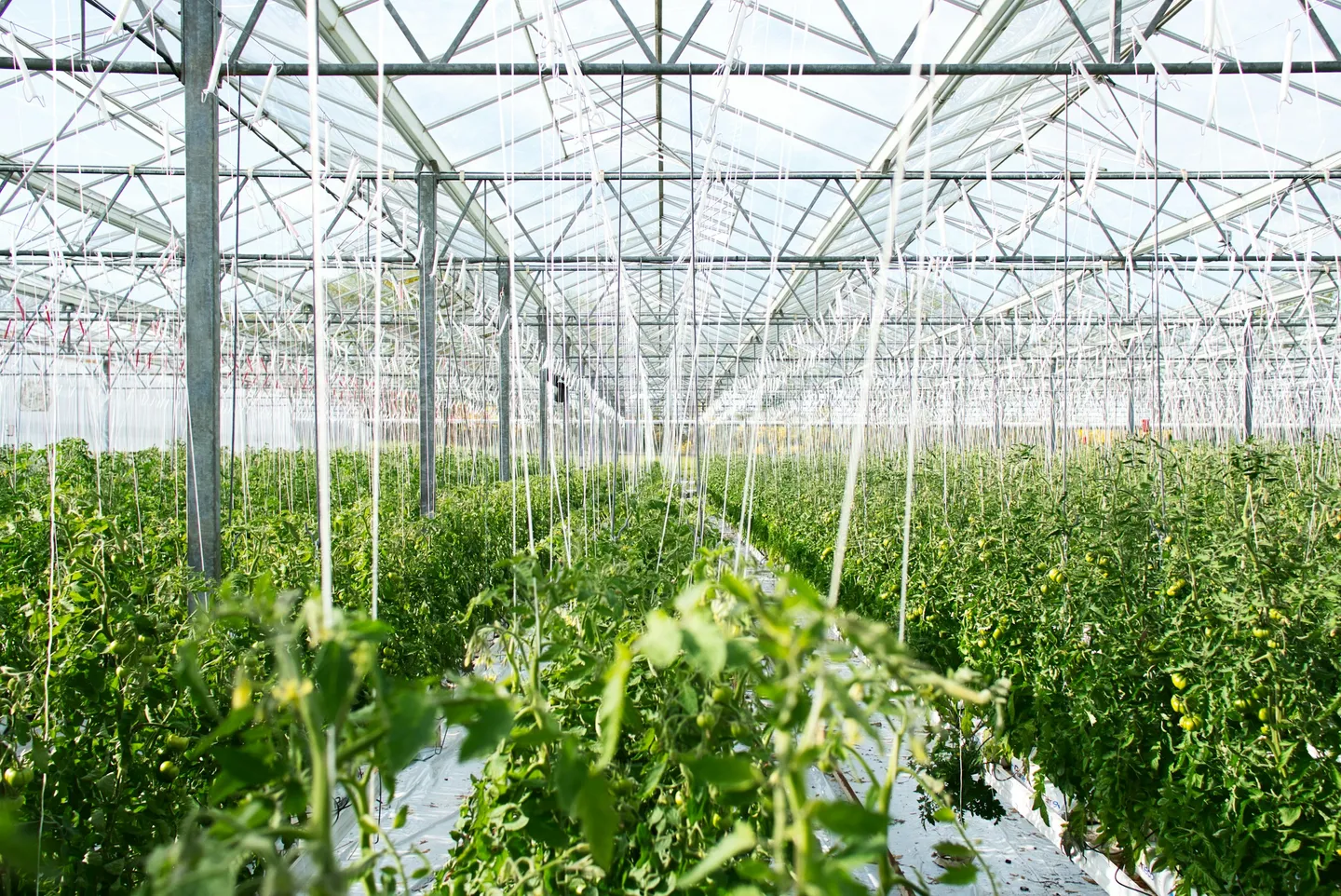
Photo by Erwan Hesry on Unsplash
Discover how to set up Starlink Internet in rural areas with our comprehensive guide for 2025. Learn about equipment, installation, and tips for optimal performance.
A farmer in Iowa checks soil moisture levels from her kitchen table over morning coffee. An orchardist in Washington gets frost alerts at 2 AM that automatically trigger his wind machines. This is ordinary agriculture in 2024, not a preview of some distant future. The agricultural IoT market hit $28.65 billion in 2024, and the technology is changing how rural communities farm.
The results speak for themselves. Farms using IoT sensor networks report water savings of 20-50% and yield increases of 10-20%, with most operations recovering their investment within 2-3 years. The technology scales well too. Whether you manage a 10-acre market garden or a 10,000-acre grain operation, there’s a system that fits your needs and budget.
The barrier to entry keeps dropping. Entry-level systems now start around $200 per sensor, and government programs like USDA’s Environmental Quality Incentives Program (EQIP) cover up to 75% of costs. That financial support has turned precision agriculture from a luxury for large operations into a practical tool for family farms.
How the Technology Works
Modern agricultural IoT sensors act as constant monitors, tracking conditions that affect crop health around the clock. At the most basic level, soil moisture sensors use electrical conductivity or capacitance to measure water content, essentially performing the finger-in-soil test thousands of times daily at multiple depths. When moisture drops below target levels, the sensors can trigger irrigation automatically or send a phone notification.
The sensor range goes well beyond moisture. Weather stations capture hyperlocal conditions that regional forecasts miss, which matters for timing spray applications or frost protection. pH sensors track soil acidity continuously, catching changes that affect nutrient availability before plants show stress. Temperature sensors at various depths help fine-tune planting schedules and predict germination rates, while advanced plant health sensors use spectral analysis to spot stress before it’s visible.
The communication layer makes monitoring practical in rural settings. LoRaWAN (Long Range Wide Area Network) has become agriculture’s go-to protocol, transmitting data up to 10 miles on batteries that last 5-10 years. Where cellular coverage is good, 4G and 5G sensors deliver real-time updates with higher bandwidth for things like video monitoring. Satellite connectivity covers the most remote spots.
Cloud platforms process all this data using machine learning to identify patterns and generate recommendations. Farmers don’t need to read complex graphs. Modern interfaces give clear direction: “Irrigate Field 3 tomorrow morning” or “Optimal spray conditions in 4 hours.”
Starting Simple on Small Farms
Operations under 50 acres are finding that IoT doesn’t require large investments or deep technical knowledge. The Farm21 FS21 sensor, priced at €199-€299, monitors soil moisture at three depths, air temperature, humidity, and light intensity. Installation is as simple as pushing a stake into the ground.
Consider Sarah Mitchell’s 30-acre berry farm in Michigan. Her initial $2,000 investment in five soil sensors and a basic weather station paid off in the first season: 30% less water use, 15% more marketable fruit, and time saved from eliminating manual moisture checks. “I used to spend two hours every morning walking fields with a soil probe,” she says. “Now I check my phone app during breakfast and know exactly where to focus.”
Davis Instruments offers weather stations from $500-$1,500 that pair well with soil monitoring. These stations track rainfall, temperature, humidity, wind speed, and solar radiation. Combined with soil data, they give a complete picture of growing conditions. Better-timed pesticide applications based on weather data can cut chemical use by 25-40% while improving effectiveness.
Government support makes the economics even better. Beginning farmers and historically underserved producers often qualify for higher EQIP reimbursement rates, sometimes covering 90% of costs. One young farmer in Vermont combined federal and state programs to install a $15,000 monitoring system for just $1,500 out of pocket, hitting positive ROI in the first growing season through reduced inputs and better crop quality.
Medium-Scale Operations
Farms of 50-500 acres hit a sweet spot for IoT, where automation delivers real labour savings alongside production gains. The Davis EnviroMonitor system fits this middle ground well, creating mesh networks where each $595 node covers up to 10,000 feet, with sensors and weather stations communicating across the entire operation.
Tom Harrison’s 300-acre corn and soybean operation in Illinois shows what’s possible. After installing 12 monitoring points across fields he’d farmed for two decades, the data revealed moisture variations he’d never suspected. Some areas held water far longer than expected, while others dried quickly despite looking similar on the surface. Variable-rate irrigation based on sensor data cut water use by 35% while increasing yields 12%. “The $18,000 I saved in pumping costs the first year nearly covered my entire investment,” he says.
CropX offers spiral-design sensors that install in under five minutes. Their AI-powered platform goes beyond data collection, providing specific irrigation prescriptions based on soil type, crop growth stage, and weather forecasts. At $600 per sensor plus $275 annual subscriptions, the investment pays off through precision that human judgment alone can’t match. A California almond grower using CropX documented 25% water savings worth $40,000 annually, plus 15% yield improvement from better irrigation timing.
Integration makes professional systems far more useful than standalone monitors. These platforms connect with John Deere Operations Center, Climate FieldView, and other farm management software, eliminating the hassle of juggling multiple systems. Prescription maps from sensor data guide variable-rate equipment, so every acre gets inputs based on actual conditions rather than field averages.
Large-Scale Commercial Operations
Operations above 500 acres need systems that match their management complexity. Sentek Technologies’ EnviroSCAN probes, at $2,000-$5,000 per installation, monitor soil conditions to 30-metre depths with research-grade precision. The upfront cost looks steep, but returns at scale are strong.
Take Sunrise Potato Company’s 2,000-acre operation in Idaho. Their $125,000 investment in monitoring (Sentek probes, METER Group weather stations, and automated irrigation controls) initially raised eyebrows. But the system showed they’d been over-irrigating sandy soils by 40% while under-watering clay zones. Correcting those patterns increased marketable yield by 18% and reduced annual water use by 6 million gallons. At current water costs and potato prices, the system paid for itself in 18 months.
Washington Fruit’s 12,000-acre operation shows enterprise-scale integration. Their IoT network serves purposes beyond production optimization. Every spray application gets logged automatically with weather conditions documented for regulatory compliance. Harvest data flows from field sensors to packing facilities for real-time quality tracking. This automation eliminated hundreds of hours of manual recordkeeping while meeting international export requirements.
The economics keep improving at scale. Large operations typically achieve payback within 2-3 years through combined savings in water, chemicals, labour, and yield gains. One multinational farming corporation reported a 20% reduction in input costs across 50,000 acres after full IoT deployment, translating to $3.5 million in annual savings. Institutional investors increasingly treat precision agriculture technology as necessary infrastructure, not an optional extra.
Diverse Applications Across Farm Types
IoT sensors prove their versatility across very different operations. Algoma Orchards in Canada overhauled pest management using the Semios platform, which combines camera-equipped insect traps with automated pheromone dispensers. By monitoring pest populations in real time and releasing pheromones only when needed, they eliminated pesticide use entirely on test blocks while maintaining full pest control. The system costs $150 per acre annually including hardware, software, and support, a fraction of traditional chemical programs.
Greenhouse operations see perhaps the most dramatic improvements. Netherlands growers using environmental control systems achieve yields 10 times higher than field production while using 90% less water. Sensors tracking temperature, humidity, CO2, and light intensity allow precise climate control that extends seasons and maximizes growth. Even modest greenhouse operations report 30-50% production increases after installing basic monitoring costing under $5,000.
Row crop farmers find different but equally valuable benefits. Precision fertilizer application guided by soil sensors reduces nitrogen use by 15-20% while maintaining or improving yields. Mike Peterson mapped his 800-acre Iowa farm using grid soil sampling integrated with IoT sensors and discovered he’d been over-applying nitrogen by $30,000 annually in areas with naturally high organic matter. The sensor network paid for itself in year one through fertilizer savings alone.
Specialty crop producers use IoT to capture quality premiums that dwarf technology costs. A Napa Valley vineyard installed moisture sensors throughout different blocks, enabling precise deficit irrigation that concentrates flavours while cutting water use by 40%. The quality improvements commanded 20% price premiums, generating an additional $200,000 in revenue that made the $50,000 sensor investment trivial by comparison.
Lessons from Early Adopters
Agricultural IoT takes more than buying sensors. It demands planning and realistic expectations. Site selection matters for accurate data. Sensors need to represent actual field conditions, not convenient locations near roads or equipment paths where compaction differs from the rest of the field. One farmer learned this the hard way after installing sensors along field edges, then wondering why the recommendations didn’t match crop performance at field centre.
Starting simple and expanding gradually is universal advice from experienced users. Farmers who try full monitoring from day one often drown in data without a clear action plan. “I wish I’d started with just five sensors instead of fifty,” says James Franklin, who farms 1,500 acres in Nebraska. “We spent the first year figuring out what the data meant instead of using it.” Beginning with soil moisture monitoring in high-value crops, then adding capabilities as comfort grows, produces better results and less frustration.
Rural connectivity takes creative problem-solving. While manufacturers promise long-range communication, topography and vegetation affect real-world performance. Test connectivity before buying. LoRaWAN often provides better rural coverage than cellular options. Putting gateway antennas on grain silos or barn roofs extends range substantially. Some operations mix communication methods: LoRaWAN for distant fields, cellular where it works, and satellite for the most remote spots.
Maintenance separates systems that thrive from those that get abandoned. Monthly visual inspections catch animal damage, equipment strikes, or displaced sensors before data gaps develop. Seasonal calibration checks keep readings accurate, particularly for pH and electrical conductivity sensors that drift over time. Annual battery replacements in backup systems prevent failures during critical periods. Experienced users schedule maintenance during regular field scouting, adding just minutes while preventing hours of troubleshooting.
The Investment Case in 2025
Agricultural IoT has reached a point where benefits clearly outweigh costs for most operations. Entry-level investments of $200-500 per monitored area are modest compared to potential returns. Water savings alone often justify the expense. Reducing irrigation by 25% on a 40-acre field saves $5,000-10,000 annually in pumping costs. Add reduced fertilizer waste, improved yields, and labour savings, and payback periods usually measure in months rather than years.
Government support makes the numbers even better. EQIP funding covers 50-75% of costs for qualifying operations, with higher percentages for beginning farmers, veterans, and historically underserved producers. State programs often stack with federal funding. California’s State Water Efficiency and Enhancement Program provides additional support for irrigation improvements guided by soil moisture monitoring. One young farmer combined multiple programs to cover 85% of a $35,000 system, paying $5,250 out of pocket for technology that increased first-year profits by $25,000.
Subscription costs concern some farmers, but the maths usually works out. Platform fees of $100-500 per sensor annually become minor against the returns. If monitoring prevents just one unnecessary irrigation event in a 50-acre field, the water and energy savings exceed the annual subscription cost. Some vendors now offer performance-based pricing where payments link to documented savings, which removes adoption risk entirely.
Financing options keep expanding as lenders recognize precision agriculture as risk reduction. Equipment dealers offer lease programs with payments structured around growing seasons. Agricultural lenders offer favourable terms for IoT investments, viewing them as improvements that strengthen the operation. Some vendors provide try-before-you-buy programs, installing systems for a season with purchase decisions based on actual results.
What’s Coming Next
2025 marks a turning point in agricultural IoT accessibility. Sensor costs keep falling while features expand. Devices that cost $1,000 five years ago now sell for $200 with better performance. Battery life is approaching a decade, dramatically reducing maintenance. Most notably, artificial intelligence now turns raw data into specific, actionable recommendations any farmer can use regardless of technical background.
Fifth-generation cellular networks will open new possibilities for rural operations. Real-time, high-bandwidth connectivity enables applications that weren’t practical before: drones automatically investigating when sensors detect anomalies, or irrigation systems adjusting instantly based on approaching weather systems detected miles away. Edge computing brings processing power directly to fields, enabling instant decisions without the delays of cloud communication.
Government support for agricultural technology continues to strengthen. The USDA Climate Adaptation Plan 2024-2027 positions precision agriculture as central to sustainable farming. New programs target carbon sequestration monitoring, potentially paying farmers for documented soil carbon increases tracked by IoT sensors. International initiatives like AIM for Climate’s $17 billion investment fund are accelerating development and deployment worldwide.
Integration is improving as manufacturers adopt common standards. The frustration of managing multiple apps and platforms will diminish as unified dashboards pull all farm data into one place. Blockchain technology protects data integrity for certification programs while maintaining farmer privacy. Digital twin technology already lets farmers test management strategies virtually before trying them in actual fields, reducing risk while optimizing outcomes.
Getting Started
IoT sensors for crop monitoring have moved from experimental novelty to everyday farming tools with measurable returns across all operation sizes. The technology works because it addresses real problems facing rural communities: labour shortages, rising input costs, weather uncertainty, and tighter regulations. With entry-level systems at about $200 per sensor and government programs covering most of the cost, the financial barrier has largely disappeared.
The practical path forward starts with a specific problem, whether that’s optimizing irrigation, reducing fertilizer waste, or improving frost protection. Choose one or two fields for initial implementation rather than trying to cover the whole farm at once. Pick vendors with strong support and proven agricultural experience. Most importantly, treat IoT sensors as tools that add to your farming expertise rather than replace the judgment you’ve built over years.
Success stories span from 10-acre market gardens to 10,000-acre grain operations, showing that scale doesn’t determine whether the technology works. The farmers getting the best results share common traits: they start simple, learn continuously, and expand their systems as they grow more comfortable. They treat data as one more valuable input alongside soil tests and crop scouting, not as gospel replacing field observation.
The question isn’t whether agricultural IoT makes sense for your operation. It’s which specific technologies best fit your particular challenges. With thoughtful implementation, these tools become part of the farm’s daily rhythm: more productive, more sustainable, and more profitable. The best harvests come from combining what you know with what the data can tell you.