
Managing Damp in Old Rural UK Properties: Prevention and Treatment
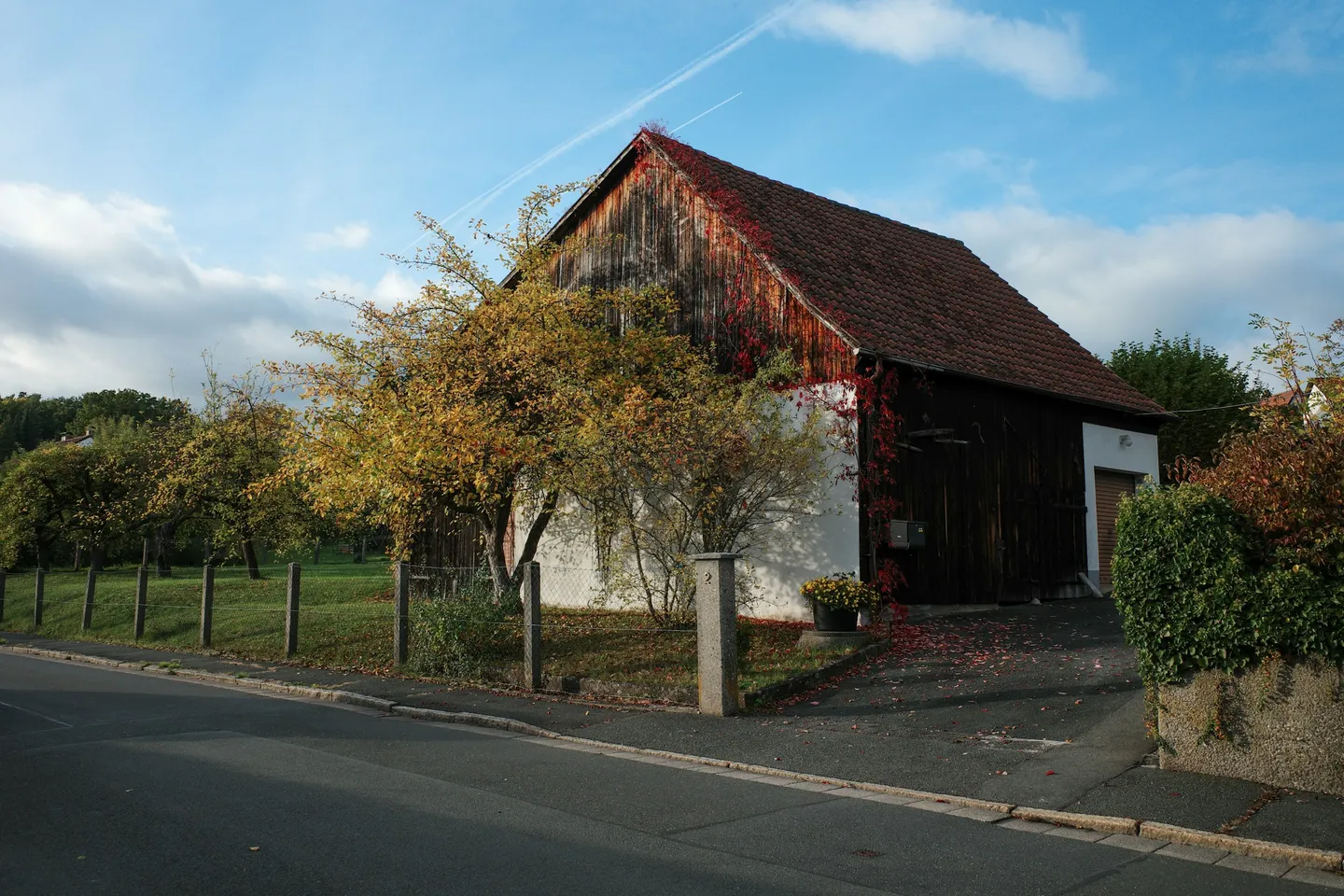
Photo by noe fornells on Unsplash
The most important fact for owners of pre-1919 rural properties is this: traditional buildings were designed to get wet and dry out, not to be sealed against moisture. According to SPAB (Society for the Protection of Ancient Buildings), rising damp is misdiagnosed in over 90% of cases. The vast majority of damp problems stem from simple maintenance failures rather than requiring expensive chemical treatments.
Understanding this principle can save thousands of pounds and prevent irreversible damage to historic fabric. Blocked gutters, raised ground levels, and inadequate ventilation cause far more damp problems than failed damp-proof courses.
The UK’s older rural housing stock represents approximately 20% of all dwellings. These buildings operate on entirely different moisture management principles than modern construction. Where post-1930s buildings rely on impermeable barriers to keep water out, traditional buildings absorb moisture and allow it to evaporate back through breathable materials.
This guide provides evidence-based guidance for diagnosing, preventing, and treating damp in these properties. It draws on authoritative sources including SPAB, Historic England, the Building Research Establishment, and the RICS/Historic England/PCA Joint Position Statement on moisture investigation.
How Traditional Buildings Manage Moisture
Pre-1919 buildings constructed using solid stone walls, lime mortar, cob, timber frames, and flint were engineered around breathability. Conservation specialists use this term to describe the ability of building materials to absorb moisture yet readily release it when conditions become drier.
SPAB’s guidance on breathability explains the fundamental difference: traditional buildings allow moisture entering the wall to evaporate, whereas modern buildings rely on keeping water out through a system of barriers.
This breathability operates through three mechanisms. Vapour permeability allows water vapour to pass through materials. Hygroscopic buffering means materials hold moisture in vapour form and regulate humidity. Capillary action uses pore structures to promote liquid water movement via surface diffusion.
Traditional lime mortars, renders, and plasters are specifically formulated to be more porous than the surrounding masonry. This directs moisture out through the joints where it can evaporate harmlessly.
The critical implication is that applying impermeable modern materials to these buildings disrupts this equilibrium catastrophically. SPAB’s Technical Advice Note on breathability states that modern cement render is incompatible with the construction of most old buildings and can cause or accelerate serious decay.
Hairline cracks in rigid cement draw in water that becomes permanently trapped, unable to evaporate through the impermeable barrier. For cob buildings in Devon and Somerset, cement render has caused outright structural collapse as moisture builds to destructive levels.
Regional Construction Types
Different traditional construction types require specific understanding.
Solid stone walls found throughout Yorkshire, the Cotswolds, and the Lake District rely entirely on breathability. Cement pointing forces moisture to exit through stonework rather than mortar joints, causing frost and salt damage to the stone itself.
Cob and earth construction, common in Devon, Somerset, and parts of East Anglia, loses structural strength above 12-13% moisture content. These buildings must never receive cement render. Earthouse Building Conservation provides detailed guidance on maintaining these vulnerable structures.
Timber-framed buildings in East Anglia, the West Midlands, and Kent suffer major structural decay when moisture becomes trapped behind impermeable finishes. The timber needs to dry out periodically to remain sound.
Flint walls in East Anglia and the Chilterns are unsuitable for chemical DPC injection. Drilling creates unsightly damage and cannot form proper barriers in the irregular flint construction.
Diagnosing Damp Correctly
The UK damp-proofing industry is worth over £200 million annually. This creates significant commercial pressure toward diagnosing problems that require expensive treatments.
BRE research suggests only 10% of dampness problems investigated are genuinely attributable to rising damp. Academic estimates place true rising damp incidence at 5-10% of diagnosed cases.
Understanding the different types of damp is essential for avoiding unnecessary work.
Rising Damp
Genuine rising damp involves upward movement of groundwater through walls by capillary action. It produces specific, identifiable characteristics.
Rising damp creates a horizontal tide mark at consistent height. Physics limits capillary rise to approximately 900mm to 1.2m maximum. Salt deposits concentrate below this line, and visible discolouration appears below the tide mark. The problem occurs only at ground floor level.
Green algal staining indicates rain penetration, not rising damp. Buildings pre-dating the 1875 Public Health Act often have no damp-proof course yet managed moisture successfully for over a century through breathability alone.
Pennington Choices provides detailed guidance on distinguishing genuine rising damp from other moisture sources.
Penetrating Damp
Penetrating damp, where water enters from outside, is far more common in exposed rural locations.
Common entry points include defective roof coverings, failed flashing around chimneys (described by experts as a major cause of water damage in old stone and cob buildings), cracked or deteriorated render, and blocked gutters causing overflow down walls.
Unlike rising damp, penetrating damp can occur at any level of the building. It worsens during or after rainfall rather than maintaining a consistent pattern.
Condensation
Condensation represents the most common form of damp in UK buildings yet remains frequently misdiagnosed. A typical family of four produces approximately 14 litres of moisture daily through cooking, bathing, and breathing.
Modern lifestyle changes have dramatically increased moisture load while reducing air changes. Sealed windows replace draughty originals. Blocked chimneys eliminate natural ventilation. Clothes dry indoors instead of outside.
Condensation appears as water droplets on cold surfaces and widespread black mould, particularly in corners and behind furniture. It worsens in cold weather rather than wet weather.
Hygroscopic Salts
Hygroscopic salts cause particular diagnostic confusion. These salts, including calcium nitrate, calcium chloride, and sodium chloride, attract and hold moisture from the air.
Once deposited in wall plaster from historic moisture events, they continue creating the appearance of dampness even after the original water source has been eliminated.
Crucially, they produce false positive readings on electrical moisture meters. This point is critical: electrical moisture meters cannot measure actual moisture content. They measure electrical conductivity, which increases in the presence of salts regardless of whether the wall is actually wet.
BRE Digest 245 states explicitly that high readings from a moisture meter alone are not conclusive. Relying solely on meter readings, which is standard practice for many damp-proofing company surveys, leads to systematic misdiagnosis.
Proper diagnosis requires gravimetric laboratory testing of physical samples, salt analysis, and moisture profiling at different wall depths.
Causes Specific to Rural Properties
Rural buildings face heightened exposure to driving rain, particularly on western elevations facing prevailing south-westerly winds. Traditional responses included lime render on exposed walls, slate or tile hanging, deep roof overhangs, and regular limewash application.
Properties lacking these protections or where they have deteriorated require restoration of these defences before considering internal treatments.
Ground Conditions and Drainage
High water tables, clay soils retaining moisture, sloping sites directing water toward buildings, and surface water not falling away from walls all contribute to damp ingress.
External ground levels should sit at least 150mm below internal floor level and any existing DPC. Installing French drains, ensuring paving slopes away from buildings, and managing vegetation against walls provide straightforward, non-invasive solutions.
Failed Previous Repairs
Failed or inappropriate previous repairs represent the single most common cause of damp in traditional buildings. Heritage surveys document numerous cases where cement render, cement pointing, impermeable paints, and gypsum plaster have trapped moisture and caused accelerating decay.
Removing these inappropriate materials and replacing with lime-based alternatives often resolves damp problems without further intervention. Muddy Mortars provides practical guidance on this approach.
Changes in Building Use
Changes in building use affecting ventilation have created epidemic damp problems across older UK housing. Buildings designed with open fireplaces drawing air constantly and draughty windows allowing moisture escape now operate with blocked chimneys, sealed windows, and central heating creating very different thermal conditions.
Simply reinstating proper ventilation frequently eliminates what appeared to be serious damp issues. Clearing blocked airbricks, opening chimney flues with ventilated caps, and installing trickle vents can transform a damp building.
Defective Rainwater Goods
Defective rainwater goods require regular attention. Blocked gutters cause overflow saturating walls below. Cracked downpipes discharge directly onto brickwork. Disconnected sections allow water to penetrate foundations.
SPAB advises clearing gutters and rainwater pipes regularly, particularly if your building is surrounded by trees. This simple maintenance task prevents problems that might otherwise be misattributed to rising damp.
Prevention Through Maintenance
Prevention costs a fraction of remediation and should form the primary damp management strategy. A systematic maintenance schedule addresses most risk factors before problems develop.
External Maintenance
External maintenance priorities follow the traditional principle of providing a good hat and good boots, which means protecting the roof and ground level while allowing the wall fabric to breathe between.
Seasonal gutter clearing in spring and autumn, annual roof inspection for missing or slipped tiles, monitoring pointing condition, and checking ground levels against walls should become routine. Vegetation management prevents climbing plants trapping moisture against walls.
Ventilation Requirements
Ventilation requirements for traditional buildings are substantial.
Sub-floor ventilation requires airbricks on at least two opposite walls, spaced maximum 2m apart and within 450mm of corners. The minimum provision is 1,500mm² per metre of external wall or 500mm² per square metre of floor area.
Room ventilation depends on maintaining open chimney flues or fitting ventilated caps to disused chimneys, avoiding complete sealing of windows, and extracting moisture at source in kitchens and bathrooms.
Heating Strategy
Heating strategy should prioritise consistent low-level background heat over intermittent high heating. Maintaining minimum 12-15°C even when unoccupied prevents condensation on cold surfaces.
Gradual temperature rises using thermostats prevent the rapid temperature changes that cause moisture to condense on still-cold surfaces.
Lifestyle Adjustments
Lifestyle adjustments significantly reduce moisture load.
Ventilate during cooking using extractor fans and open windows. Dry clothes outdoors or in properly vented tumble dryers rather than on radiators. Open windows briefly daily, even in winter, for 10-15 minutes. Use lids on pans to reduce steam release.
Avoid unflued LPG heaters, which produce significant moisture as a combustion byproduct. Keep furniture 50-100mm from external walls to allow air circulation behind.
Traditional Breathable Treatments
When damp problems persist after addressing maintenance and ventilation, traditional breathable treatments offer heritage-appropriate solutions. These work with rather than against the building’s natural moisture management.
Lime Mortars, Renders, and Plasters
Lime-based mortars, renders, and plasters form the foundation of appropriate repair.
Non-hydraulic lime (lime putty) offers maximum breathability and flexibility. It sets only by absorbing CO₂, making it ideal for internal plasterwork and soft substrates like cob.
Natural Hydraulic Lime (NHL) contains natural clay impurities allowing it to set in the presence of water plus carbonation. Three strength grades exist: NHL 2 is weakest, suitable for soft stone and cob. NHL 3.5 is general purpose and most commonly used. NHL 5 is strongest, for exposed locations, below DPC, and chimneys.
The fundamental principle is that mortar must always be weaker and more porous than the masonry it beds. SPAB’s guidance on lime renders versus cement explains why this matters for building longevity.
Breathable Paints and Finishes
Breathable paints and finishes extend this philosophy to decorative surfaces.
Limewash, made from slaked lime and water, provides extreme breathability with vapour resistance approximately 1.0 MNs/g. Its alkaline nature offers natural mould resistance, and it provides traditional aesthetic authenticity. It requires reapplication every 3-5 years on exposed surfaces and costs approximately £25-40 per 10 litres.
Mineral silicate paints from brands including Keim and Beeck chemically bond to mineral substrates. They offer exceptional durability of 15-25+ years and cost approximately £40-60 per 5 litres.
Clay paints provide excellent humidity regulation for interior use at around £30-45 per 5 litres.
Limecrete Floors
Limecrete floors offer a breathable alternative to modern concrete with DPM for ground floors. This lime-bound aggregate floor requires no damp-proof membrane and allows moisture to evaporate naturally.
The typical build-up comprises compacted hardcore, limecrete, breathable insulation, and lime screed. Underfloor heating can be incorporated within the system.
Costs for Traditional Treatments
Current UK costs for traditional treatments in 2024-2025 vary by complexity.
Lime mortar repointing for standard brickwork typically costs £50-80 per square metre. Stonework repointing runs £60-100 per square metre, while complex rubble or random stone repointing costs £80-120 per square metre.
Lime plastering using a traditional 3-coat system costs £30-45 per square metre. Heritage-grade lime plaster on complex sites can reach £65-160 per square metre. Full lime render systems typically cost £80-120 per square metre.
Whole-house repointing examples from recent projects provide useful benchmarks. An Edwardian 3-bed semi including scaffolding costs approximately £7,300. A Victorian terrace front and back runs £15,000-18,000. A large stone cottage requiring full repointing can exceed £25,000.
Finding Heritage Specialists
Finding qualified lime and heritage specialists requires looking beyond standard contractor directories.
SPAB maintains informal lists of suitable craftspeople including William Morris Craft Fellowship graduates. The RICS Building Conservation Accreditation scheme identifies surveyors with specialist historic building training. The IHBC (Institute of Historic Building Conservation) maintains registers of conservation professionals.
Lime suppliers including Ty-Mawr, Cornish Lime, and Mike Wye offer training courses and can often recommend local specialists familiar with their products.
Modern Chemical Treatments
Modern damp-proofing treatments have a legitimate but limited role in appropriate circumstances. However, the industry has attracted significant criticism for over-diagnosis and inappropriate treatment of traditional buildings.
Chemical DPC Injection
Chemical DPC injection involves drilling 12mm diameter holes at approximately 150mm centres into masonry, typically 150mm above ground level. Silicone-based or resin-based cream is injected and diffuses through capillaries to create a water-repellent barrier.
This works most effectively in standard brick with regular mortar courses. It is problematic to ineffective in solid stone walls, flint walls, and rubble-cored construction where uniform chemical saturation cannot be achieved. It should be completely avoided in cob and earth buildings where it can cause major structural damage.
Current UK costs for chemical DPC injection run £40-70 per linear metre for injection alone and £60-195 per linear metre including replastering. Full treatment of a semi-detached house typically costs £2,000-5,000.
Typical guarantees extend 20-30 years, though these are worthless if companies cease trading. Guarantee Protection Insurance has reduced terms from 20 to 10 years due to industry problems.
SPAB states clearly that there should be a presumption against retrospective DPCs. When inappropriately installed in a pre-c1919 building, they can be damaging, ineffective and an unnecessary expense. The waterproof rendering to a metre high typically applied alongside injection may itself be preventing moisture appearance rather than the chemical barrier working.
Damp-Proof Membranes and Tanking
Damp-proof membranes and tanking serve legitimate purposes for basement waterproofing but raise concerns for traditional buildings.
Cavity drain membrane systems costing £80-150 per square metre manage water ingress by directing it to sumps with pumps. This provides a pragmatic solution for habitable below-ground spaces.
However, tanking is inherently impermeable and may displace moisture elsewhere in the structure. Cotswold District Council guidance explicitly warns against treating damp with injected damp-proof courses, applying cement plaster or render, or other waterproofing treatments such as tanking or paints.
Electro-Osmotic Systems
Electro-osmotic systems claim to repel water molecules downward through electrical fields. BRE’s assessment is unambiguous: neither active nor passive types have been approved by a recognised laboratory.
On theoretical grounds, it remains unclear how they can work. Their effectiveness has not been demonstrated in the laboratory and field evidence is disappointing. The Advertising Standards Authority has ruled against installers for unsubstantiated claims.
These systems cost approximately £3,000 per unit and should be approached with extreme scepticism.
Modern Waterproof Renders
Modern waterproof renders and coatings including sand and cement renders, K-Rend, and silicone water repellents are fundamentally incompatible with breathable construction.
They trap moisture, causing accelerating decay of underlying masonry, salt crystallisation damage, and forcing moisture inward. They should never be applied to lime-mortared solid walls.
Finding Trustworthy Professional Services
The commercial dynamics of the damp-proofing industry create inherent conflicts of interest. Free surveys from treatment companies are marketing exercises where survey costs are built into treatment recommendations. Independent diagnosis before any treatment decision is essential.
Types of Professionals
Different professionals serve different purposes.
RICS Chartered Surveyors holding MRICS or FRICS conduct general property surveys but typically lack specialist damp knowledge. Standard surveys often refer damp issues to specialists without detailed diagnosis.
Independent damp surveyors are paid directly for diagnosis with no financial interest in treatment. This independence is valuable but not guaranteed simply by the surveyor operating independently.
Company-affiliated surveyors work for damp-proofing contractors. The potential conflict of interest is obvious, though some company surveyors are competent and honest.
Heritage and conservation consultants understand breathable construction and appropriate materials. They are essential for listed buildings and highly valuable for any pre-1919 property.
Structural engineers qualified through IStructE or ICE are needed when structural damage, cracking, or subsidence is suspected.
Accreditations
The Property Care Association (PCA) is the UK’s leading trade body for damp-proofing. It requires two years trading history, regular audits, and surveyor qualifications including CSRT, CSSW, and CRDS. It provides warranty covering contracts £250-£50,000 and completion guarantees if members fail.
However, critics including heritage specialists argue it represents commercial damp-proofing interests. Some experts describe CSRT and CSSW as industry training certificates rather than academic qualifications.
RICS Building Conservation Accreditation identifies surveyors with specialist historic building expertise following ICOMOS guidelines. The AABC Register accredits architects in building conservation.
Warning Signs
Warning signs of poor advice include immediate diagnosis of rising damp using only an electrical moisture meter, recommending chemical injection without investigating actual cause, suggesting cement render on old solid-walled buildings, and not asking about lifestyle factors, heating, or ventilation.
High-pressure sales tactics or urgency, very cheap or free surveys followed by expensive treatment quotes, and inability to explain the actual cause of dampness all suggest problems.
Questions to Ask
When meeting potential contractors, ask whether they are independent or also carry out remedial work. Ask how they will diagnose the problem and be wary if they rely solely on electrical meters. Ask whether they will take physical samples for laboratory analysis.
Ask whether they have worked on similar period properties and whether they understand breathable construction and lime mortars. Honest answers to these questions reveal a great deal about competence and approach.
Survey Costs
Professional survey costs in 2024-2025 provide a guide to reasonable charges.
Independent damp surveys for a 3-bed house typically cost £250-400. Complex or heritage damp surveys run £400-1,200 or more. RICS Level 3 Building Surveys cost £500-1,200. Heritage consultant hourly rates run £80-150. Structural engineer surveys cost £500-1,500.
Paying £200-600 upfront for independent diagnosis can save thousands in unnecessary treatment.
Listed Building Requirements
Listed building status brings specific legal obligations. Any damp-proofing treatment including chemical injection, membranes, removal of historic plaster, and changes to external render requires Listed Building Consent before work begins.
This applies equally to Grade I, Grade II*, and Grade II buildings. The grading reflects significance rather than level of protection. All grades receive equal legal protection.
Working with Conservation Officers
Conservation officers accessible free through local planning authorities should be contacted before starting any work. Pre-application meetings establish acceptable approaches. Design and Access Heritage Statements demonstrate understanding of building significance.
Penalties for Unauthorised Work
Penalties for unauthorised work to listed buildings are severe. Magistrates Court can impose up to 3 months imprisonment and/or £20,000 fine. Crown Court can impose up to 2 years imprisonment and unlimited fine.
The offence is strict liability, meaning intent is irrelevant. Liability passes to new owners when properties are sold. Both owners and contractors can be prosecuted. Listed Building Enforcement Notices can require restoration to former state at the owner’s expense.
Heritage Body Resources
Different heritage bodies cover different parts of the UK.
Historic England provides technical guidance and advice on listed buildings in England. It publishes a joint position statement with RICS and PCA on moisture investigation and offers conservation accreditation for professionals.
Cadw covers Wales and publishes guidance including “Small Rural Dwellings in Wales—Care and Conservation”. Its Heritage Conservation, Repair and Regeneration Scheme offers grants up to £5,000,000 for significant heritage projects.
Historic Environment Scotland publishes INFORM guides including “Damp: Causes and Solutions” and “Damp Gables”. The Engine Shed provides training on traditional building skills.
Historic Environment Division within the Department for Communities covers Northern Ireland and collaborates on UK-wide guidance.
Grant Funding
Available grant funding for heritage properties includes several sources, though grants for private listed building owners are increasingly difficult to secure. Focus is on nationally important buildings or those at risk.
Historic England Repair Grants for Heritage at Risk give priority to buildings on the Heritage at Risk Register. National Lottery Heritage Fund grants range from £10,000 to £10 million. Heritage at Risk Capital Fund provides £15 million for 2024/2025.
Architectural Heritage Fund grants support community-led projects. The Listed Places of Worship Grant Scheme provides VAT refunds on repairs to churches and other listed religious buildings.
DIY Approaches Versus Professional Work
Many damp management tasks can reasonably be tackled by competent homeowners, while others require professional expertise.
Suitable for DIY
Condensation management including opening windows daily, installing and maintaining extractor fans, using dehumidifiers, and wiping condensation from windows requires no special skills.
Basic maintenance including clearing gutters and downpipes, checking and clearing airbricks, monitoring external ground levels, and clearing vegetation from walls is straightforward.
Minor repairs including simple repointing using lime mortar (not cement) on pre-1900 buildings, fixing minor gutter leaks, and improving sub-floor ventilation are achievable with basic research and care.
Monitoring using hygrometers costing £10-30 to track humidity, documenting damp patterns over time, and photographing issues for professional assessment provides valuable information.
Requiring Professional Work
Certain situations require professional intervention.
Listed buildings may require consent for any works. Structural concerns including cracks, movement, and subsidence need expert assessment. Dry rot or significant wet rot requires specialist treatment. Serious woodworm infestation in structural timbers needs professional diagnosis and treatment.
Installing or replacing damp-proof courses, basement waterproofing, major roof repairs, and work requiring Building Regulations approval all need qualified contractors.
Training for Homeowners
Training courses for homeowners provide valuable knowledge.
SPAB courses include “Understanding Your Old Building” available online and self-paced with live Q&A sessions. This covers damp, lime, maintenance, and legal framework. “Repair of Old Buildings” is a 5-day intensive course costing approximately £805 with comprehensive conservation education including site visits.
Multiple lime suppliers including Ty-Mawr, Cornish Lime, and Womersleys offer practical courses in lime pointing, rendering, and plastering costing approximately £120-200 per day.
Costs, Budgeting, and Financial Implications
Understanding the full financial picture helps with planning and decision-making.
Cost Comparison
Different treatment approaches vary significantly in cost, longevity, and suitability.
Chemical DPC injection for a semi-detached house costs £2,000-5,000 with longevity of 20-30 years. It is not recommended for pre-1919 properties.
Lime render costs £80-120 per square metre with longevity exceeding 50 years. It has excellent heritage suitability.
Lime repointing costs £55-85 per square metre with longevity exceeding 50 years. It also has excellent heritage suitability.
Tanking and basement waterproofing costs £3,000-30,000+ with longevity of 10-25 years. It is acceptable with caveats for appropriate situations.
Improved ventilation and drainage costs £500-3,000 with ongoing maintenance requirements. This represents the excellent and preferred approach for most situations.
Hidden Costs
Hidden costs require budgeting beyond the headline treatment figures.
Replastering after DPC treatment costs £100-500 per room. Skirting board replacement costs £100-300 per room. Electrical socket relocation costs £50-150 per socket. Redecoration costs £200-600 per room.
Drying time creates additional impact, with up to one month required per inch of wall thickness before decoration can proceed.
Insurance Considerations
Standard home insurance typically does not cover rising damp treatment, penetrating damp from gradual deterioration, condensation-related damp, or failed DPCs.
Coverage may apply to damage from sudden insured events such as burst pipes or storm damage, and consequential damage to plaster and wallpaper from covered events.
Failure to disclose existing damp to insurers may invalidate policies entirely.
Property Value Impact
Damp affects property value to varying degrees.
Minor condensation has minimal impact on value. Moderate damp issues reduce value by approximately 10%. Severe or structural damp damage can reduce value by up to 50%.
Post-treatment, residual impact of approximately 3-5% typically remains as buyers factor in uncertainty about future problems.
Properties with significant damp may only sell to cash buyers. Research indicates 87% of buyers are put off by damp and 75% won’t make offers on damp-affected properties. Mortgage lenders often refuse to lend or apply retention pending treatment.
VAT Considerations
VAT on renovation work varies by circumstances.
Standard rate of 20% applies to all repair and maintenance work on listed buildings since October 2012 when zero-rating for approved alterations was withdrawn.
Reduced rate of 5% applies to dwellings empty 2+ years before renovation.
Zero rate until March 2027 applies to heat pumps, solar panels, and insulation in existing buildings under energy efficiency measures.
Real-World Examples
Documented case studies illustrate both successful approaches and cautionary failures.
Successful Traditional Remediation
The Yorkshire Lime Company’s restoration of a Grade II listed ha-ha wall demonstrated SPAB principles using traditional lime mortar repairs. Client testimonials confirmed great care and attention to detail and clear understanding of the SPAB approach.
Systematic Misdiagnosis
Published case histories reveal patterns of properties diagnosed with rising damp requiring expensive treatment where the actual cause was simple maintenance failure.
At Leaswood Place in Newcastle, ponding on paving slabs was the actual problem. The fix was ground level reduction only, not chemical injection.
At Sunniside in North Shields, a 1930s house had a functioning original slate DPC. A £3,500 treatment was quoted, but the actual solution was reducing ground levels and repairing gutters.
At Herne Hill in South London, raised paving was bridging the DPC. A £2,000 treatment was quoted, but the actual fix was lowering ground levels.
Cement Render Problems
SPAB documents cases where cement render on cob walls caused structural collapse as trapped moisture built to critical levels.
Heritage House describes stone buildings where cement render caused stonework destruction just above the render line, with internal walls blown from moisture forced inward.
Forum Testimony
Period Property UK discussions include homeowners who paid £6,000 for chemical injection and waterproof cement rendering, only to experience continuing damp and wet droplets at ground level after rain. They recognised too late that the chemical injection and the tanking slurry was the wrong course of action.
Regulatory Requirements and Legal Obligations
Understanding legal requirements helps avoid problems during ownership and when selling.
Building Regulations
Building Regulations Approved Document C requires DPCs at least 150mm above ground level, continuous with any damp-proof membrane in floors.
DPCs have been mandatory since the Public Health Act 1875. Properties predating this may have no DPC or alternatives like slate courses.
Disclosure When Selling
The Consumer Protection from Unfair Trading Regulations 2008 and Property Information Questionnaire specifically require disclosure of known damp problems, previous treatments, failed treatments, and guarantees in place.
Non-disclosure can result in legal action for misrepresentation, liability for repair costs, and purchase rescission.
Party Wall Considerations
The Party Wall Act 1996 may apply if damp treatment involves work to shared walls, excavation near neighbouring property, or affects structures connecting to adjoining buildings.
Mortgage Implications
Most lenders require damp surveys before approval. Valuers flag significant issues in their reports.
Serious damp can result in mortgage refusal, reduced valuation, or retention pending treatment.
Resources and Further Information
Multiple organisations provide guidance and support.
Key Organisations
SPAB offers a free Technical Advice Line on 020 7377 1644, technical advice notes downloadable from their website, and training courses for professionals and homeowners.
Historic England provides technical guidance, the Joint Position Statement on moisture investigation with RICS and PCA, and free webinars and recorded conference sessions.
BRE publishes Digest 245 “Rising damp in walls—diagnosis and treatment” providing definitive diagnostic methodology, and Good Repair Guide 5 “Diagnosing the causes of dampness”. Publications are available through brebookshop.com.
RICS Find a Surveyor allows searching for surveyors with Building Conservation Accreditation.
Recommended Reading
“Old House Handbook” by Roger Hunt and Marianne Suhr, published by SPAB through Frances Lincoln, is the authoritative guide covering breathability and damp.
“Survey and Repair of Traditional Buildings: A Sustainable Approach” by Richard Oxley, published by Donhead, explores controversial treatment issues with extensive case studies.
The RICS/Historic England/PCA “Investigation of moisture and its effects on traditional buildings” joint position statement is available as a free download establishing best-practice framework.
Lime Suppliers and Training
Cornish Lime supplies lime products and offers training.
Mike Wye & Associates specialises in cob and earth building conservation.
Ty-Mawr Lime offers RIBA-accredited courses alongside lime products.
Womersleys specialises in hot lime products and traditional techniques.
Scottish Lime Centre Trust offers free and paid courses on traditional lime use.
Summary
Managing damp in old rural properties requires abandoning the assumption that all buildings work the same way.
The evidence from BRE, SPAB, Historic England, and independent research overwhelmingly supports a hierarchy of intervention. Investigate causes thoroughly before considering treatment. Address maintenance, drainage, and ventilation first. Use breathable materials compatible with traditional construction. Reserve invasive treatments for genuinely appropriate circumstances after independent diagnosis.
The damp-proofing industry has commercial incentives that do not always align with building conservation or homeowner interests. Rising damp, though real, is diagnosed far more frequently than it actually occurs. Free surveys from treatment companies are marketing tools, not objective assessments. Electrical moisture meters cannot measure actual moisture content and produce false positives in salt-contaminated walls.
For owners of pre-1919 rural properties, the path forward lies in understanding how their buildings were designed to work, maintaining the systems that allow natural moisture management, and resisting pressure to apply modern treatments that may cause more harm than they solve.
The most effective damp management often proves to be the least invasive: clearing gutters, lowering ground levels, reinstating ventilation, and allowing walls to breathe as they were built to do.