
Managing water supply during drought: A complete UK guide for rural properties
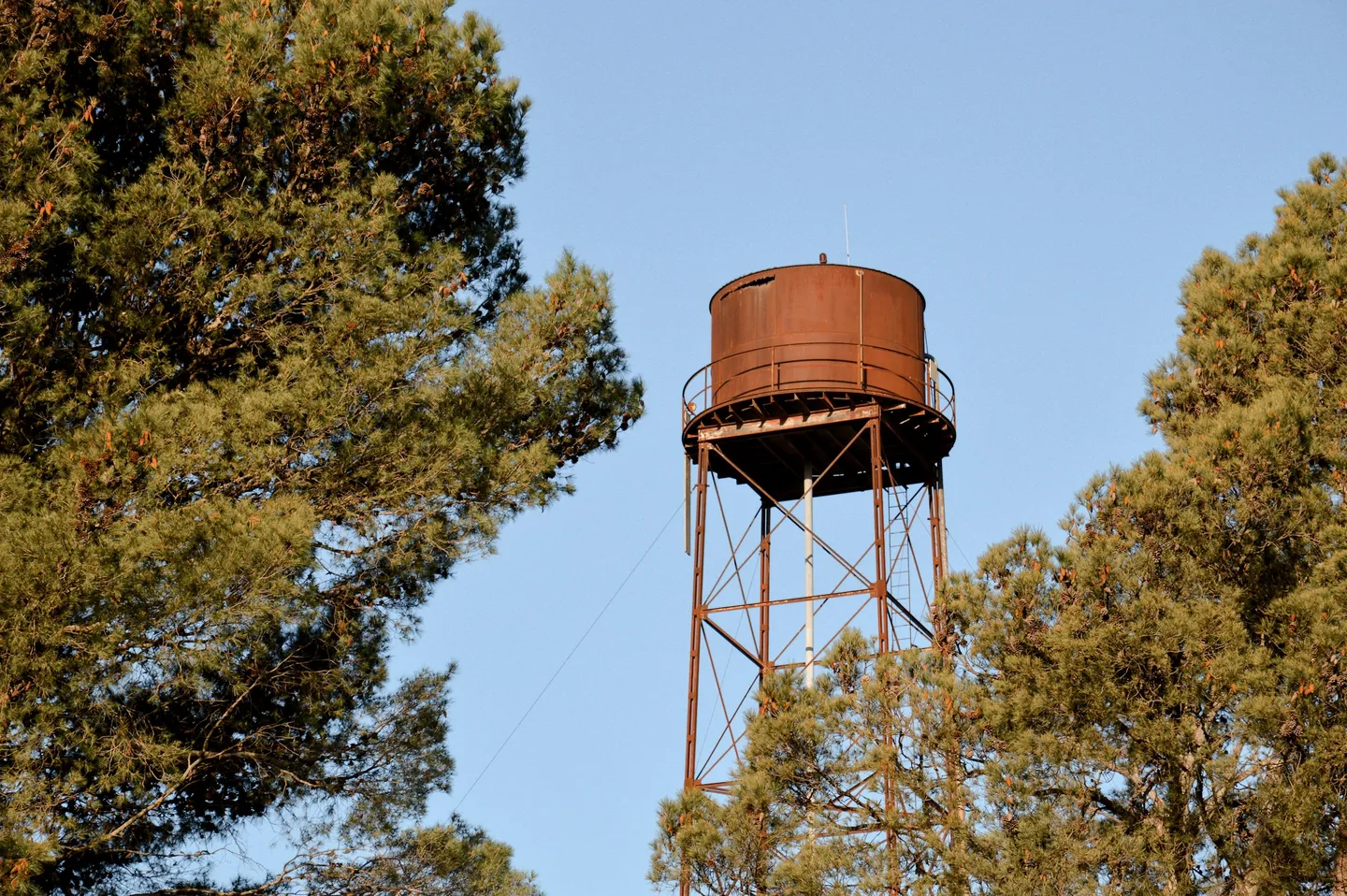
Photo by Florencia Dalla Lasta on Unsplash
The UK faces increasing drought frequency and severity, with climate projections indicating water availability could decline 10-15% by 2050. Rural property owners relying on private water supplies, boreholes, or limited mains connections face particular vulnerability. This guide provides the regulatory framework, practical solutions, and financial pathways to achieve water security across England, Scotland, Wales, and Northern Ireland.
Understanding drought management requires grasping one essential reality: there is no single definition of drought. The Environment Agency classifies drought by impact sector—environmental, agricultural, and water supply—each affecting rural properties differently. A property with a shallow spring may experience supply failure months before mains-connected neighbours face restrictions. Effective preparation means understanding your specific vulnerabilities and building appropriate resilience.
How drought is defined and regulated across the UK
The four UK nations operate distinct but interconnected drought management systems. England’s Environment Agency uses a four-stage escalation model: Normal (green), Prolonged Dry Weather (yellow), Drought (amber), and Severe Drought (red). Scotland’s SEPA prefers the term “water scarcity” and operates a five-tier system from Normal Conditions through Significant Scarcity. Wales and Northern Ireland follow similar staged approaches adapted to their devolved responsibilities.
England’s drought triggers rely on hydrological thresholds including rainfall deficits, river levels, reservoir storage, and groundwater levels. The Environment Agency monitors these through 14 operational areas, each with tailored drought plans reflecting local hydrology. When indicators fall notably low for extended periods, the system escalates through stages that unlock progressively stronger interventions.
Scotland’s Drought Risk Assessment Tool (DRAT) monitors river flow data, declaring significant water scarcity when flows fall below the Q95 threshold—lower than 95% of days in a typical year—for 30 consecutive days. SEPA publishes weekly Water Scarcity Reports from May through September, providing advance warning for abstractors and property owners.
Wales operates through Natural Resources Wales, working closely with the Environment Agency on cross-border catchments. The River Severn falls under Environment Agency drought planning while NRW leads on the Wye and Dee. The Wales Drought Liaison Group coordinates response across water companies and stakeholders.
Northern Ireland combines its Water Resource Management Plan and Drought Plan into a single Water Resource & Supply Resilience Plan, planning for drought events occurring once every 200 years. NI Water, the sole public water undertaker, coordinates with DAERA and NIEA on drought response.
Temporary Use Bans and their exemptions
Temporary Use Bans (commonly called hosepipe bans) represent water companies’ first-line response to supply pressure. Under Section 76 of the Water Industry Act 1991, these restrictions can prohibit using hosepipes for watering gardens, washing vehicles, filling pools, and cleaning patios. Penalties reach £1,000 on conviction.
Critical exemptions exist for rural properties. Watering using drip or trickle irrigation systems with pressure-reducing valves and timers remains permitted. Growing crops for commercial sale is exempt. Animal welfare takes precedence—providing drinking water and maintaining living conditions for livestock falls outside restrictions. Properties registered on the Priority Services Register for medical needs also receive exemptions.
Scotland notably lacks hosepipe ban legislation, reflecting its typically wetter climate, though SEPA can restrict abstractions during water scarcity through licence conditions.
Drought permits and orders
When voluntary measures prove insufficient, water companies can apply for drought permits from the Environment Agency (England) or Natural Resources Wales. These allow taking water from additional sources or modifying abstraction licence conditions for up to six months. The Secretary of State or Welsh Ministers can grant ordinary drought orders enabling stronger measures including restrictions on non-domestic water uses under the Drought Direction 2011.
Emergency drought orders—not used since 1976—enable standpipes and rota cuts. Their absence from recent droughts reflects improved water management, but rural property owners should not assume they are impossible. The 2022 drought, the driest since 1976, brought the UK closer to such measures than any recent event.
Understanding how droughts affect rural water sources
Different water sources respond to drought on vastly different timescales. This fundamental distinction shapes both vulnerability and planning requirements.
Mains water supplies in northern and western regions typically draw from reservoirs that can deplete within weeks of sustained dry weather but recover quickly when rain returns. Southern and eastern regions increasingly depend on groundwater, particularly the chalk aquifer underlying much of southeast England, which requires sustained winter rainfall for recharge. A dry winter creates deficits lasting months or years.
Boreholes and wells on rural properties share this groundwater vulnerability. Chalk aquifers—the most important in England—exhibit dual porosity characteristics meaning water travels slowly through the rock matrix. A borehole yielding adequately through one dry summer may fail during a multi-season drought. In 2022, the Thames source was recorded at its furthest downstream location since surveys began in 1992.
Springs represent the most vulnerable private supplies. Fed by shallow groundwater or surface infiltration, springs can fail rapidly during prolonged dry periods. Flow rates prove highly unpredictable seasonally, and quality may deteriorate as water levels drop, drawing from contaminated sources.
Private surface water abstractions from streams and rivers face both reduced availability and potential regulatory restrictions. Section 57 of the Water Resources Act allows the Environment Agency to restrict spray irrigation during exceptional drought, with licence holders receiving minimum two weeks’ notice before abstraction must cease.
Regional vulnerability patterns
East Anglia and Southeast England face the greatest drought vulnerability. East Anglia receives just 630mm annual rainfall—the UK’s driest region—and groundwater dependence means recovery from multi-season droughts takes years. In 2022, East Anglia received only 475.4mm (76% of normal), the eighth driest year since 1836.
Northern and western regions experience different vulnerability patterns. Higher rainfall and reservoir dependence create quick onset but equally quick recovery. However, 2018 demonstrated that agricultural drought can actually prove more severe in northern areas where farms are less adapted to dry conditions.
Wales recorded its driest seven-month period in 150 years from March to September 2022, receiving just 63.8% of expected rainfall. Private water supplies in rural Wales were particularly affected.
Scotland, traditionally water-abundant, is seeing increasing pressure. The spring of 2025 brought the second driest conditions in 100 years to eastern Scotland, with some rivers recording lowest flows since 1973. Distilleries brought forward summer shutdowns in response.
Water conservation: Practical measures with real savings
Effective conservation reduces vulnerability to drought while cutting water bills for metered properties. The average UK person uses 142-150 litres daily; water-metered homes use approximately 30 litres less per person per day than unmetered homes.
Indoor water efficiency
Bathrooms account for 47% of household water use. Reducing shower time from eight to four minutes saves approximately 17,000 litres annually and £45 on energy bills. Low-flow showerheads, costing £20-60, can save 9,200 litres yearly. Aerating showerheads force air into the water stream, maintaining the sensation of pressure while reducing actual water volume by around 33%.
Toilets consume 22% of household water. Older cisterns may use up to 13 litres per flush compared to modern dual-flush systems at 6/4 litres or ultra-efficient models at 4.5/3 litres. Dual-flush retrofit kits cost £20-50 and save approximately £109 annually. A “leaky loo”—often undetected—can waste 200-400 litres daily, meaning repair provides immediate and substantial savings of around £236 yearly.
Tap aerators represent perhaps the best value intervention: costing approximately £5, they reduce flow by up to 50% without affecting perceived pressure, saving £19 annually.
The UK Water Label
From 2025, mandatory water efficiency labeling covers toilets, taps, showers, dishwashers, and washing machines using an A-F rating system. The scheme could save 1.2 billion litres daily across the UK by 2038. When purchasing appliances, look for Waterwise benchmarks: washing machines using less than 50 litres per load and dishwashers using less than 10 litres per cycle qualify as water-efficient.
Garden and landscape management
Gardens offer substantial conservation opportunities for rural properties. Hosepipes use approximately 1,000 litres per hour—equivalent to most families’ entire daily indoor consumption.
Drought-resistant planting suited to UK conditions includes Mediterranean natives like cistus, lavender, and rosemary, which evolved for dry summers. The RHS Dry Garden at Hyde Hall hasn’t been watered since 2001, demonstrating what’s achievable in English conditions. Grasses like Stipa tenuissima provide year-round structure with minimal water needs.
Mulching reduces evaporation by up to 70%. Apply bark chips or gravel to a depth of 5-10cm around plants, maintaining soil moisture while suppressing water-competing weeds.
Irrigation timing matters significantly. Watering in early morning or evening reduces evaporation by up to 50%. Drip irrigation systems achieve over 90% efficiency compared to sprinklers at 50-60%. For vegetables, prioritise watering during flowering for peas, beans, and sweetcorn—the critical period for yield determination.
Leak detection
68% of UK homes have experienced water leaks. For rural properties with longer private supply pipes, underground leaks can waste enormous volumes undetected.
The water meter test provides simple DIY detection: turn off all internal water, then check if the meter continues moving. Any movement indicates a leak between meter and property. Professional leak detection services cost £550-1,250 but may be covered under home insurance “trace and access” provisions.
Smart leak detection systems range from basic sensors at £15-30 to comprehensive installed systems at £100-1,000. These provide smartphone alerts for unusual flow patterns and can prevent catastrophic water damage.
Alternative water sources: Options, regulations, and costs
Rural properties benefit from multiple options unavailable to urban residents. Understanding regulations and realistic costs enables informed investment decisions.
Rainwater harvesting
Rainwater harvesting requires no abstraction licence when collecting from roofs, making it the simplest route to supplementary supply. The current standard is BS EN 16941-1:2024, and systems must comply with Water Supply (Water Fittings) Regulations. Notification to your water authority is required before installation as it constitutes a “material change of use.”
Basic water butts cost £70-150 and provide garden irrigation with minimal investment. For greater capacity, above-ground systems with pumps cost approximately £750-1,500.
Underground domestic systems including tank, filter, pump, pipes, and control unit cost £2,000-3,000 for equipment plus £2,000-4,000 for professional installation—total cost typically £4,000-7,000. Running costs amount to just 5-10p weekly for pump electricity.
Rural properties often have significant advantages: larger roof areas across multiple buildings generate substantial collection potential. A property with 200m² of house roof plus 400m² of barn and outbuilding roofs captures 600m² of rainfall. In northwest England (1,200mm annual rainfall), this could yield over 500,000 litres annually.
Rainwater harvesting cannot supply potable water without additional treatment but can reduce mains consumption by 40-50% for toilet flushing, laundry, and garden use. Domestic payback periods run 7-10 years; agricultural installations with higher consumption can achieve payback within 1-2 years.
Boreholes and wells
Boreholes offer potentially unlimited water supply independent of mains infrastructure or drought restrictions. However, drilling involves significant upfront investment and no guarantee of success.
Hydrogeological surveys (£900-1,500) assess likelihood of finding adequate water and identify optimal drilling locations. This investment provides crucial information before committing to drilling.
Drilling costs vary by geology: soft chalk runs £70-130 per metre while hard granite costs up to £130+ per metre. Including lining, typical costs are £190-250 per metre. Average UK boreholes reach 60 metres depth.
Total project costs for average-depth boreholes including drilling, pump, controls, and basic installation run £10,000-16,000. Adding UV treatment and filtration for drinking water brings totals to £13,000-20,000. Challenging terrain or greater depths can push costs into the mid-£20,000s.
Abstraction licensing provides a critical threshold: abstractions under 20 cubic metres (20,000 litres) per day require no licence. This quantity comfortably covers domestic needs—average household consumption runs approximately 350-450 litres daily for a family of three. Exceeding the threshold triggers licence applications costing £2,150+ with annual charges thereafter.
Springs
Springs offer low ongoing costs but present significant challenges. Flow rates prove unpredictable seasonally, and springs are highly vulnerable to surface contamination. Development costs for collection systems, storage, and treatment typically run £4,000-10,000.
If springs supply more than your own single dwelling—including holiday lets, B&Bs, or rented properties—Private Water Supplies Regulations apply, requiring registration with local authorities and regular water quality testing.
Surface water abstraction
Abstracting from rivers, streams, or ponds over 20 cubic metres daily requires Environment Agency licensing. Application fees run £2,150-4,300 depending on volume, with annual charges of £500-2,000+. Critically, most surface water licences include “hands-off flow” conditions requiring abstraction to cease when river levels fall below specified thresholds—precisely when you most need water.
Many catchments, particularly in eastern and southern England, are already over-abstracted with no new licences available. The alternative is purchasing abstraction rights from existing licence holders, with agricultural irrigation water valued at approximately £0.50 per cubic metre.
Managing private water supplies during drought
Approximately one million people in England rely on around 40,000 private water supplies. Rural properties with private supplies face distinct regulatory requirements and drought vulnerabilities.
Regulatory framework
The Private Water Supplies (England) Regulations 2016 (as amended 2018) categorise supplies by size and use:
Single domestic dwellings face no routine mandatory monitoring unless requested or the property is rented.
Small supplies serving fewer than 50 people and less than 10 cubic metres daily require local authority risk assessment every five years and sampling at the same interval.
Large and commercial supplies—including any property with paying guests such as B&Bs, holiday lets, or rented accommodation—require annual sampling with more extensive testing.
Scotland, Wales, and Northern Ireland operate equivalent regulations adapted to devolved responsibilities.
Compliance costs vary by local authority. Risk assessments typically cost £300-500, sampling visits £80-100, and comprehensive analysis suites around £150-300 per test. Local authorities can now charge actual costs following 2018 amendments removing fee caps.
Maintaining supply quality during drought
Drought stresses private supplies in multiple ways. Lower flows can concentrate contaminants. Groundwater sources may draw from greater distances, potentially accessing contaminated zones. Surface-fed supplies become more vulnerable to pollution.
Key protective measures include ensuring source protection through adequate fencing and sealed borehole headworks; maintaining treatment system effectiveness with more frequent checks during drought; regular inspection of storage tanks for contamination risks; and maintaining backflow protection at all distribution points.
If supply fails entirely, local authorities have limited obligation to provide alternatives. The exception arises where danger to life or health exists—local authorities can then require water companies to provide emergency supply via bottled water or bowsers, but costs are recoverable from the property owner. Establishing framework agreements with local water companies in advance provides some security.
Agricultural and livestock water management
Farms face particular drought pressures given high water demands and legal animal welfare obligations. DEFRA’s target aims to increase farming sector water storage by 66% by 2050.
Livestock water requirements
Lactating dairy cows require 60-100 litres daily; lactating sows and gilts need 15-30 litres. The Animal Welfare Act 2006 creates a legal duty to provide adequate fresh drinking water daily. Animals likely to suffer distress if deprived of water for more than 24 hours—prosecution for causing unnecessary suffering represents a real risk during drought.
Water companies classify livestock farms as Category 4 Sensitive Customers, recognising vulnerability during supply interruptions. However, farms rank below hospitals and other critical services for priority supply. During the 2025 drought, Severn Trent distributed 700 bowsers to farmers, but self-reliance remains essential.
Reducing water stress
Practical measures include reducing dry matter content of feed by replacing concentrate with silage, which reduces animals’ water consumption. Calculating daily water usage through tools like the AHDB Dairy Water Audit enables accurate planning. Installing adequate storage to buffer at least 24 hours of requirements provides essential resilience.
Abstraction licensing for agriculture
Agricultural abstractions follow the same 20 cubic metres daily threshold as domestic use. Above this level, licence applications cost £2,150-4,300 with annual charges based on volume—typical spray irrigators using 99 megalitres annually face approximately £1,783 in annual charges.
Hands-off flow conditions attached to many licences require cessation of abstraction when river flows fall below specified thresholds. During drought, the Environment Agency can impose Section 57 restrictions specifically targeting spray irrigation, with minimum two weeks’ notice before restrictions take effect.
Water trading offers flexibility during shortages. Licence holders can trade water rights within the same catchment without permanent licence changes. The Environment Agency fast-tracks such arrangements during drought, and neighbouring farms may find collaborative agreements beneficial.
Financial support for water infrastructure
Substantial funding exists for water efficiency and resilience improvements, though schemes vary across UK nations and change frequently.
England: Farming Investment Fund
The Water Management Grant provides £35,000-500,000 covering up to 40% of project costs for on-farm reservoirs and irrigation efficiency improvements. Eligibility requires arable or horticultural businesses growing irrigated food crops, ornamentals, or forestry nurseries.
The Farming Equipment and Technology Fund (FETF) offers £1,000-25,000 at 40-60% grant rates for water meters, monitoring equipment, rainwater harvesting, and precision irrigation technology.
Countryside Stewardship Capital Grants include £150 million in 2025 for water quality improvements and natural flood management measures that can enhance drought resilience.
Scotland
The Crofting Agricultural Grant Scheme (CAGS) provides up to 80% funding, maximum £25,000 individually or £125,000 for groups, for water supplies and infrastructure. Eligibility extends to tenant and owner-occupier crofters in the Highlands and Islands living within 20 miles of their croft.
Wales
Small Grants – Environment (Water) offers up to £7,500 per application window for capital works improving water quality and environmental outcomes. The Sustainable Farming Scheme launching January 2026 will provide ongoing support.
Farm Business Grants cover rainwater harvesting up to 10,000 litres above-ground or 20,000 litres below-ground including appropriate filters and guttering.
Northern Ireland
The Farm Business Improvement Scheme provides 40% funding for Tier 1 projects (£5,000-30,000), including water efficiency equipment. Environmental Farming Scheme offers capital support specifically for off-grid livestock watering systems.
Water company assistance
Most UK water companies offer free water-saving devices through the Save Water Save Money platform: toilet cistern bags, low-flow showerheads, tap aerators, and shower timers. Some provide subsidised water butts at 100-200 litre capacity.
WaterSure caps bills at the regional average for metered customers on means-tested benefits who either have a medical condition requiring extra water or have three or more children under 19 living at home.
Company-specific social tariffs offer additional support. Thames Water’s WaterHelp provides 50% bill reduction where bills exceed 5% of net household income. Severn Trent’s Big Difference offers up to 70% discount for households earning under £22,010. Over two million households currently receive financial support, expected to triple by 2029-30.
Tax implications
Annual Investment Allowance covers water infrastructure as plant and machinery, providing 100% first-year deduction up to £1,000,000 annually. Eligible items include rainwater harvesting equipment, pumps, water meters, filtration systems, and irrigation equipment.
VAT applies at the standard 20% rate to most water infrastructure installations, though some agricultural projects may qualify for zero-rating—verify specific circumstances with HMRC.
Emergency response during severe drought
Understanding emergency procedures before they’re needed enables effective response when supplies fail.
Water company emergency supply
Water companies must provide at least 10 litres per person within 24 hours of supply failure, increasing to 20 litres daily for prolonged events. Emergency supply can come via bottled water, bowsers (mobile tanks), or standpipes.
Priority Services Register membership ensures vulnerable customers—elderly, disabled, those with young children or medical conditions—receive priority bottled water deliveries during outages. Registration is free through your water company.
For planned supply interruptions exceeding four hours, water companies must provide 48 hours’ written notice. Emergency repairs require supply restoration within 12 hours of the company becoming aware, with £20 compensation for breaches.
Reporting supply failure
For mains-connected properties, contact your water company directly. For private supplies, contact your local authority’s environmental health department. The Environment Agency incident hotline operates 24 hours at 0800 80 70 60 for reporting environmental incidents including water pollution.
Where private supply failure poses danger to life or health, local authorities can require water companies to provide alternative supply—but remember costs fall to the property owner.
Animal welfare emergencies
Calculate your daily livestock water requirements and ensure minimum 24-hour emergency supply storage. Develop written contingency plans identifying alternative sources: neighbours for water sharing, commercial emergency providers, or water company bowsers (though supply is not guaranteed).
The Addington Fund offers emergency grants for farmers struggling due to drought impacts, including provision of feed, fodder, and straw to prevent animal welfare crises. Contact: 01926 620135.
Fire safety considerations
Drought significantly increases wildfire risk—983 wildfires occurred in England and Wales during the 2022 drought compared to 247 in 2021. Building Regulations require adequate water supply for firefighting; where no hydrant exists within 100 metres of buildings with compartments exceeding 280m², alternative supply such as a static tank of minimum 45,000 litres is required.
Contact your local fire and rescue service’s water planning officer to discuss rural property requirements. Maintain water sources accessible year-round and clear vegetation around buildings during drought conditions.
Regional approaches and lessons from recent droughts
The 2022 drought
The 2022 drought represented the most significant event since 1976, bringing the joint-hottest summer on record. March through August saw six consecutive months of below-average rainfall; July was the driest month since 1935 for England at 56% of average.
Seventeen of eighteen water companies activated drought plans. Thirty drought permits were issued—more than any previous year. Five water companies implemented hosepipe bans affecting 19 million people. National reservoir storage fell to 49% by September.
Environmental impacts proved severe: nearly 25,000 wildfires, widespread algal blooms and fish kills, stressed trees including ancient specimens, and disrupted eel and salmon migration. Agricultural impacts included widespread crop yield reductions and livestock farmers depleting winter feed stocks.
Key lessons included the speed of onset challenging water management and public communication, the importance of pre-drought planning and early action, and demonstration of vulnerability to short, intense droughts combined with high temperatures.
The 2018-2019 drought
The 2018 drought formed part of a prolonged dry period from 2016-2019. June 2018 saw hosepipe bans in Northern Ireland, 10 major fish kill incidents in central, southern and eastern England, and the Saddleworth Moor fire burning for 24 days. Six drought permits were issued in the North West and Yorkshire.
A crucial lesson emerged: water supply impacts were moderated by wetter conditions before and after the heatwave. The sequence of wet and dry periods proves critical to outcomes.
Regional patterns
East Anglia and Southeast England face multi-season drought vulnerability due to groundwater dependence. Recovery takes months or years of above-average winter rainfall. These regions should prioritise long-term storage and efficiency measures.
Northern and Western England experience rapid onset and recovery, with reservoir levels responding quickly to rainfall. Quick-response contingency planning suits these areas.
Scotland’s eastern regions are becoming increasingly vulnerable, with 2025 bringing record low spring flows to some catchments. Traditional assumptions about Scottish water abundance require revision.
Wales demonstrated unexpected vulnerability in 2022, experiencing its driest seven-month period in 150 years. Private supplies in rural Wales were particularly affected.
Building long-term drought resilience
Climate projections indicate drought frequency may increase two to three-fold under climate change scenarios. By 2050, projected water shortfall reaches nearly five billion litres daily without action. Rural property owners should plan for a future with more frequent and severe droughts.
Property-level planning
Calculate your water requirements precisely—both daily consumption and minimum emergency reserves. Install monitoring to track actual usage and identify trends or leaks.
Develop written contingency plans identifying actions at each drought stage: initial conservation measures, secondary supply activation, and emergency responses. Know your neighbours’ capabilities for potential water sharing.
Invest in diversity of supply where feasible. Properties with only one water source face complete failure risk; those with mains backup to borehole or rainwater harvesting maintain options when primary supplies fail.
Infrastructure priorities
For most rural properties, the sequence of investment should typically follow:
- Water efficiency measures (£100-500): Low-flow fixtures, leak detection, efficient appliances—immediate returns, minimal investment
- Rainwater harvesting (£1,000-7,000): Reduces mains dependence, provides drought-proof garden water, enables expansion to toilet flushing and laundry
- Enhanced storage (£500-3,000): Holding tanks buffer supply interruptions, enable bulk water delivery during emergencies
- Alternative supply (£10,000-20,000): Boreholes provide long-term independence but require significant upfront investment
Recovery timescales
Understanding recovery helps calibrate preparation. Surface water and reservoirs can recover within weeks of sustained rainfall. Shallow groundwater takes several months. Deep aquifers in chalk and limestone may require one to two years of above-average winter rainfall for full recovery.
Properties in southern and eastern England drawing from deep groundwater should plan for multi-season drought events where supply remains stressed even after apparent surface recovery.
Conclusion
Drought resilience for UK rural properties requires understanding your specific vulnerabilities, investing appropriately in infrastructure and efficiency, and maintaining active contingency plans. The regulatory framework provides some protections through water company drought plans and emergency supply obligations, but rural properties—particularly those with private supplies—must ultimately achieve self-reliance.
Three immediate actions offer starting points regardless of current infrastructure: calculate your actual water consumption to understand requirements; identify your most vulnerable supply points and develop specific contingency responses; and implement no-cost and low-cost efficiency measures that reduce baseline demand.
The 2022 drought demonstrated both the intensity of pressure UK water supplies can face and the effectiveness of coordinated response. With climate change increasing drought frequency and severity, investments in water resilience made now will prove their value repeatedly in coming decades. Properties that achieve robust water security will maintain functionality when neighbours face restrictions or failure—an increasingly valuable characteristic as drought events become more common across all UK regions.