
Navigating the Path of Electric Vehicles Adoption in Rural Areas
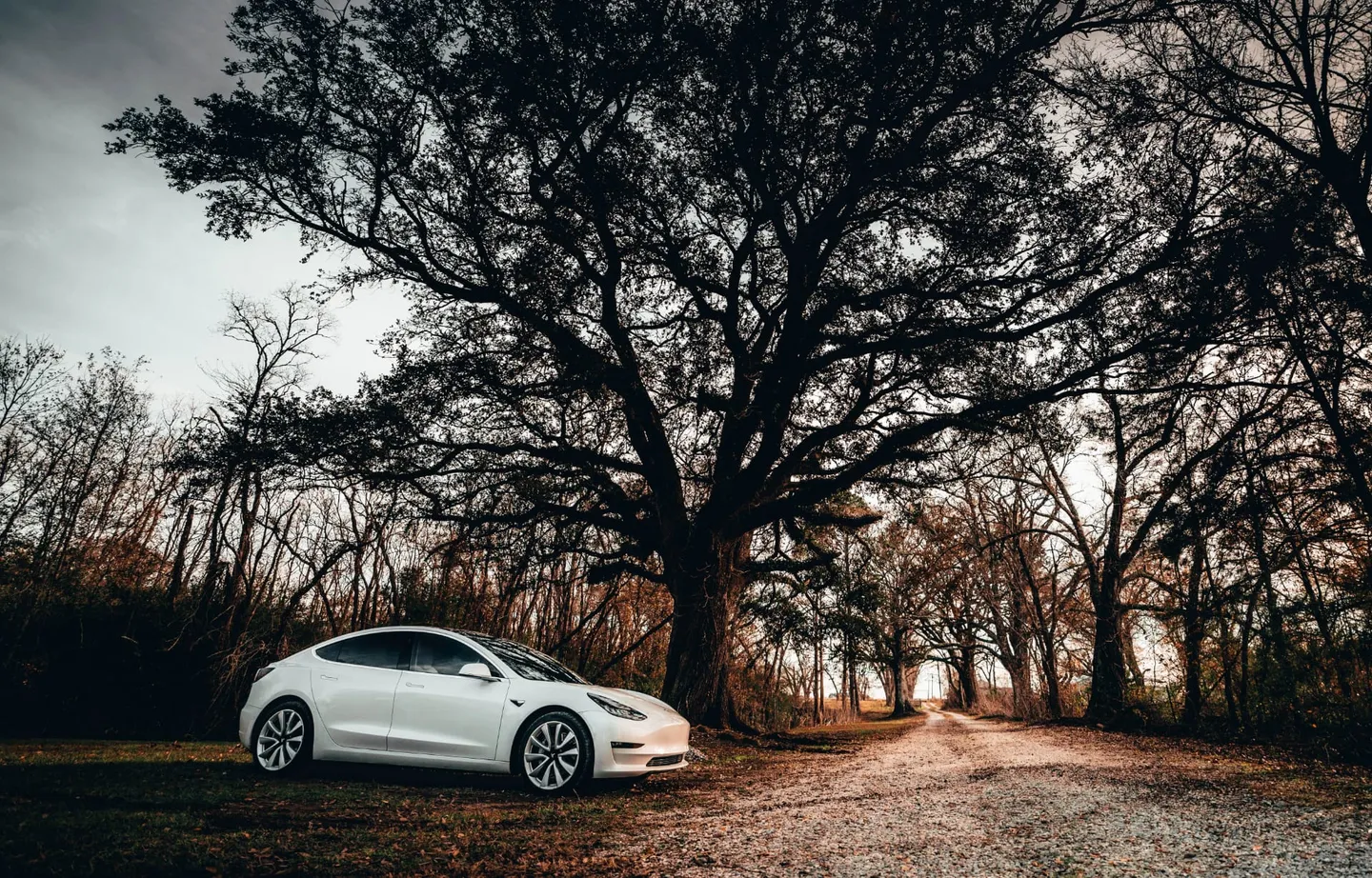
Photo by Austin Ramsey on Unsplash
The transition towards electric vehicles (EVs) in urban areas is gaining momentum, accelerated by initiatives like the Inflation Reduction Act. However, the shift in rural regions presents unique challenges and opportunities.
Electric vehicle adoption in urban areas is picking up speed, helped along by initiatives like the Inflation Reduction Act. But the shift in rural regions tells a different story, with its own set of challenges and opportunities.
Mitch Stults, a sales manager living in Muscle Shoals, Alabama, tried going electric because of the high fuel costs on his daily 110-mile commute. He switched from a King Ranch pickup to a Tesla Model Y. But the Tesla couldn’t handle off-road conditions, and range anxiety was a constant worry. He went back to a GMC Duramax diesel pickup within three months.
Stults’ experience speaks to a broader pattern in rural America, where distances are greater and EV infrastructure is thin on the ground. Rural areas make up about 20% of the U.S. population but account for 68% of the nation’s lane miles. People in these areas drive roughly 4,000 miles more per year than urban drivers.
The rollout of EV infrastructure has been slower in rural areas, much like broadband and, before that, electrification during the New Deal era. Nicholas Jacobs, a professor at Colby College, points to the higher costs and logistical headaches of covering large rural spaces with infrastructure.
Despite $7.5 billion in federal investment for EV transition, rural America lags in both EV adoption and charging infrastructure compared to cities. Richard Mohr of ChargePoint notes that rural charging stations are growing fast, but overall density remains low.
EV registrations in rural areas are well below urban levels, with most rural counties registering less than 0.5% new EVs per 10,000 people. Carnegie Mellon University research suggests that better technology will eventually push EV adoption higher in rural communities. But demand for electric pickups remains complicated, held back by limited availability and political attitudes.
Politics
Politics and class divisions play a real role in rural EV adoption. Many rural areas view electrification through a lens of political and cultural resistance. This sentiment sometimes shows up as “ICE-ing,” where combustion engine vehicles deliberately block EV charging spots.
Financial barriers also slow things down. Average EV prices exceed rural per capita incomes, and the added costs of home charging installations put EVs out of reach for many lower-income rural residents.
Technology Challenges
Grid and technology issues add another layer of difficulty. Local infrastructure, such as transformers, needs upgrading to support widespread EV use. There is also concern about shifting pollution from urban to rural areas as demand on rural power plants increases.
High-demand periods for public charging, particularly during holidays, could strain rural charging resources. Home charging covers daily needs for most owners, but public chargers are essential during peak travel times.
Rural electrification faces real hurdles. But technology is improving and interest is growing. Mitch Stults, despite going back to diesel, says he would consider going electric again. That willingness, even after a failed attempt, says something about where things are heading, slow as the process might be.
Source: https://www.theverge.com/23987669/ev-charging-rural-america-challenges-politics