
Roof Maintenance for Country Homes: Inspection and Repair Guide
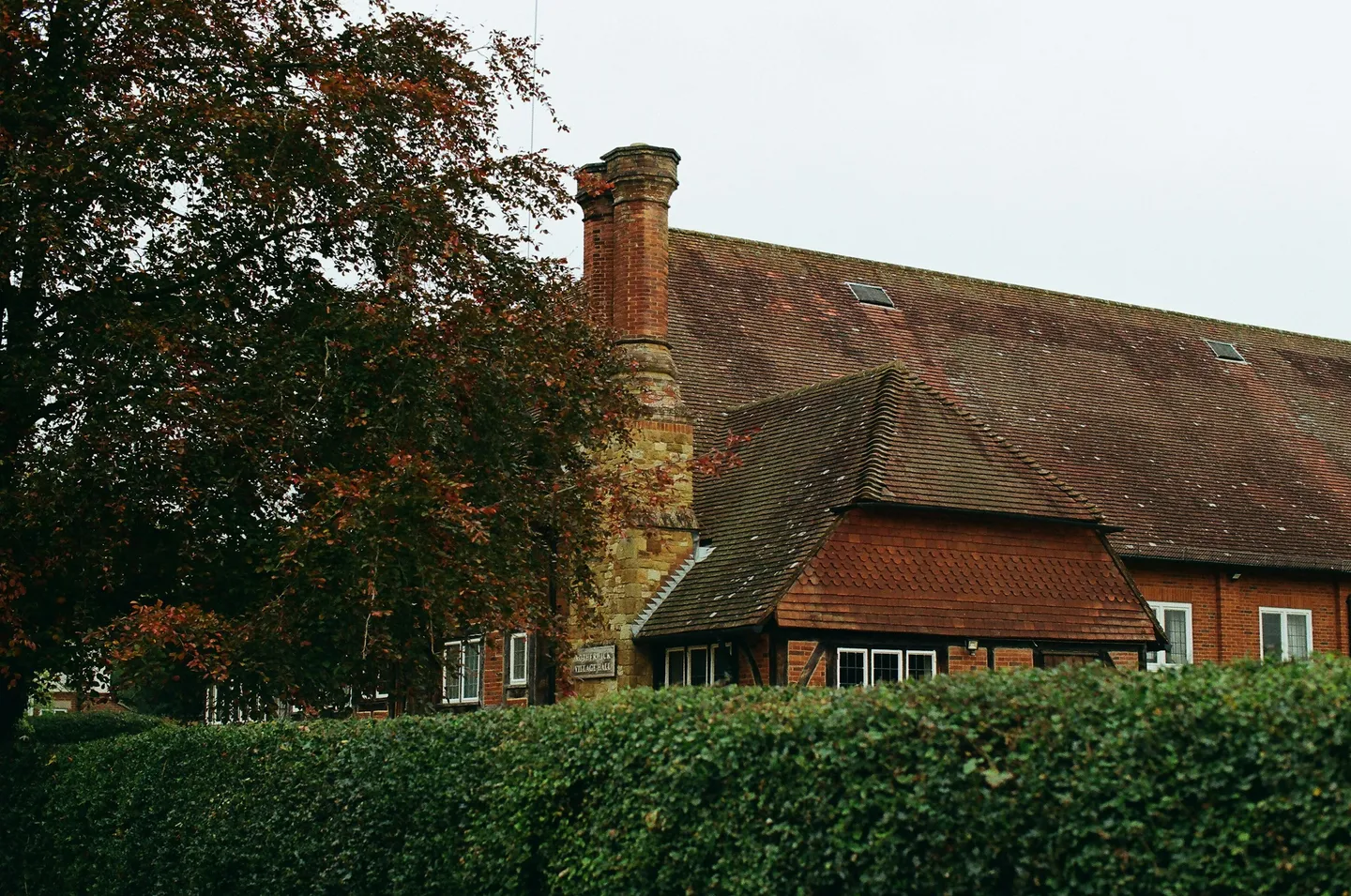
Photo by Tanya Barrow on Unsplash
Rural property owners in the UK face distinct challenges when maintaining their roofs. From sourcing authentic Welsh slate to navigating listed building consent, country homes require specialist knowledge that urban properties rarely encounter. This guide covers inspection procedures, repair costs, regulatory requirements, and the practical realities of maintaining roofs in exposed rural locations across England, Scotland, Wales, and Northern Ireland.
The UK’s rural housing stock includes remarkable diversity in roofing materials, many with lifespans exceeding a century when properly maintained. Welsh slate can last 150-200 years, while water reed thatch typically delivers 40-60 years of service. Rural locations bring complications that urban properties avoid: limited specialist contractors, access difficulties, higher costs, and weather exposure that accelerates deterioration.
Regional roofing materials across the UK
Britain’s geological and agricultural history created distinctive regional roofing traditions that remain relevant today, particularly for properties in conservation areas or with listed status.
Welsh slate from North Wales quarries represents the premium standard, with guaranteed lifespans of 100+ years and practical service often reaching 150-200 years. Its ultra-low water absorption and resistance to frost make it suited to exposed rural locations. Westmorland green slate from the Lake District commands premium prices for its distinctive colouring. This material has covered buildings from Buckingham Palace to Lake District farmhouses for over 400 years. Scottish slates, now largely unavailable new, include Ballachulish and Easdale varieties, typically replaced with CUPA PIZARRAS Heavy 3 Spanish slate as the closest match.
Cotswold stone slates, technically oolitic limestone rather than true slate, create the honey-coloured roofscapes of Gloucestershire and surrounding counties. These last 100-200 years but weigh significantly more than other materials, requiring robust roof structures. Yorkshire stone flags cover properties across the Pennines and northern England. These materials typically cannot be substituted on listed buildings, making sourcing reclaimed stone tiles essential for repairs.
Plain clay tiles, regulated to standard dimensions since 1477, predominate in southeast England. Pantiles, the distinctive S-profile tiles imported from the Netherlands as ship ballast from the 17th century, dominate east coast properties from Yorkshire to Kent. Conservation officers typically require matching materials in sensitive areas.
Approximately 60,000 thatched properties survive across England, concentrated in East Anglia (water reed), the West Country (combed wheat reed), and central and southern counties (long straw). Each material has distinct characteristics and lifespans. Water reed lasts 40-60 years with a neat, cropped appearance. Combed wheat reed provides 25-40 years of service. Long straw delivers 15-25 years but creates the distinctive shaggy appearance prized in heritage contexts.
Standing seam zinc, with a lifespan of 60-100+ years, increasingly appears on barn conversions and contemporary rural homes. Corrugated sheeting remains standard for agricultural buildings. Copper provides a traditional premium option for prestigious buildings, developing its characteristic green patina over decades.
Seasonal inspection routines
Regular inspection represents the most effective way to control roof maintenance costs. Problems caught early typically cost £150-£500 to address. Neglected issues can escalate to thousands of pounds in repair costs.
Spring inspections identify winter storm damage and moss growth. Autumn checks prepare roofs for challenging winter months. Properties in exposed rural locations benefit from additional post-storm inspections after gales exceeding 55mph.
Using binoculars or a zoom camera, check for missing, cracked, or slipped tiles and slates. Look for sagging ridgelines and visible gaps in ridge or verge tiles. Examine chimneys for deterioration and gutters for alignment issues. Note moss or vegetation growth patterns. Document findings with photographs and dates. This record supports insurance claims and demonstrates maintenance history to potential buyers. Properties with documented maintenance achieve 68% better insurance settlement rates.
Turn off lights in the loft and look for pinpoints of daylight indicating gaps or missing tiles. Check for condensation signs including water droplets, mould speckling on timbers, musty smells, or damp insulation. Examine structural members for sagging, splitting, or rot. Look for woodworm holes, which appear as small 1-2mm round openings, and water staining indicating historic or ongoing leaks.
Professional surveys become essential when you suspect structural problems such as sagging or spreading, experience persistent leaks, notice chimney instability, or own heritage properties requiring specialist assessment. Any situation requiring scaffold access warrants professional involvement. Basic professional roof inspections cost £150-£400, averaging around £250. Comprehensive RICS Level 3 Building Surveys examining roof structure in detail run £900-£1,500 or more. Drone surveys offer safe access to difficult roofs for £300-£700.
Common problems in exposed locations
Rural properties face intensified versions of standard roofing challenges. Weather exposure, wildlife, and vegetation create particular problems that demand prompt attention.
Wind speeds in exposed rural and coastal locations run 30% or more higher than sheltered urban settings. Edge and corner zones experience greatest uplift pressure, creating chain effects where one displaced tile leads to multiple failures. Amber weather warnings, indicating 40-50mph gusts, make structural roof damage likely. Red warnings, with 50mph+ winds, can cause severe damage. Post-storm inspection should become routine practice for rural homeowners.
Birds nesting in gutters, chimneys, and under eaves cause blockages and displacement damage. Active nests are protected under the Wildlife and Countryside Act 1981 and cannot be disturbed. Rodents gnaw through soffits and fascias, damage insulation, and create fire risks by chewing electrical wiring. Bats, fully protected species, roost in rural lofts. Their presence requires Natural England licensing before any work can proceed. Woodworm, specifically the common furniture beetle, thrives in damp conditions. Over decades, these insects weaken structural timbers through their larvae’s feeding patterns.
North-facing elevations near trees develop moss, lichen, and algae colonies. These growths hold moisture against tiles, add weight, and lift tiles through root penetration. Treatment requires careful manual removal, never pressure washing, which damages tiles and drives water under coverings. Follow removal with biocide application. Installing zinc or copper strips at ridges provides long-term prevention as rainwater washes metal particles down the roof.
Sagging ridgelines, spreading rafters where walls visibly bulge outward, and failing trusses indicate serious problems demanding structural engineer involvement. Victorian properties with raised tie-beam construction prove particularly susceptible. Modern trussed rafter roofs from the 1970s onwards rarely develop spreading issues but can fail if web members have been removed during ill-conceived loft conversions.
Lead expands and contracts with temperature changes, eventually developing stress cracks. Quality leadwork lasts 50-80+ years, but older properties may have original flashings now reaching end of life. Lead theft remains a significant rural concern, particularly for remote properties and churches. Consider security marking and, where appropriate, terne-coated stainless steel alternatives that match lead’s appearance.
DIY work versus professional intervention
Understanding the boundary between appropriate DIY work and professional requirements protects both safety and investment value.
Ground-level visual inspection with binoculars falls within homeowner capability, as do basic loft inspections checking for daylight, damp patches, and water staining. Gutter clearing from stable ladders at ground-floor level presents acceptable risk for most property owners. Moss removal using soft brushes, debris clearance from accessible areas, and thorough documentation with photographs for insurance purposes remain suitable for DIY approach.
Any task requiring physical roof access demands qualified contractors. Lead flashing repairs, multiple tile or slate replacements, ridge repointing and rebedding, complex valley repairs, chimney work, and all structural repairs require professional skills and appropriate safety equipment. Work on listed buildings requires contractors experienced with heritage properties and, frequently, Listed Building Consent before commencement.
Storm damage, significant leaks, and structural failures need urgent professional attention. Temporary tarping costs £150-£600 professionally installed. Emergency call-out fees run £150-£300 with repairs typically £250-£2,000 depending on damage extent. Winter and weekend work attracts 30-50% premiums. Keeping emergency contact details for a trusted local roofer established before any crisis proves invaluable for rural homeowners.
Repair approaches for different materials
Each roofing material demands appropriate repair approaches, with heritage properties requiring particular care to preserve integrity and appearance.
Tingles, which are copper or lead strips, secure replacement slates when original nail positions cannot be accessed. Copper nails or stainless steel ringshank nails provide durable fixings. Nail sickness, the corrosion of iron nails after 70+ years, represents the primary failure mode for older slate roofs. This condition causes widespread slate slippage as the fixings deteriorate. The Society for the Protection of Ancient Buildings recommends considering full reslating when repairs exceed one-fifth of roof coverage. Matching slates in type, colour, texture, and thickness maintains building character.
Cotswold stone tiles, Yorkshire flags, and similar regional materials cannot be substituted on listed buildings. Reclaimed material suppliers provide matching materials, though availability varies significantly. Major reclaimed slate suppliers include JRC Specialist Slate Suppliers in Lancashire, Cawarden Reclaim in Derbyshire, and The Reclaimed Company offering nationwide delivery. Allow 10% wastage for complex roofs with valleys and skylights.
Interlocking tiles rely on lugs and weight. Damaged tiles require lifting those above for removal and replacement. Colour matching presents challenges on older roofs. Reclaimed tiles may be necessary for acceptable results.
Small cracks in lead can be temporarily addressed with lead sealant and patch welding. Extensive cracking, lifting from mortar chases, or thermal fatigue damage requires professional replacement. Chimney flashing replacement runs £450-£600 without scaffolding. With scaffold access, costs increase to £900-£1,100.
Sourcing traditional materials
Finding authentic replacement materials for period properties requires specialist knowledge and patience.
When ordering reclaimed materials, request slates from the same batch for colour consistency. Allow 5-7% waste for transport and installation breakage. Check quality by tapping. A clear ring indicates good condition. Major reclaimed slate suppliers include JRC Specialist Slate Suppliers in Lancashire, Cawarden Reclaim in Derbyshire, The Reclaimed Company with nationwide delivery, and regional specialists throughout the UK.
Cotswold tiles come from regional salvage yards and specialist suppliers. Yorkshire stone flags require northern suppliers with Pennine connections. Properties in conservation areas or with listed status may face planning conditions specifying material provenance.
Over 80% of water reed now comes from Turkey, Eastern Europe, and China, with domestic supply insufficient for demand. Historic England has warned of straw shortages threatening thatched cottages. Brexit and the Ukraine conflict caused reed prices to quadruple in some regions. Water reed costs approximately £600-£900 per tonne, with typical cottages requiring 4-6 tonnes. Combed wheat reed runs around £350-£500 per tonne. Long straw, the least expensive option, costs approximately £250-£400 per tonne.
Finding qualified tradespeople in rural areas
Limited contractor availability represents one of the most significant challenges for rural property owners.
The National Federation of Roofing Contractors represents 1,200+ vetted members who undergo triennial inspections covering financial stability, health and safety compliance, technical competence on live contracts, and insurance verification. Their Competent Person Scheme allows self-certification of Building Regulations compliance for roof refurbishment work. Members automatically issue Building Regulations Compliance Certificates and 10-year Insurance-Backed Guarantees for domestic work. Find NFRC members through their online directory, which allows searching by location and specialty.
The National Heritage Roofing Contractors Register, supported by Historic England, Cadw, and Historic Scotland, identifies contractors qualified for traditional roofing work. The National Society of Master Thatchers provides a vetted database of approximately 350 thatchers meeting quality standards. Note that “master thatcher” is an unregulated title that anyone can use. NSMT membership provides verification of actual competence.
Checkatrade, MyBuilder, TrustATrader, and Rated People provide customer reviews and trade verification. Always confirm NFRC membership, current insurance certificates, and specific experience with your roof type directly with contractors. Book well in advance. Rural specialists often have months-long waiting lists. Request references from other rural property owners. Ask about experience with traditional materials and exposed locations. Verify insurance coverage extends to remote locations. Get multiple quotes, though expect less competitive pricing due to reduced competition and travel costs.
Preventive maintenance schedules
Systematic maintenance dramatically extends roof life and prevents expensive emergency repairs.
Conduct professional inspection after the winter season. Check for storm damage including slipped or cracked tiles and damaged flashing. Inspect loft spaces for damp, condensation, and daylight penetration. Clear gutters of winter debris. Organise moss treatment where needed. Trim overhanching branches to improve roof drying. Check roof vents for blockages.
Clear gutters weekly during leaf fall if surrounded by trees. Verify ridge tiles remain secure. Inspect flashing around chimneys. Apply moss treatment if needed. Replace damaged tiles before winter. Check chimney and verge pointing. This represents the most important maintenance window. Winter damage to unprepared roofs costs significantly more to address than preventive work completed in autumn.
Clean gutters minimum once yearly in late autumn. Properties near trees require twice-yearly or quarterly clearing. Rural areas with heavy deciduous tree coverage may need monthly autumn checks. Blocked gutters cause water backup, overflow damage to fascias and walls, and foundation issues from saturated ground. In exposed locations, blocked gutters combined with driving rain can force water through roof coverings that would otherwise remain watertight.
Cold roofs, with insulation at ceiling level, require 25mm continuous ventilation at eaves and 5mm gaps at ridges. Warm roofs, with insulation between rafters, need minimum 50mm air gaps between insulation and underlay. Signs of inadequate ventilation include loft condensation, mould on roof timbers, and damp insulation. These conditions lead to timber decay that can compromise structural integrity over time.
Building Regulations requirements
Understanding when work triggers regulatory requirements prevents compliance problems during property sales.
When 50% or more of roof area is replaced, refurbished, or re-covered, the entire roof must be upgraded to current thermal efficiency standards. Target U-values for pitched roofs run 0.15-0.18 W/m²K, significantly more stringent than historic construction achieved. Non-compliance carries maximum fines of £5,000 per offence and can prevent property sale without compliance certificates.
Minor patch repairs under 25% of roof area, individual slate or tile replacement, ridge tile rebedding, and gutter maintenance fall outside Building Regulations scope. Work on unheated outbuildings and garages without fixed heating is also exempt.
Where insulation upgrades would adversely affect historic fabric in listed buildings, Part L dispensations may apply. This requires explicit discussion with both Building Control and Conservation Officers. Any work affecting a listed building’s character or appearance requires Listed Building Consent. Unauthorized work constitutes a criminal offence.
Scotland operates under Building (Scotland) Regulations 2004, requiring building warrants rather than building notices. Minimum U-values after alteration are 0.35 W/m²K, less stringent than England and Wales. Northern Ireland uses Technical Booklets, with F1 and F2 covering energy efficiency. These are administered through 26 councils and 5 Group Building Control Offices.
Listed Building Consent requirements
Properties with listed status face additional regulatory requirements that significantly affect repair and maintenance approaches.
Re-roofing affecting more than 50% of any individual roof slope requires consent. Changing covering materials, even between slate types or thatch varieties, triggers requirements. Altering roof shape or height, adding rooflights, and changes affecting chimneys all require Listed Building Consent. Changing from long straw to water reed thatch typically triggers consent requirements because regional traditions and historic appearance differ, even though both are thatching materials.
Replacing individual slates or tiles with exact matches, localised patch repairs using identical materials, and simple loft insulation laid between joists typically avoid consent requirements. Verification with the local Conservation Officer provides certainty.
Authentic materials must be used where possible. Lead rainwater goods should be repaired with lead unless subject to theft risk. For Grade I and II* listed buildings, pre-application advice from Historic England itself is recommended. All Listed Building Consent applications require Heritage Statements demonstrating understanding of the building’s significance.
Unauthorized work constitutes a criminal offence with potential prosecution. Enforcement action can require reversal of works at owner’s expense. Property sale becomes complicated without proper consent documentation. Solicitors’ searches reveal missing approvals.
Current costs for inspections and repairs
Understanding typical costs helps rural property owners budget appropriately and evaluate quotes. All figures reflect 2024-2025 pricing.
Basic visual inspection with ground-level or ladder access runs £100-£150. Standard roof inspection averages £250, with a range of £150-£400. RICS Level 2 HomeBuyer surveys, which include visual roof assessment, cost around £700. Comprehensive RICS Level 3 Building Surveys examining structure in detail run £900-£1,500 or more. Drone surveys with reports cost £300-£700. Specialist heritage surveys requiring conservation expertise run £350-£600.
Individual slate replacement runs £15-£30 per slate plus access costs. Welsh slate supply and fitting costs £180-£210+ per square metre. This premium quality material delivers 100+ year service life. Spanish slate, an imported alternative, costs £25-£80 per square metre. Minor repairs involving a few slates typically cost £150-£500 for basic work. Extensive repairs covering larger areas run £1,000-£2,500. Full re-slating of an average house using Welsh slate costs £9,500-£15,000 or more.
Lead flashing repair up to 1 metre costs £100-£200. Chimney flashing covering all four sides without scaffolding runs £450-£600. With scaffolding access, costs increase to £900-£1,100. Valley flashing replacement costs £400-£600.
Full house installation of uPVC gutters costs £400-£700. Aluminium guttering runs £600-£900. Cast iron gutters cost £1,200-£1,500 to install. Basic gutter cleaning costs £40-£120 depending on house size and access.
Call-out fees run £150-£300, with repairs typically costing £250-£2,000 depending on damage extent. Winter and weekend work attracts 30-50% surcharges over standard rates.
Thatched property considerations
Thatch represents the most demanding roof type for rural property owners, combining high maintenance requirements, specialist insurance, and significant fire safety considerations.
Water reed, mostly imported, lasts 40-60 years with neat, closely-cropped appearance. Combed wheat reed provides 25-40 years of service and predominates in the West Country. Long straw delivers 15-25 years but creates the distinctive shaggy appearance characteristic of East Anglian and southern traditions. Ridges, regardless of main coat material, require replacement every 10-15 years. They absorb the brunt of weather exposure and deteriorate faster than the main roof covering.
Full re-thatching runs £15,000-£35,000 for typical cottages. Large or complex properties can reach £50,000 or more. Scaffold costs add approximately £1,000 per week for the 4-10 week typical duration. Ridge replacement alone costs around £7,000. Annual maintenance budgets of approximately £1,000 cover inspections and minor repairs.
Approximately 70% of thatch fires result from solid fuel appliances, including wood burners, open fires, and chimney fires ejecting sparks or embers. Chimney pots must extend minimum 1.8 metres above thatch ridge. Lined and insulated flues are essential. Historic England actively discourages wood burner installation in thatched properties. The Dorset Model provides best-practice guidance including 30-60 minute fire barriers between rafters and thatch, interlinked smoke alarms including roof void coverage, and loft hatches minimum 600mm x 900mm for firefighting access.
Standard insurers typically decline thatch coverage. Premiums run £600-£2,200+ annually, representing 2-10 times standard property rates. Properties featuring wood burners sit at the higher end of this range. NFU Mutual remains the primary rural specialist. Admiral, rare among mainstream insurers, also provides coverage. Lloyd Whyte Heritage, Higos, and specialist brokers offer alternatives. Typical conditions include annual chimney sweeping by registered sweep, 10-yearly electrical inspections, thatch inspection every 5 years, hardwired interlinked smoke alarms, and rebuild cost valuations. Listed thatched properties often require valuations of £600,000-£1,000,000+.
Master thatcher is an unregulated title that anyone can use. The National Society of Master Thatchers provides a vetted database of approximately 350 thatchers meeting quality standards. Waiting lists of 12+ months are common. Immediate availability may indicate concerns about reputation or quality.
Grants and funding support
Financial assistance for roof work targets specific circumstances, primarily listed buildings and energy efficiency measures.
Repair Grants cover urgent repairs to Grade I and II* buildings, Grade II buildings in conservation areas, scheduled monuments, and registered parks and gardens. Funding addresses work preventing loss or damage to architectural features, typically covering up to 40% of eligible costs. Properties on the Heritage at Risk Register receive priority. Work must not begin before grant offer acceptance. Contact your local Historic England office before applying.
Availability and criteria differ significantly between councils. Contact your local Conservation Officer to understand what may be available. Some Partnership Schemes in Conservation Areas provide funding for work preserving area character.
The Great British Insulation Scheme and ECO4 scheme, running until March 2026, cover loft insulation measures for eligible properties. These typically include properties with EPC ratings D-G and either lower incomes or receipt of qualifying benefits. Roof replacement itself falls outside these schemes’ scope. The new Warm Homes: Local Grant from April 2025 provides grants up to £30,000 through local authorities for energy efficiency improvements.
Rural location cost premiums
Several factors increase costs for country properties compared with urban equivalents. Rural location premiums typically add 10-25% to standard costs.
Contractors factor travel time into quotes. Expect £50-£150 or more in travel charges depending on distance. Material delivery to remote postcodes attracts surcharges of £50-£200 or more for heavy items like slate. Scaffolding companies may charge premiums for rural locations, with fewer firms serving remote areas.
Narrow lanes restrict delivery vehicle options, requiring smaller, more frequent deliveries. Long driveways increase time and equipment transport costs. Ground conditions including soft verges and unmade tracks may require additional equipment. Scaffolding logistics become more complex on sites with limited access or unstable ground.
Fewer contractors serve rural areas, reducing the competitive quotes typically available in urban settings. Specialist traditional roofing skills concentrate in regional centres, potentially requiring contractors to travel significant distances.
Build relationships with reliable local contractors before emergencies arise. Plan major works 3-6 months ahead to secure scheduling. Consider contractors from nearby market towns. Use local reclaim yards for traditional materials. Consolidate orders to meet minimum thresholds and reduce per-unit delivery costs. Coordinate with neighbouring properties on bulk work where practical.
Verifying contractor credentials
Selecting qualified contractors and understanding appropriate documentation safeguards both safety and investment value.
This government-authorised scheme, operating since 2006, allows members to self-certify Building Regulations compliance for roof refurbishment. Members automatically issue Building Regulations Compliance Certificates and 10-year Insurance-Backed Guarantees for domestic work. Members undergo triennial vetting including financial stability checks, insurance verification, technical competence inspection on live contracts, and compliance with British Standards. Find members through the NFRC online directory.
Confirm current NFRC or TrustMark registration. Request copies of insurance certificates. Public liability minimum £2 million is standard. Employers’ liability is legally required for contractors with employees. Verify specific experience with your roof type and materials. Request references from similar local projects. Obtain fully itemised written quotes detailing materials, labour, access, and waste disposal. Confirm warranty and Insurance-Backed Guarantee arrangements. Understand Building Regulations compliance responsibilities.
Demands for large cash deposits upfront raise concerns. Ten percent is reasonable for materials ordering. Pressure for immediate decisions without time for consideration suggests problems. No verifiable insurance or trade body membership represents a serious red flag. Significantly lower quotes than competitors, cash-only requests to avoid VAT, refusal to provide references, and inability to show examples of previous work all warrant extreme caution.
Protecting rural roofs through systematic care
Rural property ownership brings distinctive roofing responsibilities that reward systematic attention.
Understanding your specific roof type and its particular requirements forms the foundation of effective maintenance. Conduct regular seasonal inspections, with twice-yearly checks as minimum and additional post-storm inspections in exposed locations. Address small problems promptly before they escalate. Build relationships with qualified local contractors before emergencies arise. Understand when regulatory approvals apply.
For properties with traditional materials including slate, stone tiles, and thatch, maintaining authenticity protects both heritage value and, for listed buildings, legal compliance. Sourcing reclaimed materials takes time. Planning ahead prevents rushed compromises. For thatched properties, fire safety and specialist insurance represent non-negotiable priorities requiring ongoing attention.
Rural roof maintenance costs run 10-25% higher than urban equivalents due to travel, materials, and limited contractor competition. However, neglected roofs deteriorate faster in exposed locations. Proactive maintenance represents the most economical long-term approach. A single severe winter storm can cause damage costing thousands. Regular inspection and timely minor repairs prevent this damage.
Most properties should allocate £300-£600 annually, covering inspections, gutter cleaning, and minor repairs. Thatched properties should budget approximately £1,000 annually. Build contingency reserves for periodic major expenditure including ridge replacement for thatch, valley repairs, and eventual reroofing. Professional assessment of your roof’s current condition and remaining service life informs realistic budgeting.
The distinctive roofscapes of rural Britain including Welsh slate cottages, Cotswold stone villages, and thatched hamlets survive because successive generations have invested in maintenance and repair. That stewardship continues with current owners, preserving both individual properties and the broader heritage landscape that makes the British countryside distinctive.