
Rural Property Insurance: What Standard Policies Don't Cover
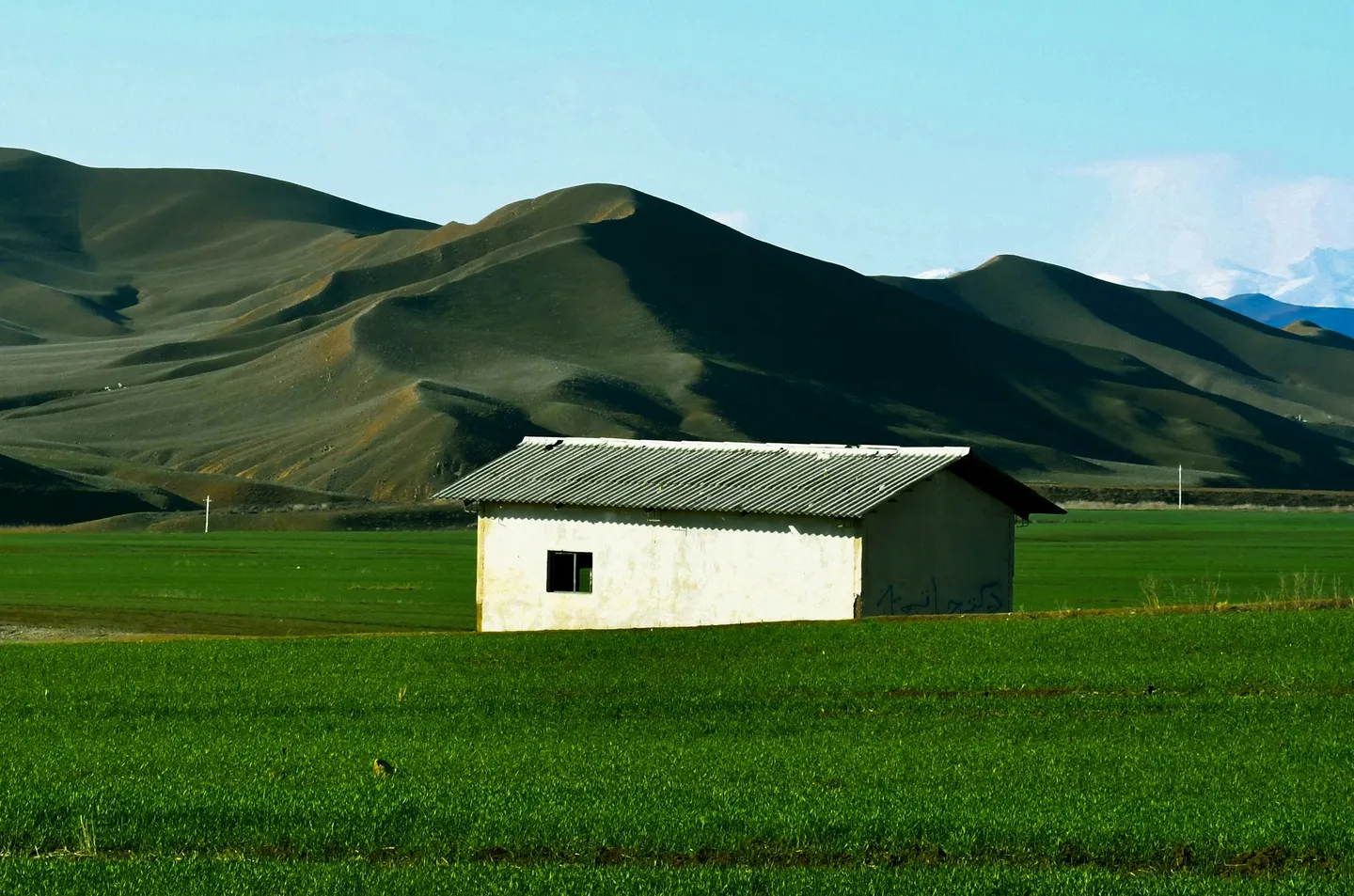
Photo by mahzad esmailzadeh on Unsplash
Most rural property owners in the UK don’t realise their insurance has gaps until they file a claim. Research indicates that 76% of UK properties are underinsured, with those affected covered for only 63-67% of actual rebuild costs. For rural properties with traditional construction, multiple outbuildings, and business activities, the exposure is often far greater.
UK property claims reached £5.7 billion in 2024, the highest ever recorded. Rural crime alone cost £44.1 million. Yet standard home insurance policies, designed primarily for urban and suburban properties, exclude dozens of risks that affect rural homeowners disproportionately.
How Rural Insurance Differs From Urban Coverage
Insurers classify properties as rural based on distance from emergency services, typically 8-13km from fire stations. This triggers higher premiums and stricter policy conditions automatically.
The average UK combined home insurance premium reached £391-£395 in 2024-2025, but rural properties routinely pay 20-50% more than urban equivalents. Properties with flood history face particularly steep costs. The median premium for flood-affected properties stands at £482 compared to £176 for non-flooded properties.
Regional variations are substantial. The highest premiums appear in Argyll and Bute at £1,522 and the Isle of Cumbrae at £1,310, nearly four times the national average. These figures reflect both risk exposure and the limited competition in remote areas.
Standard buildings insurance covers the main dwelling structure, fixtures and fittings, and attached garages. Contents policies include personal possessions within the home and limited coverage for items in outbuildings, usually capped at £1,500-£10,000. The exclusions matter more than the coverage.
Nearly every standard policy excludes storm or flood damage to fences, hedges, and gates unless the main building is damaged simultaneously. Subsidence coverage excludes boundary walls and paths unless the building itself is affected. These restrictions leave significant exposure for rural properties where perimeter structures cost tens of thousands to replace.
Unoccupied property exclusions typically trigger after 30-60 days, stripping away coverage for vandalism, theft, and escape of water. For rural properties that may sit empty during winter months or between holiday lets, these exclusions create vulnerability most owners don’t anticipate until making a claim.
Traditional Construction Creates Specific Gaps
Britain has over 375,000 listed buildings and approximately 5.5 million pre-1919 traditional buildings. Legal obligations require repairs using traditional materials and conservation-approved methods, which standard policies simply don’t accommodate.
Grade I properties represent 2.5% of all listed buildings and are structures of exceptional national interest. Grade II* buildings (5.8%) are particularly important, while Grade II designations cover over 90%, approximately 500,000 properties. Each grade carries specific repair requirements affecting insurance claims.
Rebuild costs for listed properties run 30-60% higher than standard construction due to specialist materials, skilled craftspeople shortages, and extended project timelines. Standard insurers’ rebuild calculators explicitly exclude properties with unusual features, thatched buildings, listed buildings, or houses made of non-standard materials. This leaves owners relying on generic estimates that dramatically understate true costs.
The consequences are severe. A Hampshire village pub insured for £200,000 when true rebuild cost was £400,000 received only 50% of their £40,000 repair bill, a £20,000 shortfall, due to the policy’s average clause. This clause proportionally reduces all payouts when properties are underinsured, even for partial losses.
The Thatched Roof Problem
Britain’s 60,000+ thatched properties face near-universal exclusion from standard policies due to fire risk. Approximately 75% of thatched buildings are listed. Only 1,500 master thatchers work in the UK, creating waiting lists of up to two years for major repairs.
Replacement costs reflect this scarcity. A small cottage measuring 25ft x 25ft costs £15,000-£22,000 to re-thatch. Medium properties run £20,000-£30,000, while large detached houses reach £25,000-£50,000 or more. Ridge replacement, required every 10-15 years, adds £5,000-£10,000.
Material choice affects both lifespan and cost. Water reed lasts 40-60+ years but cannot be partially repaired, only full replacement is possible. Combed wheat reed offers 25-35 years, while long straw provides 15-25 years but allows partial repairs.
Specialist thatch insurers require specific fire prevention measures including smoke detection systems, chimney clearances, and restrictions on heat sources near the roof. Average premiums run 2-3 times higher than standard roofing, and many mainstream insurers simply won’t quote.
Outbuildings Face Severe Value Caps
Standard policies typically limit outbuilding coverage to 10% of the dwelling’s insured value. A £250,000 home provides just £25,000 for all outbuildings combined. When rural properties include multiple barns, stables, workshops, and storage buildings, this cap proves inadequate.
Contents stored in outbuildings face even tighter restrictions, typically £1,500-£10,000 with theft cover requiring evidence of forcible and violent entry. Agricultural buildings are usually excluded entirely, requiring separate farm insurance. Non-standard construction outbuildings including flat roofs, asbestos, or corrugated iron often fall outside coverage regardless of declared value.
Boundary walls, gates, and fencing present perhaps the most misunderstood exclusion. Admiral explicitly states policies don’t cover storm damage to garden fences. Ecclesiastical specifies that storm or flood damage to fences, hedges or gates will only be covered if the main building, garage or outbuilding is damaged at the same time. Given that storms represent the primary threat to boundary structures, this exclusion leaves most fence damage uninsured.
Replacement costs highlight the exposure. Wooden panel fencing costs £80-£150 per panel installed. Brick walls run £200-£450 per square metre, stone wall repair £300-£600 per square metre, and historic boundary walls on listed properties potentially £1,000+ per metre.
Flood and Environmental Hazards
The Flood Re scheme helps eligible properties access coverage at capped premiums, but its restrictions exclude many rural properties. Eligibility requires the property to have been built before 1 January 2009, be used for private residential purposes, have individual Council Tax banding (A-H), and be occupied by the owner or family.
The scheme excludes farm outbuildings, commercial properties, small businesses, blocks of more than three flats, housing associations, and social housing buildings. Properties that don’t qualify face the open market, where flood-exposed locations may find coverage unavailable or prohibitively expensive.
Average flood claims run approximately £32,000 per household. Over 5 million UK homes face flood risk, with projections suggesting one in four properties will be at risk by 2050. The Flood Re scheme operates until 2039, funded by a £160 million annual levy on insurers. Its Build Back Better feature provides up to £10,000 for flood resilience measures following a claim.
Coastal Erosion Remains Uninsurable
Unlike flooding, coastal erosion receives no government insurance support. Standard policies classify it as earth movement, a routine exclusion. Since 1900, approximately 3,000 properties have been lost to the sea, with predictions suggesting 6,000 more will follow in the next 25 years.
The Environment Agency identifies 4,000 properties currently at substantial coastal erosion risk, potentially rising to 23,000 by 2100 under worst-case scenarios. High-risk areas include Barry Sands in Scotland, Covehithe in Suffolk, and Withernsea in Yorkshire.
Government assistance through the Coastal Erosion Assistance Grant covers only demolition costs, not property value. Contact is via [email protected]. Properties at significant coastal erosion risk may become unmortgageable as lenders increasingly screen for this exposure.
Trees and Private Systems
Routine tree removal is universally excluded as property maintenance. More significantly, tree disease including ash dieback receives no coverage. With ash dieback predicted to kill 80% of UK ash trees at an estimated economic cost of £15 billion, rural landowners face substantial unfunded liability. Single tree removal costs £500-£2,500+, with complex removals reaching £5,000+.
Private water supplies including wells, boreholes, and springs receive only limited protection under standard policies. Equipment failure from wear and tear, contamination from natural causes, and drought-related well failure are excluded. New borehole drilling costs £5,000-£15,000+, pump replacement runs £500-£2,000, and water treatment systems cost £1,500-£5,000.
Septic tanks and sewage treatment plants present a more complex picture. Most buildings insurance technically covers accidental damage to underground services, but insurers frequently decline claims incorrectly. UKDP reports a 95% success rate overturning insurer declinations at the Financial Ombudsman Service.
Covered damage includes root damage, cracks, broken components, and ground pressure movement. Excluded causes include age, lack of maintenance, and pre-existing conditions. Replacement costs range from £5,000-£20,000 for septic systems and £4,000-£8,000 for sewage treatment plants.
Off-Grid Energy Systems Create New Exposures
Solar panels are now typically covered by standard home insurance as permanent fixtures, but gaps remain. Ground-mounted panels may require specialist cover. Inverters often have shorter warranty periods than panels. Manufacturing defects fall under manufacturer warranty, not insurance.
Average system costs of £9,800 ranging £5,000-£15,000 should be added to rebuild valuations, with insurers notified of the installation. Battery storage systems represent an emerging and significant coverage gap. Lithium-ion battery fire risk can void policies if insurers aren’t notified. Battery installation qualifies as a material fact.
Some insurers ask about solar panels but not specifically about batteries, leaving customers inadvertently unprotected. Home battery systems cost £4,000-£10,000. Specialist providers including PIB Insurance Brokers and Naturesave offer BESS coverage.
Alternative Heating Exclusions
Heat pumps face explicit exclusion from most home emergency and breakdown cover policies. Admiral, Aviva, and Saga exclude heat pumps from home emergency cover, unlike boilers which receive up to £1,000 replacement contribution. Only LV=, Direct Line, and Emergency-Cover.com currently provide heat pump emergency cover.
Air source heat pumps cost £5,000-£18,000. Ground source systems run £13,000-£35,000+. Specialist cover from Emergency-Cover.com starts at £35 per month.
Biomass boilers face similar exclusion from many standard providers due to elevated fire hazards from fuel storage, burn-back risks, and flue fires. Systems costing £10,000-£20,000 require specialist coverage from providers like NFU Mutual, Marsh Commercial, or ADF Insurance.
Rural Crime Statistics
NFU Mutual’s Rural Crime Report 2025 documents costs of £44.1 million in 2024, down 16.5% from £52.8 million in 2023. Livestock theft reached £3.4 million, up 3%. Agricultural vehicle theft claims totalled £7 million, down 35%. GPS theft cost £1.2 million, down 71% after a 2023 spike.
The Countryside Alliance 2024 survey reveals concerning attitudes. 96% of respondents view crime as a significant issue. 73% believe crime increased in the past year. 45% believe police don’t take rural crime seriously. 32% of crimes go unreported.
Heating oil theft affects 1.1-1.3 million UK households relying on off-grid heating. Over 25,000 oil thefts were reported in 2018, with individual incidents costing £250-£1,200 for residential properties and up to 30,000 litres stolen from farms. Residual oil spills from theft can cost thousands to remediate, with potential Environment Agency involvement for pollution incidents.
Quad bikes and ATVs are frequently excluded from standard property policies. No legal insurance requirement exists for off-road-only use, but third-party insurance is mandatory for any road use. NFU Mutual identifies quad bikes as high on many thieves’ wish lists, with specialist agricultural vehicle policies required for coverage.
Business Use Voids Standard Policies
Standard home insurance policies contain explicit no business use exclusions that void coverage for Airbnb and Booking.com rentals. Standard landlord policies similarly exclude paying guests. Higher guest turnover, longer unoccupied periods, and amenities like hot tubs create risk profiles that standard policies don’t accommodate.
Key coverage gaps include malicious damage by guests, where policies typically only cover tenants not paying guests. Theft may require evidence of forcible entry. Accidental damage by guests is usually an optional extension. Unoccupancy clauses excluding escape of water claims from October to April particularly affect properties not continuously booked.
Airbnb’s AirCover only covers bookings made through the Airbnb platform, not direct bookings or multi-platform listings. It excludes staff injuries, fines, and reckless neglect. The cap sits at £1 million, serious injuries can exceed this. The scheme provides no FCA-regulated protection if claims are declined.
Average holiday lets earned £28,600 in 2024, twice residential rental income. Specialist holiday let insurance typically includes £5 million public liability, loss of rent coverage up to £30,000 per claim, and appropriate guest damage provisions. Providers include Homeprotect Holiday Let Insurance underwritten by AXA, Schofields Airbnb Insurance, and Just Landlords.
Bed and Breakfast Operations
B&B operations require complete policy replacement plus extensive licensing. Legal requirements include planning permission for change of use, food business registration free 28 days before opening, fire risk assessment under the Regulatory Reform (Fire Safety) Order 2005, and if serving any alcohol, both personal and premises licences.
Insurance requirements include public liability with minimum £1-2 million up to £6 million available, employers’ liability if employing staff legally required at minimum £5 million, and product liability for food poisoning claims. B&B insurance starts from approximately £1,050 per year for small operations.
Farm Shops and Event Venues
Farm shops require Food Safety Act 1990 compliance, HACCP systems, and food labelling compliance. Standard farm insurance typically excludes retail operations. Required coverage includes public liability, product liability from £5.30 per month with Hiscox, employers’ liability for staff, and stock cover for theft, spoilage, and contamination.
Wedding and event venues require the highest liability limits. Industry experts recommend £10 million public liability given potential multi-party incidents. Temporary Event Notices are required for licensable activities, with premises licences needed for permanent venues. Wedding public liability starts from £45.56 for single events. Marquee insurance runs from £69 for liability plus £25 for equipment cover.
Employer’s Liability Requirements
The Employers’ Liability (Compulsory Insurance) Act 1969 requires minimum £5 million cover, most insurers offer £10 million, for all employers. Coverage extends to permanent staff, part-time and casual workers, directors, volunteers, work experience students, and contractors under direction.
Non-compliance penalties include £2,500 fine per day without proper insurance and £1,000 fine for not displaying the certificate or refusing to show inspectors. Limited exemptions exist for sole traders working alone, those employing only spouse or family members unless a limited company, and limited companies with a sole director or employee owning 50%+ shares.
Farm workers, seasonal pickers, and volunteers at rural enterprises all require coverage. Premiums start from less than £5 per month for low-risk businesses but rise significantly for agricultural operations due to machinery, livestock, and chemical hazards.
Livestock and Equestrian Coverage
Standard property insurance doesn’t cover livestock. Separate policies are essential. Coverage types include All Risks Mortality for death from accidents, illness, and disease. Full Mortality applies to valuable breeding stock. Herd or Flock Cover provides blanket coverage for entire groups. Worrying Cover addresses animals stressed to death by dogs, foxes, or vermin. Transit Cover applies during transport. Infertility or Loss of Use covers permanent breeding incapacity.
Standard exclusions include TB (Bovine Tuberculosis), Foot and Mouth Disease where government compensation is available, Johne’s Disease, death from old age or natural causes, and government-mandated euthanasia.
Typical costs include sheep, goats, and hogs mortality at 12-15% of animal purchase value and cattle mortality at approximately 6% of animal value. Small mixed farms may pay £2,000-£5,000 annually. Large operations face £10,000-£50,000+.
Equestrian Facilities
The Riding Establishment Act 1964 mandates public liability insurance for licensed riding schools. Minimum coverage is £2 million, rising to £2.5 million for ABRS, BHS, TRSS, Pony Club, and WTRA members. Employers’ liability is required for all staff, volunteers, and students.
Care, Custody and Control coverage protects against liability for third-party horses in your care. Standard coverage provides £10,000 per horse and £100,000 aggregate, with higher limits available. Livery yards need similar protection plus buildings insurance for stables, hay barns, tack rooms, and arenas.
Animal Liability Beyond Farming
The Animals Act 1971 imposes strict liability on keepers of dangerous species with no negligence proof required. Dog owners face third-party liability typically up to £2 million, though excluded breeds vary by insurer. The XL Bully ban introduced mandatory third-party liability insurance for exempted dogs. Only one insurance provider reportedly covers dangerous dogs register breeds.
Livestock escape liability holds farmers responsible for road traffic accidents caused by escaped animals. The case Donaldson v Wilson (2004) established farmer liability even when a gate was left open by a walker crossing the property.
Listed Building Consent and Heritage Requirements
Listed Building Consent is required for virtually any alteration affecting a building’s character. This includes internal changes, window replacements even like-for-like, removal of fixtures, and roof repairs affecting 50%+ of any roof slope. Only minor like-for-like repairs using identical materials, techniques, and finishes may proceed without consent.
Insurance implications are significant. Repairs must use approved conservation methods. Claims involving non-like-for-like work require planning authority involvement. Extended reinstatement periods are needed for heritage consultation. Standard policies may be invalidated by unauthorised works, which constitute a criminal offence with potential fines and imprisonment.
Traditional Materials Costs
Lime mortar is essential for pre-1919 solid-walled buildings. Cement mortars shrink, crack, trap moisture, and accelerate decay. Yet lime mortar repointing costs £60-£110+ per square metre compared to £20-£60 for cement. Specialist heritage stone repointing runs £70-£120+, with London and South East premiums adding 20-40%.
For cob walls, unfired earth construction, cement render causes severe damage by trapping moisture. Insurance claims are routinely denied when cement-related damage occurs, with insurers citing deterioration caused by poor maintenance over considerable time, even when the cement was applied by previous owners decades earlier.
Protected Species Complications
All UK bats and their roosts are protected by law, with roosts protected whether bats are present or not. Natural England licences are required for any work affecting roosts, and historic buildings frequently contain them. Great crested newts receive similar protection. Each offence carries potential £5,000 fine and six months imprisonment per animal, with multiple offences considered separately.
Surveys add time and cost, typically £500-£2,000+, with work potentially delayed during protected species breeding seasons. Natural England licences must be obtained before repair work can proceed, extending claim timelines significantly.
Specialist Rural Insurers
NFU Mutual covers approximately 75% of UK farms and operates through 280+ agency offices nationwide. Founded in 1910 by seven Cornish farmers, the mutual retains over 95% of farming policies annually. Recognition includes Which? Insurance Brand of the Year for four consecutive years (2022-2025) and Defaqto 5-Star ratings.
Policy features include no administration fees for adjustments or cancellations, no charges for monthly Direct Debit payments, Mutual Bonus discounts for renewals, and Union Advantage rewards for farming union members. Three or five-year term discounts are available. The mutual has invested over £1 million since 2021 in rural crime prevention and funds the National Rural Crime Unit.
Ecclesiastical for Heritage Properties
Ecclesiastical insures over half of Grade I listed properties in England and Wales with 135+ years of heritage building experience. The company maintains the exclusive Ecclesiastical Heritage Index, tracking traditional materials and craftsmanship costs separately from standard construction indices.
In-house building surveyors provide valuations, and the claims approach focuses on preservation rather than mere reinstatement. Standard coverage extends to £750,000 buildings and £75,000 contents, with 24-hour home emergency cover up to £1,000 and legal expenses included. Customer satisfaction reaches 96% on claims from a 2024 survey of 589 customers. The insurer achieved Which? Best Buy 2025 and Fairer Finance most trusted ratings.
Regional Specialists
Cornish Mutual covers Cornwall, Devon, Somerset, and Dorset exclusively, with 24,000+ members across the South West. Founded in 1903 by Cornish tenant farmers, it was the first mutual in the UK to achieve CII Chartered Insurer status. Unique services include HAYTECH wireless probes for hay bale temperature monitoring for fire prevention, free cyber assistance, and in-house health and safety advisory services.
Hiscox focuses on high-value homes and listed buildings, covering Grade II properties in England and Wales, and B and C listed in Scotland. Its Private Client Service handles Grade II* and Grade I properties. Hiscox was the first UK insurer to partner with LeakBot, providing free water leak detectors worth £149 to buildings insurance customers.
Other specialists include Abode Insurance, dedicated entirely to listed property owners insuring 20,000+ properties over 15 years, Highworth Insurance for high to mid net worth homes with non-standard construction, and various brokers accessing the specialist Lloyd’s and London markets.
Regulatory Protections
The FCA Consumer Duty (Principle 12), effective July 2023, requires firms to act to deliver good outcomes for retail customers. Four outcomes apply. Products and services must meet customer needs. Pricing must demonstrate fair value. Communications must be clear and accessible. Support must be available throughout the product lifecycle.
The FCA’s June 2024 multi-firm review of 20 larger insurers found wide variation in outcomes monitoring quality, with many firms needing improvement in measuring customer outcomes. Data and metrics must be comprehensive and meaningful, with thresholds and standards clearly communicated.
Financial Ombudsman Service
Buildings insurance complaints reached 2,001 in Q1 2024/25, up 13% from the previous year, a 10-year high. Buildings insurance is now the second most complained about insurance product.
The FOS upholds 41% of buildings insurance complaints overall, rising to 57% for claim delay complaints and 75% for complaints involving third-party issues including loss adjusters, surveyors, and contractors. Top complaint reasons are claim decline at 41%, claim delay at 23%, and claim value at 8%.
Key issues identified include supply chain problems with contractors and materials, rising building costs, alternative accommodation inadequacy, and poor communication with third parties managing claims.
Identifying Your Coverage Gaps
Before your next renewal, specifically ask about flood coverage exclusions, outbuilding value caps not just the dwelling limit, escape of water adequacy and trace-and-access limits, unoccupancy clause trigger periods, agricultural building exclusions, non-standard construction treatment, land maintenance liabilities beyond the curtilage, and security requirements for valid claims.
Request policy wordings in advance, not summaries. Standard policy summaries often gloss over exclusions that appear clearly in full documentation.
Valuation Accuracy
76% of UK buildings are underinsured, with affected properties covered for only 63-67% of true rebuild cost. Since January 2022, construction costs have surged 25-35%. Aligning sums insured would require 68-82% increases from 2022 levels.
The RICS recommends desktop assessments annually and full valuations every three years or after significant changes. Standard BCIS rebuild calculators explicitly exclude listed buildings, thatched properties, and non-standard materials. For heritage properties, Ecclesiastical’s Heritage Index provides more accurate tracking of traditional construction costs.
Desktop rebuild cost assessments cost approximately £145, with full RICS surveyor visits from £500. These costs pale against the consequences of underinsurance. The average clause reduces all payouts proportionally to underinsurance levels.
Risk Management
Practical measures that reduce premiums include approved alarm systems with NACOSS, NUD, or SSAIB certification, CCTV installation, smart leak detection devices increasingly earning discounts, fire prevention measures including smoke detectors, extinguishers, and fire blankets, flood resilience measures qualifying for Build Back Better support, regular maintenance with documented records, and multi-policy bundling with motor or farm insurance.
NFU Mutual offers farming union membership discounts and three or five-year term discounts. Many providers reward claims-free histories with substantial renewal discounts.
Climate Change and Emerging Risks
Currently one in six UK people live with flood risk. This rises to one in four properties by 2050. Expected annual flood damages will increase by 27% by the 2050s, with 600,000+ additional properties potentially becoming high-risk by 2100. The one billion pounds annually needed for long-term flood defence maintenance significantly exceeds current investment levels.
Flood Re’s 346,200 policies in March 2025 demonstrate scheme uptake, but the 2039 end date creates uncertainty. Reinsurance costs have risen £100 million in three years, and policy uptake increased 20% in a single year, pressure that may affect future availability and pricing.
Premium Projections
Industry analysis projects 29.4% premium increases over the next 30 years due to climate risks alone. Subsidence risk intensifies with hotter, drier summers. The 2022 heatwave generated £219 million in subsidence claims.
Wildfire risk, once negligible in the UK, is emerging. The National Fire Chiefs Council recorded 856 wildfires by August 2025, 663% higher than the same period in 2024.
Technology Impacts
Electric vehicle charging and battery storage systems on rural properties create fire risks requiring insurer notification and potentially specialist coverage. Conversely, smart home technology increasingly earns premium discounts. 80% of consumers own at least one smart device, though only 13.6% have water leak detectors.
Sky Protect offers free smart tech bundles worth approximately £250 including doorbell, camera, sensors, and leak detector. Hiscox provides free LeakBot devices worth £149. These technologies reduce claim frequency and severity, aligning insurer and policyholder interests.
Regional Variations
Scotland operates under different legal frameworks. Scots law applies different property terminology and procedures. Listed building categories use A-listed equivalent to Grade I, B-listed, and C-listed designations. The Tenements (Scotland) Act 2004 creates statutory insurance duties for flat owners, requiring coverage against prescribed risks including fire and flood.
Quarter days fall on 28 February, 28 May, 28 August, and 28 November, different from English equivalents. There is no equivalent to English Landlord and Tenant legislation, and irritancy (Scottish termination) differs from forfeiture (English).
Wales saw the only regional crime cost increase in 2024, up 18% to £2.8 million. Welsh Government has published specific Flood Re perspective reports, and the Climate Change Committee’s 2023 report addresses Welsh adaptation needs.
Northern Ireland experienced premium increases of 53% in 2024, significantly exceeding any other region. Listed buildings use B and B+ categories. The smaller market means fewer specialist providers operate locally, though major UK insurers including Hiscox cover Northern Ireland B and B+ listed properties.
What This Means for Rural Property Owners
Rural property insurance gaps extend far beyond obvious exclusions like flood damage in high-risk areas. The combination of non-standard construction, agricultural uses, traditional building materials, isolated locations, and diversified business activities creates a complex risk profile that standard policies fundamentally fail to address.
Underinsurance poses greater risk than lack of insurance. Three-quarters of UK buildings carry inadequate coverage, and rural properties with heritage features, multiple outbuildings, and commercial diversification face the widest gaps between coverage and exposure. A single major claim with average clause reductions applied can devastate financially.
Specialist insurers, particularly NFU Mutual for general rural properties and Ecclesiastical for heritage buildings, offer coverage designed for these risks. Their premiums may exceed standard policies by 20-50% or more, but the alternative is discovered only at claim time, when it’s too late to remedy.
Regular valuations using heritage-appropriate indices, explicit conversations with insurers about specific exclusions, and documented maintenance all contribute to ensuring coverage matches actual exposure. The rural property insurance market is evolving rapidly. Climate change is intensifying flood, subsidence, and wildfire risks. Renewable energy installations create new coverage requirements. Smart technology offers premium reduction opportunities.
Understanding these dynamics and addressing gaps proactively protects both property and financial security.