
Shaping a Greener Future: Scotland's Journey to Net Zero with the Landmark Buildings Consultation
As Scotland faces the undeniable realities of climate change, the Delivering Net Zero for Scotland's Buildings consultation paper emerges as a crucial game-changer. This ambitious strategy, aimed at revolutionizing the nation's building heating practices, is poised to significantly cut down Scotland's greenhouse gas emissions. The initiative goes beyond legislative reform; it represents a larger vision for a sustainable Scottish future, where environmental stewardship and sustainable living are not just ideals, but actionable realities in the face of climate change's growing threats.
Scotland has published its Delivering Net Zero for Scotland’s Buildings consultation paper, a framework designed to overhaul how the nation heats its buildings. The strategy targets heating methods across Scottish homes, workplaces, and other structures, with the goal of cutting the country’s greenhouse gas emissions. Building heating is one of the largest contributors to Scotland’s carbon output, mainly because of the widespread use of gas and oil boilers.
The consultation is part of Scotland’s commitment under the Climate Change (Emissions Reduction Targets) (Scotland) Act 2019 to reach net zero greenhouse gas emissions by 2045. That target puts Scotland among the more ambitious nations on climate policy. But the paper goes beyond legislative box-ticking. It outlines how energy efficiency and clean heating systems will need to change across an entire country, and it asks everyone, from government to individual households, to play a part.
Getting to net zero by 2045 is not aspirational. It is the stated objective, and meeting it will require changes to how millions of buildings are heated.
Understanding Scotland’s Climate Goals
Scotland’s climate targets are set out in the Climate Change (Emissions Reduction Targets) (Scotland) Act 2019:
- A 75% reduction in emissions by 2030
- A 90% reduction by 2040
- Net zero greenhouse gas emissions by 2045
Heating homes, workplaces, and other buildings is Scotland’s third-largest source of greenhouse gas emissions. Gas and oil boilers, still the standard in most buildings, release carbon dioxide when burning fuel for heating and hot water. Moving away from these systems is one of the largest single changes Scotland must make.
The current emission levels make the challenge clear. A large share of Scotland’s carbon footprint comes from the built environment, and the shift away from fossil-fuel heating cannot wait. The consultation paper addresses this directly, setting out how clean heating and better energy efficiency can reshape how buildings use energy. The change will be difficult, but it is necessary if Scotland is to meet its targets and reduce the environmental burden on future generations.
The Challenge of Polluting Heating Systems
Gas and oil boilers are standard in Scottish buildings, but they carry a real environmental cost. When these systems burn fuel for heating and hot water, they release greenhouse gases, mainly carbon dioxide, into the atmosphere.
The scale matters. Building heating accounts for a large share of Scotland’s total greenhouse gas emissions. Moving away from natural gas, oil, and coal for heating is no longer optional if the country wants to meet its climate commitments.
The consultation paper proposes banning polluting heating systems by 2045. By setting this deadline, the Scottish Government is sending a clear signal about the direction of travel.
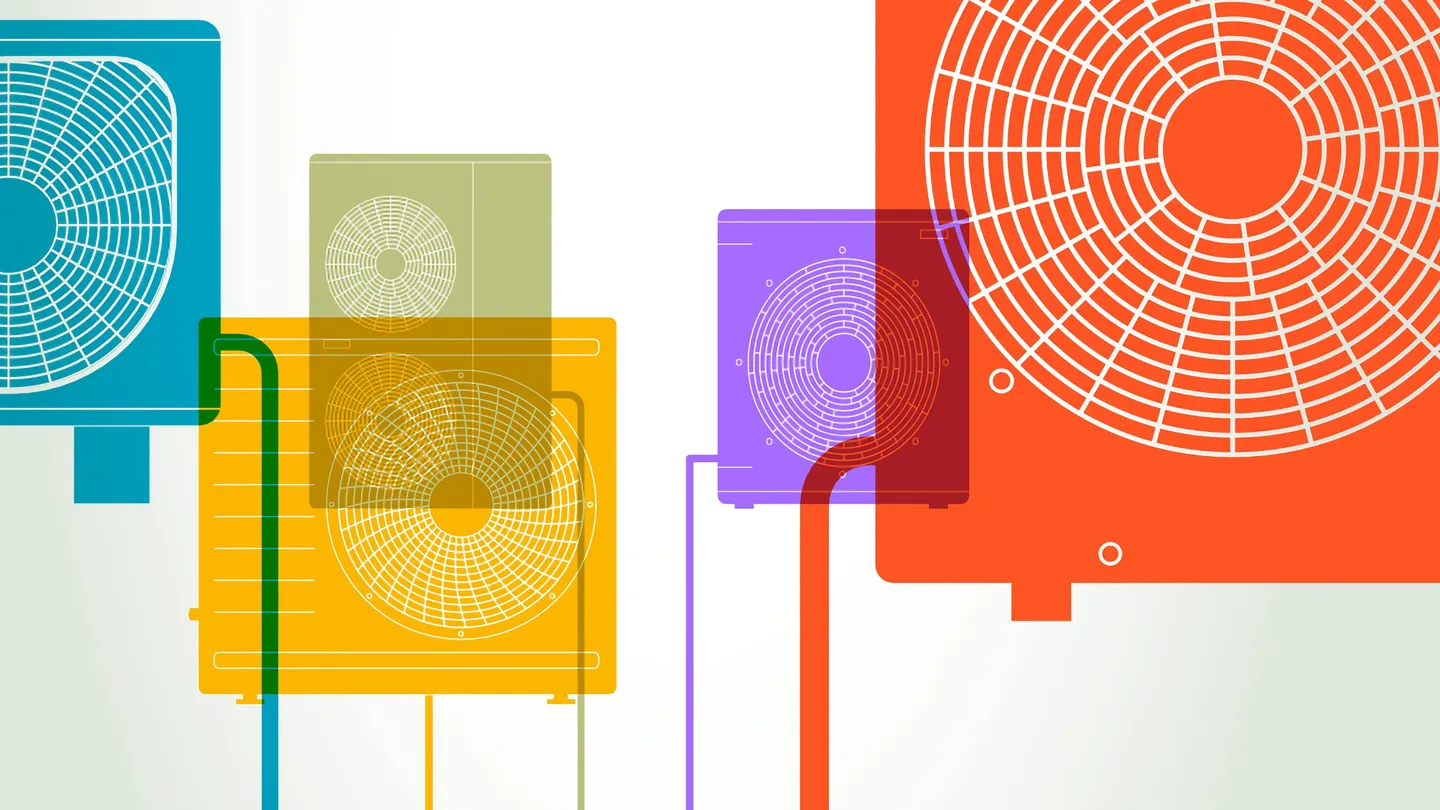
The alternatives include heat pumps, heat networks, and modern electric heating. These systems produce far fewer greenhouse gas emissions at the point of use and can be powered by renewable electricity. Switching to them also creates an opportunity to modernise Scotland’s building stock, making it more energy-efficient.
The transition will not be simple. It requires investment in infrastructure and public awareness. Homeowners, businesses, and industries will need support to make the switch affordable and practical. The 2045 deadline provides both a goal and urgency, pushing innovation and investment toward cleaner heating.
Beyond emissions reduction, the shift opens possibilities for economic growth, new technology, and better quality of life, while protecting the environment.
Transition to Clean Heating Solutions
Scotland’s path to net zero depends on replacing fossil-fuel heating with cleaner systems. The alternatives fall into three main categories:
- Heat Pumps: These extract heat from the ground or air and deliver it to buildings for heating and hot water. They dramatically reduce reliance on fossil fuels.
- Heat Networks: Also called district heating, these systems distribute heat from a central source through insulated pipes to multiple buildings. They can use renewable or waste heat sources.
- Efficient Electric Heating: This includes modern electric storage heaters and other systems that offer better efficiency and lower emissions than older electric heaters.
These technologies replace emission-heavy heating, cutting Scotland’s greenhouse gas output and improving overall energy efficiency. Their compatibility with renewable electricity further reduces the carbon footprint of heating.
Current adoption rates lag behind what is needed. Around 5,000 heat pumps are installed per year, and 33,000 buildings are connected to heat networks. Both figures need to rise sharply to meet the 2045 target. Scotland must accelerate adoption through better technology, infrastructure development, public engagement, supportive policies, and financial incentives.
The Scottish Government is already promoting these technologies through financial support programmes, regulatory changes, and public engagement campaigns.
This transition goes well beyond a technology swap. It requires a coordinated effort from government, industry, and the public. By adopting zero-emission heating systems, Scotland would be meeting its climate commitments while building a more sustainable and economically resilient future.
Proposed Energy Efficiency Standards
The consultation paper proposes new energy efficiency standards for owner-occupied and privately rented homes. These are not suggestions; they would become legal requirements.
Details of the New Laws
- For Owner-Occupied Homes: All owner-occupied homes would need to meet a minimum energy efficiency standard by the end of 2033. This would likely involve insulation improvements, better heating efficiency, and other energy-saving measures.
- For Private Rented Homes: Private landlords would face an earlier deadline, upgrading their properties to meet the standard by the end of 2028. The tighter timeline reflects the fact that rental properties, often older and less efficient, are a priority for improvement.
Deadlines for Meeting These Standards
- 2033 Deadline for Homeowners: This gives homeowners a reasonable period to plan and carry out upgrades, taking financial and practical considerations into account.
- 2028 Deadline for Private Landlords: Tenants often have no control over their home’s energy performance. Improving rental properties is treated as a priority because of this.
Benefits of Improved Energy Efficiency
- Reduced Energy Bills: Better energy efficiency means lower energy consumption and cheaper heating.
- Better Comfort and Health: Well-insulated homes with good heating systems are more comfortable and healthier, reducing problems like dampness and cold.
- Environmental Impact: Improved efficiency directly lowers greenhouse gas emissions. Combined with renewable energy, the carbon footprint of residential buildings drops further.
- Economic Benefits: The push toward efficiency will create jobs in retrofitting and renewable energy, and spur innovation in energy-efficient technologies and services.
- National Energy Security: More efficient buildings reduce demand on the national grid, strengthening Scotland’s energy security.
These standards are an important step toward net zero and toward better living conditions for residents. Implementing them will require cooperation across sectors, but the long-term benefits, both personal and environmental, are substantial.
Addressing Affordability and Ensuring a Just Transition
The Scottish Government recognises that many people are already under financial pressure. The consultation paper makes affordability and fairness central concerns, particularly during the current cost-of-living squeeze. Adding the costs of new heating systems and energy efficiency upgrades could strain households that are already stretched. The plan, therefore, aims to go green without placing undue burden on those who can least afford it.
The government is committed to making the transition fair and inclusive. This means paying particular attention to rural communities, low-income households, and other groups who may face greater barriers. Exemptions and targeted support are planned to make the shift as equitable as possible.
Financial support measures include grants, loans, and subsidies to make cleaner heating technologies more affordable. Interest-free loans and financing options would help spread the costs. The government is also working with banks and financial institutions to develop additional ways to help people afford energy-efficient upgrades.
In short, Scotland’s approach tries to balance environmental goals with social and economic realities. The aim is a transition that works for everyone, not just those who can easily afford it.
Special Considerations for Different Property Types
The consultation paper recognises that different property types face different challenges when it comes to energy efficiency and clean heating.
Traditional buildings, many of which have historical and architectural value, need careful treatment. Working with organisations like Historic Environment Scotland, the government plans to develop tailored solutions that improve energy efficiency without damaging the character or structure of older buildings. Properties with features like solid walls that don’t suit standard insulation methods may receive alternative approaches or extended timelines.
For owner-occupied homes, the government targets a transition to clean heating by 2033, in line with the 2045 net zero goal. Support will include financial help for installing heat pumps or connecting to heat networks, along with guidance on choosing the right system.
The private rented sector faces an earlier deadline of 2028 to meet minimum energy efficiency standards. This is intended to improve living conditions for tenants and tackle fuel poverty. Landlords will need to upgrade their properties, which should result in lower energy bills and better conditions for tenants, and may increase property values. The government plans to offer landlords support and guidance, and potentially financial incentives, for these upgrades.
These tailored provisions reflect an effort to make the transition fair and practical across Scotland’s varied building stock, so that the move toward net zero benefits all property owners and occupants.
Sector-Specific Strategies
For non-domestic buildings, a one-size-fits-all standard is impractical. These buildings range from small shops to large industrial complexes and vary enormously in size, construction, use, and operating hours. The approach instead focuses on encouraging clean heating and better energy efficiency through customised solutions, developed in collaboration with businesses and organisations to fit the needs of each building type.
Social housing has already made good progress. The sector has been retrofitting properties in line with the Energy Efficiency Standard for Social Housing (EESSH). The Scottish Government is reviewing these standards to ensure they align with net zero targets, with the review expected to conclude by 2024. Updated standards will be incorporated into the Scottish Social Housing Charter and monitored by the Scottish Housing Regulator.
These sector-specific strategies offer a practical and adaptable route to lower emissions, recognising that different building types need different approaches. By tailoring the strategy for each sector, Scotland aims for an effective, inclusive transition that brings together business owners, social housing providers, and other stakeholders in a common effort to cut emissions.
Public Participation and Next Steps
The Scottish Government wants public input from individuals, businesses, and other stakeholders. Broad participation helps shape better policies by incorporating a range of perspectives and real-world experience.
The consultation uses several channels to reach people: public workshops, online surveys, and open forums. The goal is to make the process accessible to as wide a cross-section of society as possible.
How Feedback Shapes the Laws
Public feedback is not a formality. It directly influences the final legislation, grounding the laws in the actual experiences of the people most affected.
Input from homeowners, tenants, businesses, and industry professionals will highlight practical challenges, economic implications, and potential barriers. This information is needed to develop workable strategies and support systems.
The Government has committed to taking this feedback seriously when making final decisions.
Anticipated Outcomes and Impacts
These new laws are expected to make a measurable difference to greenhouse gas emissions from buildings, one of Scotland’s largest carbon sources.
Beyond the environmental impact, the laws should create economic benefits: jobs in the green energy sector, a boost to local economies through efficiency improvements, and long-term cost savings for homeowners and businesses.
On a broader level, more efficient and cleanly heated homes should improve living conditions, particularly around health and comfort. The shift also moves Scotland closer to energy independence and resilience.
Public participation and the steps that follow are not procedural formalities. They are how Scotland ensures its transition to net zero is inclusive, fair, and effective. The success of these policies depends on the collective input and engagement of the people they affect.
Conclusion
The Delivering Net Zero for Scotland’s Buildings: Changing the way we heat our homes and buildings consultation paper is an important step in Scotland’s environmental policy. It sets out a detailed roadmap for transitioning to sustainable building heating, recognising the large role that buildings play in the country’s greenhouse gas emissions.
Reaching net zero by 2045 requires effort across every sector and touches every aspect of Scottish life. From traditional stone-built homes to modern energy-efficient buildings, the paper proposes strategies that are both practical and inclusive. It addresses the need for a fair transition that accounts for the economic realities of Scottish households and businesses.
Scotland’s commitment to a sustainable future is about more than hitting targets. It is about better quality of life, protecting natural resources, and preserving the environment for future generations. This consultation paper provides a practical vision of a future where economic growth and environmental responsibility work together.
See the full consultation document at: https://www.gov.scot/publications/delivering-net-zero-scotlands-buildings-consultation-proposals-heat-buildings-bill/