
Setting Rural Living Goals: Sustainability, Self-Sufficiency and Community in the UK
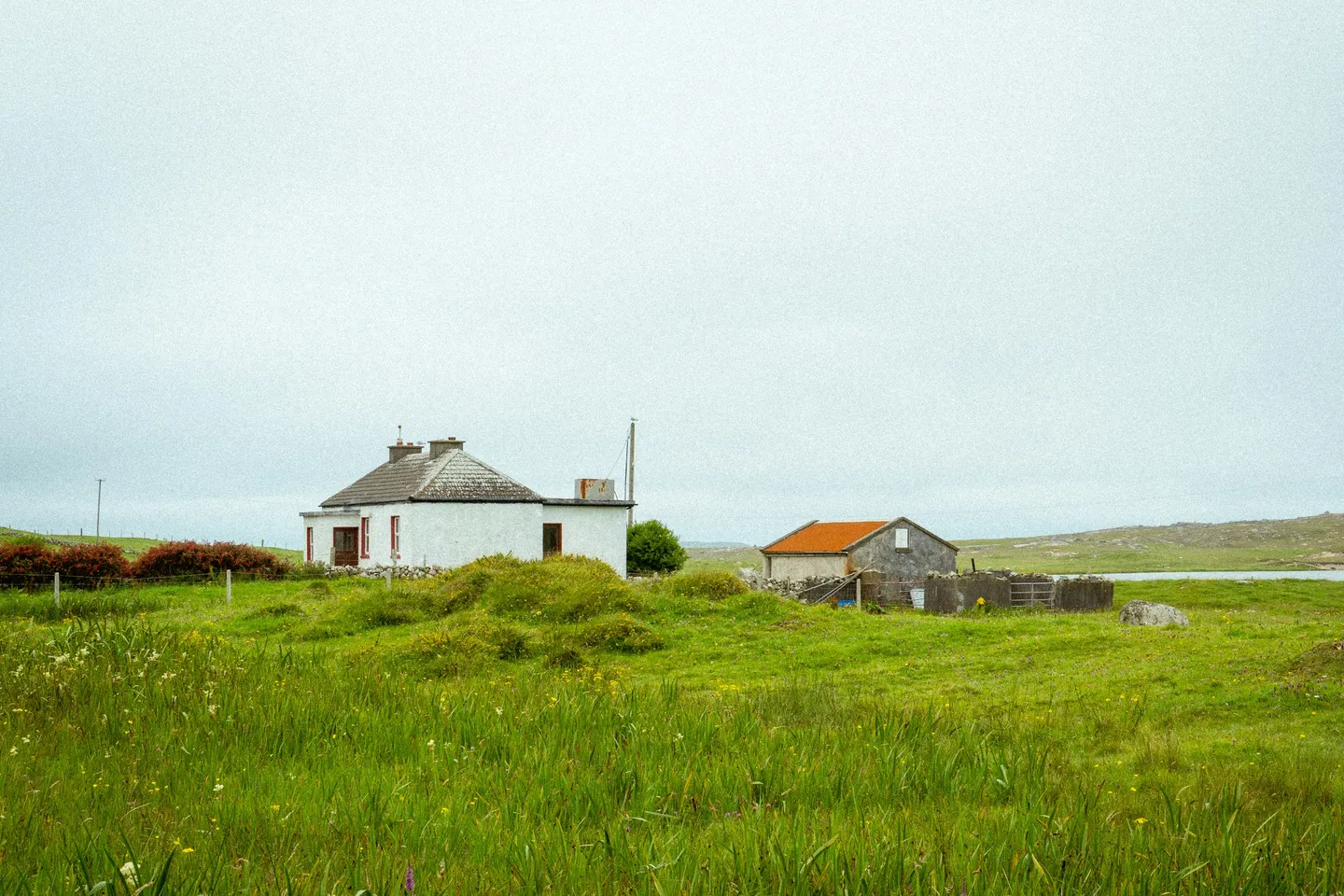
Photo by Anna Burri on Unsplash
Moving from urban to rural life in the UK represents more than a change of address. It requires rethinking how you live, work, and connect with your surroundings. This guide examines the practical realities of rural living through three interconnected themes: environmental sustainability, self-sufficiency, and community integration.
Understanding Renewable Energy Options
Heat pumps have become the primary renewable heating option for UK rural homes. Air source heat pumps now cost between £8,000 and £15,000 for a three or four-bedroom home. After applying the government’s Boiler Upgrade Scheme grant of £7,500, your actual cost drops to £3,818-£7,150.
The running costs tell an important story. An air source heat pump typically costs £520-£1,700 annually to operate, saving £240-£290 per year compared to an old gas boiler. Against electric heating, the savings reach £1,000 annually. These systems achieve 300-400% efficiency and last over twenty years.
Ground source heat pumps offer higher efficiency but require £16,000-£35,000 upfront. Biomass boilers range from £4,000-£21,000 and qualify for a £5,000 grant, though only for rural off-grid properties.
Solar panels provide another avenue for energy independence. Installation costs £4,000-£10,000, with payback periods of 9-13 years. The panels carry 0% VAT and allow you to sell excess electricity back to the grid through the Smart Export Guarantee at rates up to 29.5p per kilowatt-hour.
The Boiler Upgrade Scheme operates across England and Wales, offering £7,500 for heat pumps and £5,000 for biomass systems. Scotland provides £9,000 total grants for rural homes. The government increased the 2025/26 budget to £295 million, up from £150 million previously.
A comprehensive off-grid setup for a three-bedroom home requires £17,000-£20,500 initially. You’ll see annual benefits of approximately £1,380, meaning payback in 12-15 years while reducing carbon emissions by four to five tonnes yearly.
Navigating Environmental Regulations
The UK maintains strict protections for rural landscapes. Hedgerow Regulations 1997 protect hedgerows over thirty years old. You must maintain a two-metre buffer strip and cannot cut hedgerows between 1st March and 31st August. Sites of Special Scientific Interest cover 4,100 locations across England, requiring written consent for any work. Areas of Outstanding Natural Beauty apply stricter planning controls for renewable installations.
Water collection offers practical benefits without regulatory hurdles. Rainwater harvesting remains fully legal in the UK without requiring a license for roof collection under 20,000 litres daily. Basic systems cost £30-£100 for water butts, while underground tanks require £1,500-£4,000. A family of four can save £500 or more annually.
Private boreholes provide another water source but involve greater complexity. Drilling costs £5,000-£15,000, and you’ll need an abstraction license if drawing over 20,000 litres daily. You must register with your local authority and conduct regular testing.
Growing Food in British Conditions
British climate and soil suit specific crops well. Root vegetables planted between February and May thrive in most regions. Brassicas, legumes, alliums, and salads grow reliably, with polytunnels extending the season year-round.
Typical yields help set realistic expectations. Potatoes produce 8-10kg per square metre, tomatoes yield 4-6kg per plant, and carrots generate 5-7kg per square metre. Five acres of mixed growing can support a family of four, though this requires considerable time and skill.
Polytunnels cost one-third the price of greenhouses at £500-£3,000. They don’t require planning permission if under three metres high. Greenhouses cost £1,500-£10,000 but offer superior aesthetics and durability.
Current Livestock Regulations
October 2024 brought significant changes to poultry keeping. All poultry keepers must now register, regardless of flock size. The previous threshold of fifty birds no longer applies. Even keeping one chicken requires registration at poultryregistration.defra.gov.uk. England and Wales enforced this from October 1st, while Scotland’s deadline fell on December 1st.
Before acquiring any livestock, you need a County Parish Holding number from the Rural Payments Agency. Call 03000 200 301 to obtain this free registration. Each species requires separate DEFRA registration, also free.
Space requirements vary by animal. Ten to twenty chickens need 0.01-0.02 acres. Each pig requires 0.25 acres. Sheep and goats each need 0.5-1 acre. These minimums assume rotational grazing and proper pasture management.
Setup costs add up quickly. A chicken coop costs £200-£500, with pullets at £15-£25 each. Pig arks run £300-£800, with weaner pigs costing £60-£120. Sheep fencing requires £200-£400 per hundred metres. Annual feed costs reach £50-£80 per chicken and £150-£200 per pig.
Farm Business Income averaged £21,600 in 2024, down thirty-seven percent. Input costs increased forty-four percent between December 2019 and May 2024. Most smallholders require off-farm income to maintain financial stability.
Realistic Self-Sufficiency Levels
Self-sufficiency exists on a spectrum rather than as an absolute state. A micro setup using a garden or allotment provides twenty to thirty percent of vegetables, requiring five to ten hours weekly. Partial self-sufficiency with one to two acres supplies fifty to seventy percent of vegetables and fruit over twenty to thirty hours weekly. High self-sufficiency with five or more acres can reach eighty to ninety percent of vegetables, fruit, eggs, meat, and dairy, but demands full-time commitment.
Even at high self-sufficiency, you’ll still purchase flour, sugar, salt, rice, coffee, tea, cooking oil, animal feed supplements, veterinary medicines, tools, and fuel. Complete self-sufficiency remains practically impossible in modern Britain.
Financial realities matter more than romantic notions. A typical five-acre setup requires £45,000-£185,000 initially. Annual operating costs reach £5,000-£12,000 or more. You’ll need five to ten years to become truly productive. Self-sufficiency doesn’t save money initially compared to buying food.
Planning Permission and Agricultural Sales
Selling produce requires understanding regulations. Farm gate sales at small scale usually need no special registration. Starting a food business requires free registration twenty-eight days before beginning operations. If you keep fewer than fifty hens, you can sell eggs directly. Meat sales require using a licensed abattoir.
Agricultural buildings can now convert to residential use more easily under Class Q Permitted Development rules updated in May 2024. You can convert up to 1,000 square metres of agricultural buildings into ten homes, up from five previously. Individual dwellings can reach 150 square metres maximum.
How Rural Communities Function
About forty percent of people who move to rural areas eventually return to urban settings when reality doesn’t match expectations. Ambulance response times average 11 minutes 13 seconds in rural areas versus 7 minutes 14 seconds in urban locations. Rural population stands at 9.7 million, representing seventeen percent of England.
Social structures operate differently than in cities. Newcomers remain “new” for twenty years or more in many villages. Communities are small and close-knit. Neighbors notice everything. The local pub, post office, and church serve as primary communication hubs, often more reliable than social media or websites.
Village halls number over 10,000 across England. Sixty percent serve as the only meeting place for their communities. Approximately 80,000 volunteers manage these vital assets. Village Halls Week runs annually from 17th-23rd March.
Parish councils represent the lowest tier of local government. England has 10,480 parish councils that represent community interests, deliver local services, and manage community facilities.
The ACRE network comprises 38 member organizations supporting 52,000 grassroots groups across 11,000 communities. They provide assistance with neighbourhood planning, affordable housing, and health and transport initiatives.
Digital Connectivity Progress
Gigabit-capable broadband now reaches over eighty-five percent of the UK, up from seven percent five years ago. Project Gigabit invested £714 million in 2024, connecting 380,000 rural premises. The government targets full nationwide coverage by 2030.
Current reality shows gaps remain. Forty-five percent of rural areas have gigabit-capable broadband versus eighty-three percent urban. Median speeds reach 39.4 Mbps in rural areas compared to 62.1 Mbps in urban areas, a fifty-eight percent difference. Twenty percent of premises will remain commercially unviable by 2030.
Remote work patterns shifted after the pandemic. Thirty-four percent of rural workers worked from home in 2022 versus thirty percent urban. Many employers now accept permanent remote arrangements, making rural areas increasingly viable for knowledge workers.
Building Community Relationships
Integration follows a predictable timeline. During months one through six, focus on observation. Attend local events and patronize local businesses. Year one to two brings initial integration as you join committees and volunteer regularly. Years three to five involve active participation while building consistent relationships. After five years, you become an established member trusted for opinions and leadership.
Practical steps matter more than good intentions. Introduce yourself to neighbours immediately upon arrival. Use local services year-round rather than cherry-picking convenience. Attend village events even when they seem mundane. Join emergency response networks. Read the parish magazine, often more valuable than Google for understanding local dynamics. Master rural driving etiquette. Identify local influencers such as the vicar, head teacher, pub landlord, and shop owner.
Common mistakes undermine integration. Avoid immediate criticism before understanding local context. Don’t engage inconsistently or expect urban amenities. Respect agriculture by not complaining about farm noise or smells. Keep dogs under control near livestock. Don’t block footpaths. Avoid over-relying on online shopping at the expense of local businesses.
Financial Realities of Rural Living
Rural properties cost thirty-nine percent more than urban properties excluding London. Rural villages and hamlets command fifty-five percent premiums, averaging £416,200. Affordability ratios reach 9.8 times median earnings in rural areas versus 8 times in urban areas.
Regional variations show dramatic contrasts. The cheapest properties appear in Pendle at £135,254 and Hartlepool at £129,000. The most expensive concentrate in the South East, South West coastal areas, and Cotswolds. Best value emerges in the North East and North West, with affordability ratios of 5.47-6.56 times earnings.
Hidden ongoing costs create the real financial burden. Heating and energy cost £808 yearly in rural areas, ten percent more than urban. Oil heating specifically costs £975-£1,625 annually, with 14.16 percent of properties off-grid. Transport costs reach £113.90 weekly in rural areas versus £76.20 urban, forty-nine percent more, representing 12.3 percent of disposable income. Council tax costs £104 more per head annually in rural areas. Food costs two percent more at £65.60 weekly versus £64.20. Wages run six percent lower in rural areas at £23,117 compared to £24,540.
The total rural premium reaches thirty to forty percent higher running costs. A three-bedroom cottage requires £365,500 total purchase cost including surveys, legal fees, stamp duty, and setup. Annual running costs hit £32,190 yearly or £2,683 monthly. The urban equivalent costs £24,000 yearly or £2,000 monthly. The rural premium amounts to £8,190 yearly, thirty-four percent more.
Critical Property Considerations
Septic tanks require special attention. Standard surveys don’t include drainage surveys, which cost £200-400 separately. 2020 regulations prohibit discharging untreated sewage. Non-compliant systems must be upgraded at £5,000-£15,000. Failure to comply brings fines up to £100,000. Annual emptying costs £200-300.
Oil heating presents ongoing challenges. Current prices hover around 65p per litre but fluctuate between 18p and 90p. Annual costs range from £975-£1,625. Tank replacement costs £1,000-£2,000. You’ll need specialist insurance coverage.
Agricultural ties restrict property occupancy to agricultural workers. Check carefully with your solicitor as these restrictions destroy resale value. Lifting agricultural ties takes six to twelve months and costs £1,000-£5,000 or more.
Healthcare and Education Access
GP surgeries present accessibility challenges. Only nineteen percent of rural residents live within a twenty-minute walk of their GP versus ninety-five percent urban. Hospitals average one hour away in rural areas versus thirty minutes urban. West Somerset residents travel 18.5 miles to their nearest hospital, while Camden residents travel 1.6 miles.
Schools often provide good quality education but in smaller settings. Thirty to forty-minute school runs are common. Childcare costs increased eight percent in rural areas versus five percent urban between 2019 and 2021.
Public transport deteriorated significantly with a twenty-seven percent reduction in bus services between 2011 and 2022. Many areas have no buses or only one to two daily. Car ownership becomes essential rather than optional.
Timeline Expectations
Emotional adjustment takes six to eighteen months. Months one through six bring the honeymoon period when everything seems exciting. Months six through twelve deliver the reality check when you may pine for your old life and feel isolated. Forty percent return to urban living during this phase. Months twelve through eighteen mark integration as you find your rural rhythm and make genuine connections.
Financial preparation requires saving an extra twenty to thirty percent above the purchase price. Budget £3,000-£5,000 for unexpected costs in the first year.
Practical timelines include three to twelve months for property search. Purchase takes three to six months due to complex rural conveyancing. Broadband installation requires two to four weeks lead time.
Real Transitions from Urban to Rural Life
Sally Coulthard studied at Oxford University and worked in television production before moving to North Yorkshire with her family to establish a smallholding. She has published over twenty-five books including “A Brief History of the Countryside in 100 Objects,” named a Waterstones Best Book in 2024. She writes a monthly “Good Life” column for Country Living magazine and describes the countryside as a constant source of inspiration.
Katie Derham, a BBC presenter, moved from London to West Sussex in 2008. She describes her relationship with her vegetable plot as borderline obsessive, working to make it more productive each year.
Social media has created new rural voices. Julius Roberts maintains 1.2 million Instagram followers sharing his work as a cook, farmer, and gardener. Gaz Oakley built 1.6 million followers documenting his transition from chef to homesteader. Kev Alviti shares his experience as a carpenter and shepherd in Herefordshire through An English Homestead.
Post-pandemic migration accelerated rural moves. The proportion moving to rural areas increased from 67.5 percent pre-pandemic to 74.4 percent during the second wave. Most hadn’t returned by the end of 2021. Rural populations now grow faster than urban populations. Thirty-four percent of rural workers worked from home in 2022 compared to thirty percent urban.
Training and Professional Resources
South Yeo Farm West in Devon has trained over 1,600 course participants over a decade. Debbie Kingsley offers Introduction to Smallholding courses over two days for £130, along with specialized courses for pigs, sheep, and cattle. She authored “The Complete Guide to Smallholding” in 2023.
Consultancy firms provide professional guidance. Savills Farm Business Consultancy maintains offices across the UK. Carter Jonas manages 1.3 million acres. ADAS employs over fifty consultants across England and Wales.
BBC Countryfile has aired weekly since 1988. Escape to the Country ranks as a top-rated daytime show, helping thousands understand rural property decisions.
Establishing Clear Goals
Effective goals follow the SMART framework adapted for rural conditions. Make goals specific: “Plant three types of vegetables in raised beds by April” rather than “grow more food.” Ensure they’re measurable: “Bake all bread for six months” instead of “bake more.” Keep them achievable considering your current resources, time, and skills. Make them relevant to your core motivations, whether health, self-sufficiency, sustainability, or financial. Set time-bound deadlines with flexibility for weather and learning curves.
Short-term three-month goals include starting container gardens, obtaining necessary permits, building local relationships, and installing basic infrastructure.
One-year goals involve establishing core food production, completing priority repairs, starting first livestock with chickens, planting perennials, and mastering two to three preservation techniques.
Three-year objectives expand gardens, add diverse livestock, establish crop rotation, develop income streams, and build community trading relationships.
Five-year targets aim for significant self-sufficiency, established perennial systems, renewable energy creation, and sustainable water management development.
The governing principle remains starting small and expanding gradually. Do one thing well rather than everything halfway.
British Seasonal Calendar
Winter months of January and February focus on maintenance, feeding livestock, starting seeds indoors, and planning the coming year.
Spring from March through May brings peak calving and lambing season, the busiest time of year. Farmers spread slurry, drill crops, and plant gardens. Livestock tagging becomes a legal requirement during this period.
Summer running June through August includes sheep shearing in June, silaging, haymaking, and combine harvesting. Gardens reach peak harvest. This represents the major preservation period requiring significant time and effort.
Autumn from September through November brings diverse crop harvests, ploughing, drilling winter wheat, and preparing ewes for mating. Hedge cutting begins. Autumn planting must be completed before hard frost.
December focuses on feeding housed livestock, conducting maintenance, planning the year ahead, and ordering seeds for spring.
March through April demand the most labour. July and August create peak workload. Always allow flexibility for weather variations that can shift timing significantly.
Measuring Your Progress
Track food production through the percentage of household needs you meet, weeks of stored food available, diversity of sources, preservation output, and grocery bill reductions.
Measure resource independence by water and energy self-sufficiency percentages, waste diverted from disposal, and practical skills mastered.
Monitor animal husbandry through production rates, health indicators, and feed conversion efficiency.
Assess financial progress through income generated, cost savings realized, return on investment for projects, and emergency fund adequacy.
Use a self-sufficiency matrix rating one to five across different domains. One represents complete dependence, five indicates full self-reliance. Track quarterly to identify trends and adjust plans accordingly.
Preventing and Recovering from Burnout
Burnout stems from trying everything simultaneously, maintaining unrealistic expectations, poor time management, financial stress, keeping too many animals, inadequate infrastructure, social isolation, and forgetting your original motivations.
Prevention requires pacing yourself by picking one to two core areas yearly and mastering them before expanding. Set realistic expectations understanding that perfection isn’t the goal and failures provide learning. Prioritize rest by getting thirty to sixty extra minutes of sleep when overwhelmed. Delegate and share work by involving family and building reciprocal neighbour relationships. Manage seasonal intensity by accepting March-April and July-August create peak stress periods. Stay connected by actively combating isolation and maintaining friendships. Focus on joy by including projects that spark happiness regularly and celebrating small victories.
When burned out, stop and rest immediately. Remove one energy-draining element from your routine. Complete one easy project for momentum. Journal your frustrations to process emotions. Ask for help directly. Focus only on essential tasks until you recover.
Homesteading should enrich your life rather than consume it. If it doesn’t bring more joy than stress, reassess your approach.
Making the Decision
Consider moving to rural UK if you have remote work with guaranteed income, can afford thirty to forty percent higher running costs, have reliable vehicles, feel comfortable with isolation and limited amenities, can drive for everything, maintain twelve or more months emergency fund, understand twelve to eighteen month settling time, and can embrace community integration slowly.
Don’t move if you rely on public transport, need immediate cultural and social access, budget tightly, require guaranteed fast internet, can’t afford two vehicles, expect instant acceptance, aren’t prepared for mud and smells, or face uncertain job security.
Taking Action
Before house hunting, save thirty percent above the purchase price. Test rural living by renting for six to twelve months first. Calculate total running costs accurately. Confirm remote work arrangements in writing. Research your target area thoroughly for crime statistics, school quality, and service availability. Check broadband speeds in specific postcodes you’re considering.
When viewing properties, visit multiple times in different seasons. Test mobile signals on-site and ask locals about actual broadband performance. Check distances to your GP surgery, nearest hospital, and supermarkets. Look carefully for damp, flooding, and structural issues. Identify the septic tank and oil tank locations and conditions. Assess the access road, especially considering winter conditions. Meet neighbours and ask honest questions about living there.
During purchase, hire a solicitor experienced with rural properties. Obtain a comprehensive building survey. Commission a separate drainage survey for £200-400, not included in standard surveys. Check for agricultural ties or occupancy restrictions. Verify rights of way and access rights. Check oil tank and boiler age. Review planning history. Check flood risk through the Environment Agency. Obtain a septic compliance certificate. Verify broadband availability at the exact postcode.
Before moving, order oil delivery. Book broadband installation allowing two to four weeks lead time. Register with the local GP surgery. Arrange school places. Update car insurance. Obtain home insurance including oil tank coverage. Budget for a second vehicle. Join local community groups.
In your first month, introduce yourself to neighbours. Find reliable local tradespeople. Locate nearest facilities and services. Test your septic system and heating. Attend parish council meetings. Support local businesses consistently. Acquire winter equipment appropriate for rural conditions.
Resources and Organizations
Action with Communities in Rural England coordinates 38 member organizations across the country. The Rural Services Network provides research and advocacy. The Campaign to Protect Rural England has operated since 1926 with 40,000 members. The Energy Saving Trust offers guidance on renewable energy grants and installations.
Government bodies include the Rural Payments Agency at 03000 200 301, DEFRA helpline at 03459 335577, and the Animal and Plant Health Agency at 0300 303 8268. Register poultry at [email protected].
Final Considerations
Moving from urban to rural UK requires thorough planning, realistic expectations, and genuine long-term commitment. The benefits are real for those properly prepared: more space, deeper community connections, meaningful work, greater sustainability, and improved quality of life.
The costs are equally real. Expect twenty to forty percent higher expenses. Success demands realistic expectations, thorough financial planning, and acceptance of limitations. The forty percent who return to cities typically rushed the decision without adequate research.
Rent first if possible. Learn thoroughly before committing. Transition gradually rather than abruptly. Those who approach rural life with humility, patience, and realistic expectations discover deeply rewarding experiences unavailable in urban settings. Those who arrive with romantic notions and inadequate preparation often find disappointment.
Rural life offers genuine rewards for those willing to understand it on its own terms rather than expecting it to conform to urban patterns. The choice isn’t between better or worse, but between different ways of living that suit different people at different life stages.