
Smart Irrigation Systems: Automated Watering with Weather Integration
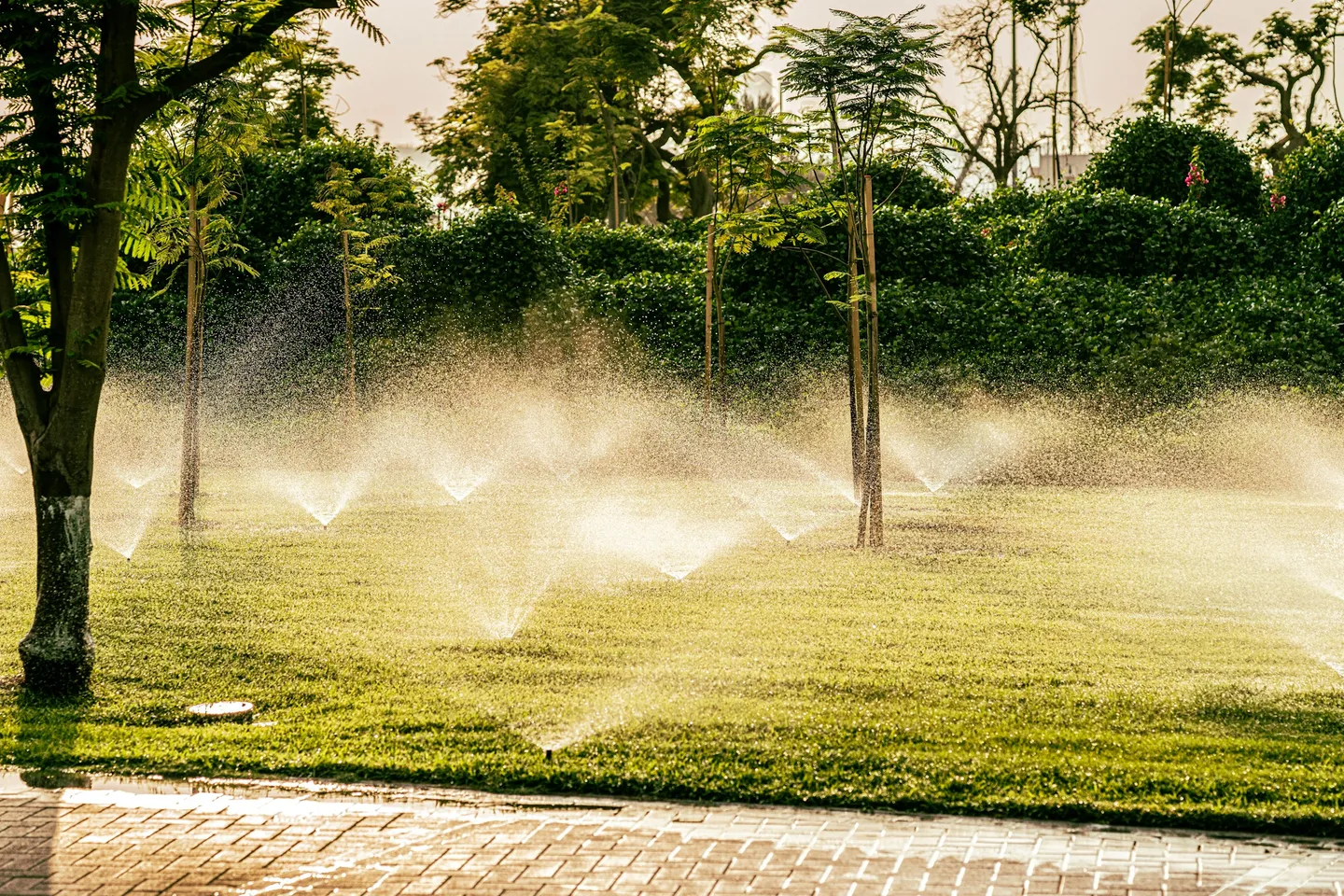
Photo by aboodi vesakaran on Unsplash
Discover how smart irrigation systems with weather integration can save water, reduce costs, and improve plant health on rural properties. Learn about the technology, benefits, installation considerations, and cost analysis for implementing these systems effectively.
Smart irrigation systems with weather integration can reduce water usage by 30-50% while maintaining healthier landscapes, with typical payback periods of just 1.5-2 years for rural properties. These automated systems use real-time weather data, soil moisture sensors, and scheduling algorithms to deliver water only when plants need it, eliminating waste from overwatering or irrigating during rain. For rural property owners managing large areas with limited water resources, smart irrigation turns a time-consuming manual task into an efficient, remotely monitored operation.
Rural properties present specific challenges for irrigation: longer pipe runs, variable terrain, multiple water sources, and often limited internet connectivity. Modern smart systems address these through flexible design options, offline operation capabilities, and compatibility with wells, cisterns, and surface water sources. The technology has matured, with systems ranging from $100 DIY upgrades to installations exceeding $5,000, so there are options for every budget and property size.
Understanding Smart Irrigation Technology for Rural Properties
Smart irrigation is a fundamental shift from timer-based watering to responsive, data-driven systems. Traditional irrigation controllers operate on fixed schedules regardless of weather conditions or plant needs. Smart systems continuously adjust watering based on multiple environmental factors, creating custom schedules that adapt daily to changing conditions.
The core of any smart system is its controller, essentially a computer that replaces your old irrigation timer. These controllers connect to the internet to receive weather data and can be managed remotely through smartphone apps. Zone-based controllers like the Rachio 3 or Hunter Hydrawise manage different areas of your property independently, letting you water your vegetable garden differently than your lawn or orchard. Systems typically support 8-24 zones, with commercial models expanding to 54 zones for large properties.
Drip irrigation systems offer the highest water efficiency, delivering water directly to plant roots through networks of tubes and emitters. Companies like Netafim have perfected pressure-compensating technology that ensures uniform water distribution even across sloped terrain, which matters for rural properties with elevation changes. Operating at just 15-30 PSI compared to 30-50 PSI for sprinklers, drip systems work well with lower-pressure well systems.
Weather integration works through evapotranspiration (ET) calculations, a scientific method that determines exactly how much water plants lose daily through evaporation from soil and transpiration through leaves. Smart controllers gather local temperature, humidity, wind speed, and solar radiation data to calculate precise watering needs. When rain is detected or forecast, systems automatically skip scheduled watering cycles. More advanced features include freeze protection that prevents irrigation when temperatures drop below 32°F and wind detection that reduces watering during high winds to prevent drift and waste.
Why Smart Irrigation Excels on Rural Properties
Rural properties benefit more than most from smart irrigation due to their particular characteristics and challenges. Managing large areas efficiently becomes possible through zone-based control that can handle varied terrain, multiple crop types, and different microclimates across a single property. A 5-acre property might have full-sun pastures, shaded garden beds, sloped orchards, and level lawns, each requiring different watering schedules and amounts.
Remote monitoring capabilities prove their worth when irrigation zones are scattered across large properties. Rather than driving to distant fields to check systems, owners receive smartphone alerts about leaks, system malfunctions, or completed watering cycles. Real-time flow monitoring can detect a broken pipe within minutes, preventing thousands of gallons of water waste and potential erosion damage. For properties relying on limited water resources like wells or cisterns, this immediate notification can mean the difference between maintaining adequate reserves and running dry.
The technology adapts well to different rural water sources. Well-based systems benefit from smart controllers that coordinate with variable-speed pumps, optimising pump cycling to reduce wear while maintaining adequate pressure. For cistern systems, smart controllers integrate with tank level monitors to prevent irrigation when water reserves drop below preset thresholds. Properties using pond or stream water can incorporate automatic backflush filters controlled by the irrigation system, maintaining consistent water quality without manual maintenance.
Seasonal adjustment features eliminate the constant reprogramming required with traditional timers. As days lengthen in spring, smart systems gradually increase watering. During summer heat waves, they automatically add extra cycles. Autumn brings gradual reductions as plants prepare for dormancy. This automation is especially valuable for rural properties with diverse plantings that would otherwise require hours of manual schedule adjustments throughout the year.
Installation Strategies for Rural Success
Installing smart irrigation on rural properties requires careful planning to address challenges like power availability, internet connectivity, and difficult terrain. For properties under one acre with simple layouts, DIY installation remains feasible, typically requiring 15-25 hours of work spread over several weekends. The process involves mapping your property, calculating water pressure and flow rates, trenching for pipes, installing components, and programming the smart controller.
Professional installation becomes advisable for larger properties, complex terrain, or when connecting to main water lines. Professionals bring hydraulic calculation expertise, commercial-grade trenching equipment, and knowledge of local codes. Expect to pay $2,500-$4,500 per quarter-acre for professional installation, though costs vary based on terrain difficulty and distance from urban centres. Rural installations often carry a 10-20% premium due to travel time and equipment transport.
The most cost-effective approach for many rural owners involves retrofitting existing irrigation systems with smart controllers. If your current pipes, valves, and sprinkler heads function properly, simply replacing the controller with a smart model costs $150-$500 and takes 1-2 hours. This upgrade immediately adds weather-based scheduling, remote control, and water-saving features without the expense of a complete system replacement.
Power and connectivity solutions require special attention in rural areas. Solar-powered options work well for remote locations, while battery backup systems protect against frequent rural power outages. For internet connectivity, many rural users find success with cellular hotspots, satellite internet, or mesh network systems that extend WiFi coverage across large properties. Controllers like the Orbit B-hyve that offer Bluetooth backup provide operation even when internet service fails.
Real Costs and Genuine Savings
Understanding the true costs of smart irrigation helps rural property owners make informed decisions. Budget DIY systems start at $100-$500, including basic smart controllers that retrofit existing systems. These entry-level options from Orbit and RAINPOINT provide weather-based scheduling and smartphone control, often sufficient for properties with straightforward irrigation needs.
Mid-range systems costing $500-$2,000 add professional-grade reliability and more features. The Rachio 3 16-zone controller at $280-$380 offers good value with sophisticated weather integration and a well-designed app interface. Hunter’s Hydrawise Pro-HC series ($300-$700) provides commercial-grade durability that matters for rural installations exposed to temperature extremes and power fluctuations.
Premium commercial systems exceeding $2,000 suit large properties with complex irrigation needs. These systems support 24-54 zones, offer advanced diagnostics, and integrate with farm management software. While the initial investment is substantial, payback periods average just 1.5-2 years through water savings alone.
Real-world savings data backs up these investments. EPA WaterSense certified systems save average households 9,000 gallons annually. Rural properties often see greater savings, with 30-50% reductions in water use, due to larger irrigated areas and elimination of inefficient manual watering. Studies have documented up to 72% water savings with soil moisture-based controllers under optimal conditions.
Financial incentives improve the picture further. Many water utilities offer rebates ranging from $30-$400 for smart controller installations. EPA WaterSense certification makes most quality systems eligible for these programmes. Factor in reduced water bills, lower energy costs from optimised pump operation, and potential property value increases of $5,000-$15,000, and smart irrigation becomes an investment rather than an expense.
Maintaining Your Investment Through the Seasons
Smart irrigation systems require less maintenance than traditional systems but benefit from seasonal attention to keep performance optimal. Spring startup involves gradually reactivating the system, checking for winter damage, and recalibrating smart settings. Turn water on slowly to prevent pipe damage from pressure surges. Test each zone individually, looking for broken sprinkler heads or signs of underground leaks indicated by unusually green patches or soggy areas.
Monthly maintenance during growing season takes just 30 minutes but prevents major problems. Walk your property checking spray patterns and looking for dry spots that indicate clogged nozzles or pressure problems. Clean filters monthly, which is especially important for systems using pond or well water. Smart systems simplify this process by alerting you to abnormal flow rates that indicate developing problems.
Winterisation proves critical for rural properties in freeze-prone regions. Smart systems help by providing freeze warnings and automatically shutting down when temperatures approach dangerous levels. Professional winterisation costs $75-$150 but protects your investment from freeze damage. The process involves draining all water from pipes using compressed air, insulating backflow preventers, and storing removable components indoors.
Common rural challenges have straightforward solutions. Connectivity issues affect many rural installations, but choosing controllers with offline operation capabilities and Bluetooth backup ensures continued function. Power outages will not disrupt watering schedules if you install simple battery backup systems. When soil moisture sensors fail, often due to rodent damage or corrosion, wireless models simplify replacement without trenching new wire runs.
Choosing the Right System for Your Rural Property
Product selection should match your property’s specific needs, technical comfort level, and budget. For simple upgrades under $200, the Orbit B-hyve 8-zone controller offers good value with dual WiFi/Bluetooth connectivity that matters for rural areas with unreliable internet. Its weatherproof housing handles outdoor installation, and EPA WaterSense certification qualifies for utility rebates.
Properties requiring more sophisticated control benefit from the Rachio 3 series ($170-$380), consistently rated as having the best smartphone app and most intelligent weather algorithms. The 16-zone model handles most residential and small farm applications. Add a weatherproof enclosure for outdoor mounting, and consider the wireless flow meter for leak detection on large properties.
Professional-grade installations should consider Hunter’s Hydrawise Pro-HC series ($300-$700). Built to commercial standards, these controllers withstand power fluctuations and temperature extremes common in rural areas. Advanced diagnostic features help identify wiring faults and valve failures before they waste water. The contractor portal allows remote troubleshooting, which is valuable when professional help might be hours away.
For large properties with complex needs, systems like Hunter’s HCC series support up to 54 zones with extensive programming flexibility. While costing $1,500-$3,000, these controllers manage diverse irrigation needs from residential lawns to agricultural crops. Flow monitoring, pump control integration, and fertigation compatibility make them suitable for serious rural applications.
Consider future expansion when selecting systems. Starting with an 8-zone controller when you only need 6 zones provides room to grow. Choose manufacturers with strong track records and continued support. Rain Bird, Hunter, and Toro have supplied irrigation equipment for decades, so parts availability and technical support are established.
The Future of Rural Water Management
Smart irrigation technology continues developing to better serve rural properties. Manufacturers now recognise rural challenges, developing better connectivity solutions including satellite communication and long-range wireless protocols. Machine learning algorithms are growing more sophisticated, predicting plant water needs based on growth stages and historical patterns rather than simple weather data.
Integration with broader farm management systems allows smart irrigation to become part of wider property automation. Soil sensors, weather stations, and irrigation controllers share data to optimise not just watering but fertilisation, pest management, and harvest timing. For rural properties producing food or managing livestock, these integrations multiply efficiency gains.
The technology pays for itself through water savings, reduced labour, and healthier landscapes. Rural property owners who invest in smart irrigation today position themselves for increasingly scarce water resources and rising utility costs. With options from $100 DIY upgrades to commercial systems, every rural property can benefit from weather-based irrigation.
Smart irrigation is mature, proven technology that solves real problems for rural landowners. By removing guesswork from watering decisions and automating tedious manual tasks, these systems free owners to focus on enjoying and improving their properties rather than constantly adjusting irrigation schedules. The combination of water conservation, labour savings, and plant health improvements makes smart irrigation a worthwhile upgrade for modern rural properties.