
Spring Water Collection and Management for UK Rural Properties
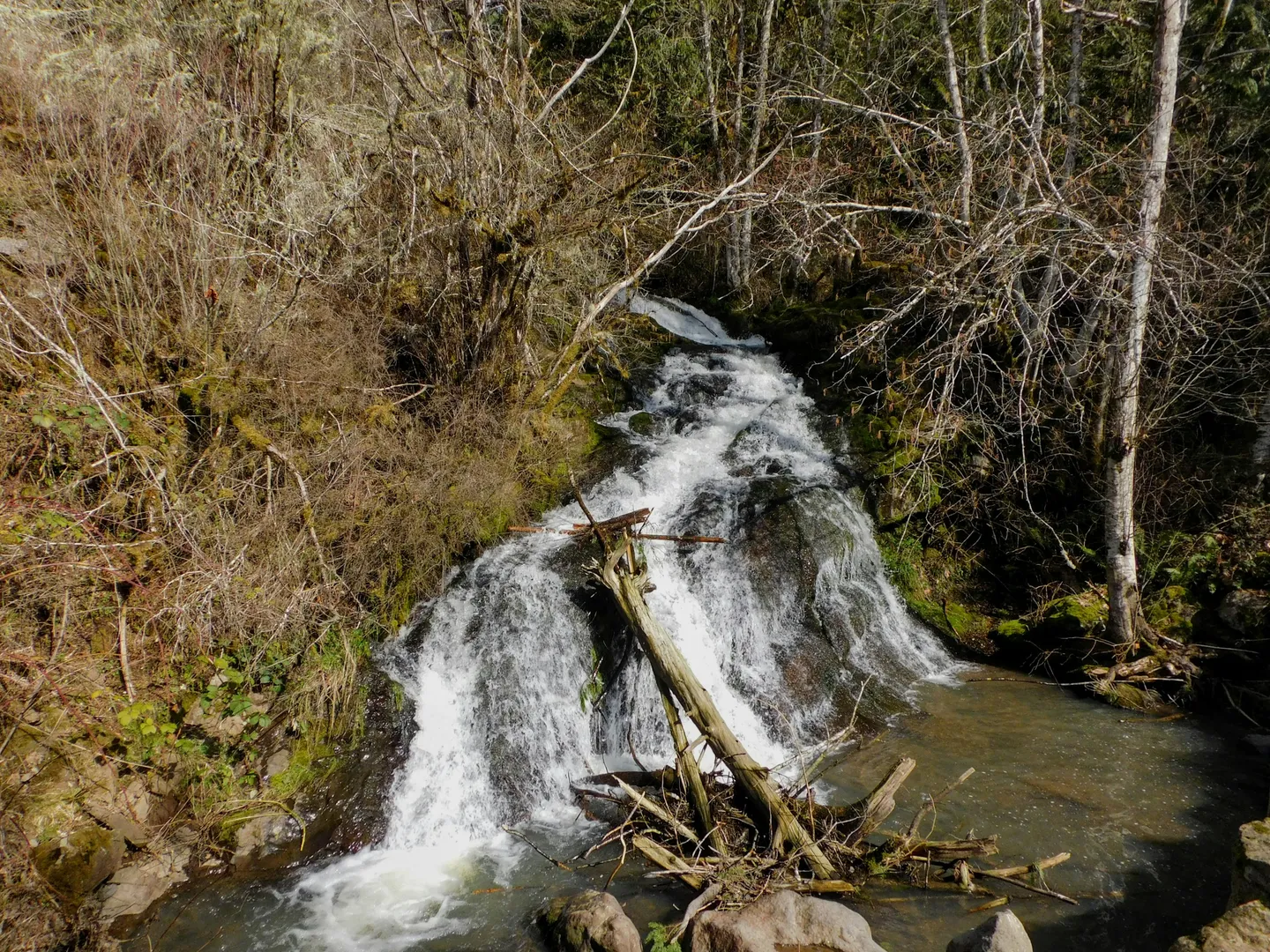
Photo by Peter Robbins on Unsplash
Private spring water systems offer rural property owners genuine independence from mains water supply, but they demand careful planning, regulatory compliance, and consistent management. Around 1-3% of the UK population relies on private water supplies, with most concentrated in remote rural areas where mains connection is either impractical or prohibitively expensive. A properly designed spring water system can provide decades of reliable service at a fraction of the cost of a distant mains connection, though failures can result in unsafe drinking water, property devaluation, and regulatory penalties.
This guide examines every aspect of spring water collection and management across England, Scotland, Wales, and Northern Ireland, drawing on current 2024-2025 regulations, costs, and practical requirements. Whether you’re assessing an existing spring on your property or considering spring water as an alternative to expensive mains connection, understanding the legal framework, technical requirements, and ongoing responsibilities is essential before making any commitments.
Water Abstraction Licensing Requirements
Water abstraction in the UK operates under licensing systems designed to protect water resources and downstream users. The critical threshold for most rural property owners is 20 cubic metres per day—abstractions below this level are typically exempt from licensing requirements, though the rules vary significantly across the four nations.
England operates under the Water Resources Act 1991 and Water Act 2003, administered by the Environment Agency. Abstractions of 20 cubic metres per day or less from a single source are exempt from licensing requirements. This equates to approximately 20,000 litres daily, which far exceeds typical household consumption. A four-person household uses roughly 600 litres daily, so most domestic spring abstractions fall well within the exemption. Abstractions exceeding this threshold require a full abstraction licence, with application fees starting at £2,150 for volumes up to 50 megalitres annually, plus ongoing annual subsistence charges of £100-£500 depending on volume and water availability in your catchment.
Wales follows the same 20m³/day threshold under the Water Resources Act as administered by Natural Resources Wales, but licence application fees are considerably higher. A full abstraction licence costs £6,713, with additional charges of £974 for Habitats Regulations Assessment if required. Since 1 January 2018, many previously exempt activities in Wales now require licences, including certain geographically exempt areas in North, West, and South West Wales.
Scotland operates under different legislation entirely. The Water Environment (Controlled Activities) (Scotland) Regulations 2011, known as CAR and administered by SEPA, uses more restrictive thresholds. Abstractions of 10m³/day or less are exempt under General Binding Rules with no registration required. Abstractions between 10-50m³/day require registration with SEPA, while anything exceeding 50m³/day requires a full abstraction licence.
Northern Ireland’s system under NIEA uses a tiered approach. Abstractions under 10m³/day require no application or notification. Between 10-20m³/day, notification to NIEA is required though there’s no fee, and you must comply with specified conditions. Abstractions exceeding 20m³/day require either a simple or complex licence depending on volume.
For most domestic spring water users across the UK, abstractions will fall comfortably under these thresholds. However, if you plan to supply multiple properties, run agricultural operations, or develop any commercial enterprise using spring water, you must carefully assess whether licensing applies. The penalties for unlicensed abstraction are severe—up to two years imprisonment or unlimited fines under conviction on indictment.
Private Water Supply Regulations
Beyond abstraction licensing, all private water supplies are subject to drinking water quality regulations enforced through local authorities. These regulations require registration, risk assessment, and water quality monitoring to protect public health, regardless of how much water you abstract or whether you need an abstraction licence.
The Private Water Supplies (England) Regulations 2016 categorise supplies into several types with different regulatory obligations. Single private dwellings that are owner-occupied face no routine monitoring requirements unless the occupier requests testing. Small domestic supplies serving fewer than 50 people and providing less than 10m³/day with no commercial use require risk assessment every five years, with sampling frequency determined by that risk assessment. Large or commercial supplies serving 50 or more people, or any supply used for commercial activity regardless of size, require annual Group A monitoring and risk assessment every five years.
This commercial activity threshold is critical for landlords and holiday let owners. If you rent out a property or run a bed and breakfast, holiday let, food business, or any commercial activity, your supply automatically becomes a “relevant supply” requiring more stringent monitoring regardless of size. This catches many rural property owners by surprise when they start renting holiday accommodation.
Local authorities have powers to conduct risk assessments, typically capped at £500, take samples at up to £100 per visit, serve improvement notices, and ultimately restrict or prohibit supply use if water quality standards are not met. Failure to comply with an improvement notice is a criminal offence. Wales follows similar requirements under the Private Water Supplies (Wales) Regulations 2017.
Scotland operates a dual framework that can be confusing. The Water Intended for Human Consumption (Private Supplies) (Scotland) Regulations 2017 applies to “Regulated Supplies” serving 50 or more people or any commercial or public activity. The Private Water Supplies (Scotland) Regulations 2006 covers “Type B Supplies” serving fewer than 50 people for domestic purposes only. Scotland uniquely offers grants of up to £800 per property through the Private Water Supplies (Grants) (Scotland) Regulations 2006 for supply improvements, a significant benefit not available elsewhere in the UK.
Northern Ireland is covered by the Private Water Supplies Regulations (Northern Ireland) 2017, which follows broadly similar principles to the other nations.
Water Rights and Spring Ownership
Riparian rights form the common law basis for water access in the UK. A landowner whose property contains or borders a natural watercourse has certain rights and responsibilities established through centuries of case law. These include the right to receive water in its natural quantity and quality, the right to abstract up to 20m³ per day for domestic and agricultural purposes without licence, the right to protect property from flooding and erosion, and presumed ownership to the centre of watercourses crossing the property.
For spring water specifically, a spring emerging on private land generally gives the landowner the right to use that water. Underground percolating water before it reaches a defined channel has no riparian protection, meaning the landowner can capture it without interfering with others’ rights. However, once water enters a defined watercourse, riparian rights attach and downstream users gain protections. This means you cannot simply divert all water from a spring that feeds a stream if doing so would deprive downstream users of water they’re entitled to receive.
Springs on common land present considerable legal complexity. Multiple user interests, local bylaws, and the Commons Act 2006 may all apply. Professional legal advice is essential before abstracting from springs on common land, as the rights of commoners, local residents, and the landowner may all intersect in complex ways.
Planning and Building Requirements
Planning permission is generally not required for small-scale spring collection infrastructure, pipework, and tanks for domestic use under permitted development rights. However, planning permission is likely required for significant engineering works, pump houses or treatment buildings, large visible storage tanks, works in National Parks or Areas of Outstanding Natural Beauty, works affecting listed buildings, or development near protected habitats.
Building regulations apply to spring water systems through several mechanisms. Building Regulations Part G in England and Wales covers sanitation and water supply. The Water Supply (Water Fittings) Regulations 1999 mandates backflow prevention and materials standards. Scottish Building Standards and Northern Ireland Building Regulations have equivalent requirements.
If connecting a spring supply to a mains backup system, backflow prevention becomes critical. Private spring water is typically classified as Category 5 (serious health hazard) fluid under the regulations, requiring a physical air gap when connected to mains water systems. You cannot simply install a valve to switch between spring and mains water—the regulations require a Type AA or AB air gap break tank to prevent any possibility of contamination flowing back into the mains supply.
Environmental Protection and Enforcement
The Water Framework Directive, implemented across the UK, requires all water bodies to achieve “Good Ecological Status” by 2027. New abstractions are assessed for compliance, and existing licences may face review if they’re found to compromise water body status. Sites of Special Scientific Interest, Special Areas of Conservation, and other protected areas add additional scrutiny to abstraction applications. The Environment Agency must ensure no possibility of deterioration of protected habitats from licensed abstraction.
Even for exempt abstractions below licensing thresholds, property owners have a responsibility not to damage watercourses or habitats through their activities. The Environment Agency has increased enforcement activity considerably in recent years, issuing 70 enforcement actions to farmers in Devon and Cornwall alone over 2023-2025 for unlicensed abstraction. The penalties are substantial—summary conviction can result in imprisonment up to 51 weeks or unlimited fines, while conviction on indictment can mean imprisonment up to two years or unlimited fines.
Assessing Spring Viability
Before investing in spring water infrastructure, thorough assessment determines whether your source can reliably meet your needs year-round. Springs form where groundwater reaches the surface, but the mechanism varies significantly depending on local geology.
Gravity or descending springs are the most common UK type. Water flows to the surface under unconfined conditions where the water table intersects the land surface, typically along hillsides where permeable rock meets an impermeable barrier. Artesian springs discharge under pressure from confined aquifers, forcing water upward through gaps in overlying impermeable layers, though these have become rarer as heavy pumping has lowered water tables. Contact springs form at boundaries between permeable and impermeable rock layers, common in UK limestone, sandstone, and shale formations. Fracture or fault springs emerge along natural cracks or fault lines, particularly in crystalline rocks like granite, with flow characteristics varying significantly depending on fracture network connectivity.
Regional geological considerations significantly affect spring reliability. Southern and Eastern England’s chalk aquifers produce hard water with good yields but vulnerability to agricultural pollution and significant seasonal variation. Southwest England’s granite produces low yields with acidic water that may contain radon. Welsh slate regions show variable quality dependent on fracture flow. The Scottish Highlands’ crystalline basement provides limited yields with soft acidic water. Midlands and Northern England’s Permo-Triassic Sandstones generally offer good quality and reliability. Yorkshire and Lincolnshire’s Carboniferous and Magnesian Limestone features karstic characteristics with variable yields and quick contamination pathways.
The British Geological Survey provides essential resources including hydrogeological maps, aquifer designation datasets, groundwater vulnerability maps, and access to over one million borehole and well records through their National Well Record Archive. Consulting these resources before committing to spring development can save considerable expense by identifying potential problems early.
Measuring Spring Flow Rates
The standard bucket test remains the most practical flow measurement method for most rural property owners. Use a container of known volume between 5-25 litres, time how long it takes to fill using a stopwatch, conduct minimum three trials and average the results, then calculate flow rate in litres per minute by dividing volume by time. While simple, this method provides sufficiently accurate data for domestic supply assessment.
Building Regulations permit maximum 125 litres per person per day for new dwellings, though average UK households actually use around 150 litres per person per day. Practical minimum spring yield sits around 5-10 litres per minute at source. Flow rates below 10 litres per minute are considered low and may require significant storage buffering to provide adequate supply throughout the day.
Seasonal variation monitoring is critical because springs can vary dramatically throughout the year. Winter rainfall patterns drive aquifer recharge primarily from November through April, while summer evaporation rates and drought conditions can severely reduce flow. The recommended monitoring period is a full 12-month cycle minimum, ideally multiple years to understand drought resilience. Critical measurement points are late summer and autumn when flows typically reach their lowest, and spring when flows typically peak.
Climate change is increasing variability considerably. The Environment Agency warns that private supplies in less productive aquifer areas can reduce or ultimately dry up during drought. 2022 saw the hottest summer on record and driest since 1995, while 2025 has seen the driest spring in 132 years in many regions. Building climate resilience into your system design is increasingly essential rather than optional.
Initial Water Quality Assessment
Visual and sensory indicators provide initial quality assessment before laboratory testing. Turbidity or cloudiness indicates sediment or contamination. Colour variations like rust suggest iron while green tints indicate algae. Odours such as sulfur or rotten egg smells, or earthy and musty smells, signal potential problems. Visible debris or surface film are obvious red flags.
Field testing kits can assess pH, iron, manganese, hardness, and aluminium levels. These are useful for initial screening but should never substitute for proper laboratory analysis before committing to using spring water for drinking.
Several red flags indicate potentially unreliable or contaminated springs. Location near agricultural land creates nitrate risk from fertiliser runoff. Proximity to septic systems or livestock areas suggests faecal contamination risk. Visible surface runoff entry points indicate the spring is not properly sealed from surface water. Springs emerging below farmyards are particularly vulnerable to contamination. Turbidity after rainfall strongly indicates surface water infiltration rather than true groundwater emergence. Proximity to mining areas creates heavy metal contamination risk.
Professional Hydrogeological Assessment
Professional assessment is strongly recommended before significant investment in any spring water system. A Chartered Geologist or hydrogeologist can provide essential services that may save thousands of pounds by identifying fatal flaws before you commit resources.
Desktop study phase typically costs £500-£1,000 and includes review of existing geological and hydrological data, BGS borehole record database searches, geological maps and remote sensing analysis, historical spring records review, and aquifer designation and vulnerability mapping. This work can often be completed remotely without site visits.
Full hydrogeological survey costs £900-£2,500 depending on site complexity and includes geophysical surveys using electrical resistivity or seismic refraction, aquifer testing to determine reliable yields, water quality assessment with professional sampling, treatment requirement recommendations based on contamination profile, and formal risk assessment meeting regulatory requirements.
Professional assessment becomes legally required rather than optional when abstraction exceeds licensing thresholds, the supply will serve commercial premises of any kind, environmental impact assessment is triggered by planning considerations, or Habitats Regulations Assessment applies due to protected sites.
Chartered Geologist status is awarded by the Geological Society of London, requiring Fellowship status plus five or more years of post-graduate experience, peer assessment demonstrating competence, and ongoing continuing professional development. CIWEM membership represents another key qualification—the Chartered Institution of Water and Environmental Management awards Chartered Water and Environment Manager status to professionals with Honours degrees and five or more years of industry experience.
Comparing Springs to Alternative Water Sources
When spring water is one option among several, comparative analysis helps determine the best investment for your specific circumstances. Installation costs for spring water systems typically range from £5,000-£15,000 depending on complexity, reliability varies considerably with springs being notably drought-susceptible, water quality often requires biological treatment, and annual running costs sit around £700-£1,200 for testing and maintenance.
Borehole systems cost significantly more at £20,000-£35,000 for installation but generally offer more reliable supply from deeper sources. Water quality often requires chemical treatment for minerals like iron and manganese. Annual running costs range from £800-£1,500 including electricity for pumping, with better drought resilience than springs.
Mains connection costs vary enormously with distance from existing infrastructure. Standard domestic connections near existing mains cost £2,500-£4,000, offering highly reliable supply with water treated to standard. However, costs escalate dramatically with distance—a half-mile connection can exceed £25,000-£35,000 due to highway excavation, traffic management, and reinstatement requirements. Annual running costs are just £400-£500 in water bills, with excellent drought resilience.
Borehole drilling costs have increased significantly in recent years, with 2024-2025 prices ranging from £60-£130 per metre depending on local geology. A typical 60-metre borehole complete with pump costs £10,000-£16,000, rising to £20,000-£35,000 for deeper or difficult drilling conditions.
For remote rural properties, the break-even calculation often favours private supply, with mains connection costs exceeding 30 or more years of water bills. A property one kilometre from the nearest main might face £40,000-£50,000 in connection costs, making spring or borehole development far more economical despite higher ongoing maintenance requirements.
UK Drinking Water Quality Standards
All drinking water in the UK, whether from mains or private supplies, must meet stringent quality standards derived from European legislation and now enshrined in domestic regulations. The standards enforced by the Drinking Water Inspectorate apply regardless of whether your supply serves one dwelling or hundreds.
Microbiological parameters must meet absolute zero tolerance. Escherichia coli, Enterococci, and Coliform bacteria must all be zero per 100ml. Any detection of these organisms in drinking water indicates faecal contamination and represents a serious health hazard requiring immediate action.
Key chemical parameters include maximum values that must not be exceeded. Nitrate must remain below 50 mg NO₃/l, lead below 10 µg/l, arsenic below 10 µg/l, and copper below 2.0 mg/l. Individual pesticides must not exceed 0.10 µg/l, with total pesticides capped at 0.50 µg/l.
Indicator parameters guide water quality but have slightly less stringent enforcement. Iron should stay below 200 µg/l, manganese below 50 µg/l, pH between 6.5-9.5, and turbidity below 4 Nephelometric Turbidity Units. These standards apply regardless of whether your supply is a single dwelling or serves hundreds of people—the difference lies in testing frequency and regulatory oversight.
Water Quality Testing Requirements
Testing obligations vary by supply type under the Private Water Supplies Regulations. Large or commercial supplies falling under Regulation 9 require risk assessment every five years and Group A testing based on volume supplied, with Group B audit testing required annually at minimum. Small domestic supplies under Regulation 10 need risk assessment every five years with minimum testing every five years or more frequently if the risk assessment determines higher frequency necessary. Single owner-occupied dwellings face risk assessment only on request, with testing also only on request.
Group A basic monitoring includes E. coli, coliforms, colony counts, colour, conductivity, pH, odour, taste, and turbidity. Group B audit monitoring covers the full suite of chemical parameters, pesticides, radioactive substances, and disinfection by-products. Even for single dwellings with no mandatory testing requirement, annual microbiological testing provides essential reassurance and early warning of problems.
The Drinking Water Inspectorate explicitly advises that testing alone doesn’t make water safe—regular maintenance checks are far more important than occasional sampling. This reflects real-world experience that most private supply failures result from infrastructure deterioration or contamination pathway changes rather than gradual water quality decline that testing would detect.
Finding Accredited Testing Laboratories
Laboratories must hold UKAS accreditation to ISO/IEC 17025:2017 and ideally Drinking Water Testing Specification status for regulatory compliance sampling. The UKAS directory at ukas.com allows searching for DWTS-accredited laboratories by location across the UK.
Notable accredited laboratories include South West Water Laboratory in Exeter holding UKAS 1361, Somerset Scientific Services with UKAS 0369, Northumbrian Water Scientific Services, Scottish Water holding UKAS 1565, and Eurofins Water Hygiene Testing UK Ltd with UKAS 9658. Using UKAS-accredited laboratories ensures your results will be accepted by local authorities if regulatory compliance is questioned.
Water testing costs for 2024-2025 show considerable variation depending on test scope. Basic bacteria testing for E. coli and coliforms typically costs £40-£100. Group A parameter suite testing ranges from £100-£150. Comprehensive testing covering 30 or more parameters costs £180-£275. Full Group B audit suite testing reaches £300-£500. Local authority sampling visits if you request them typically cost £75-£125 for the visit plus laboratory analysis costs.
Turnaround times are reasonably quick for most tests. Microbiological results typically arrive within 24-72 hours, while full chemical analysis takes 7-10 working days. This allows relatively quick decision-making if contamination is detected.
Common Spring Water Contaminants
Microbiological contamination remains the most common problem in UK private supplies. E. coli failures affect 3% of all private supplies according to 2022 data, indicating faecal contamination from animals or humans that presents serious immediate health risks. Enterococci shows 5.1% failure rate as another faecal indicator. Cryptosporidium proves particularly problematic because it resists chlorine disinfection, requiring UV treatment or fine filtration for removal, and is particularly associated with cattle farming areas.
Chemical contamination varies regionally depending on local geology and land use. Nitrates from agricultural fertiliser runoff show 91.95% failure rate in large private supplies, prevalent particularly in intensive farming areas. Manganese from natural geological origin shows 94.07% of large private supply failures, common especially in upland areas. Lead from old pipework or geological sources presents neurological risks particularly for children. Iron from geological sources or pipe corrosion primarily causes aesthetic issues rather than health risks. Radon, a natural radioactive gas from granite, presents high-risk in Cornwall, Devon, parts of Scotland, and Derbyshire.
PFAS chemicals, often called “forever chemicals”, represent an emerging concern. The Drinking Water Inspectorate currently advises levels should remain below 0.1 µg/l, though this is an evolving area as understanding of these persistent chemicals develops.
UV Disinfection Systems
Ultraviolet treatment is the standard solution for microbiological contamination in private supplies. UV light at 254nm wavelength destroys bacteria, viruses, and protozoa without adding chemicals to the water. This makes it preferable to chlorination for small domestic supplies where maintaining consistent chlorine residual proves difficult.
Critical requirements for effective UV treatment include pre-filtration to minimum 5 microns to remove particles that could shield microorganisms from UV light, turbidity must be below 1 NTU for UV penetration, annual lamp replacement since lamps degrade after 9,000-12,000 hours operation, and regular quartz sleeve cleaning to remove mineral buildup that blocks UV transmission.
UV system costs for 2024-2025 vary by flow rate capacity. Systems handling 2-3 litres per minute suitable for single point of use cost £150-£300. Units managing 8-15 litres per minute appropriate for 1-2 bathroom properties range from £250-£500. Systems handling 25-45 litres per minute suitable for 2-3 bathroom properties cost £400-£700. Larger systems handling 45 litres per minute or more for large homes or commercial use reach £600-£1,500.
Key UK suppliers include Silverline UK, which holds WRAS approval under Certificate 1301081, along with Aqua Cure, Direct Water Filters, and Osmio Water. Using WRAS-approved equipment ensures regulatory compliance and proper performance.
Filtration and Specialist Treatment
Filtration systems serve multiple purposes depending on what your water testing reveals. Sediment filters at 20 microns remove larger particles and typically cost £30-£80 for replacement cartridges every 3-6 months. Sediment filters at 5 microns provide pre-UV fine filtration essential for UV system effectiveness, costing £30-£80 with similar replacement frequency. Activated carbon filters remove chlorine, improve taste and odour, costing £50-£150 with 6-12 month cartridge life. Ceramic filters remove bacteria and sediment, costing £100-£300 for the unit with annual replacement. GAC and KDF combination filters address heavy metals and taste issues, costing £80-£200 with annual replacement.
Specialist treatment becomes necessary for specific contaminants identified through testing. Iron and manganese require oxidation plus filtration using Birm or Greensand media, with equipment costing £800-£2,000. Low pH acidic water needs calcite or soda ash dosing systems costing £500-£1,500. Nitrates require ion exchange or reverse osmosis systems costing £800-£2,500. High hardness is addressed with water softeners costing £500-£1,500.
Complete treatment packages combine multiple elements based on your specific water quality. Basic packages with 5 micron filter plus UV cost £400-£700 for equipment or £600-£1,200 installed. Standard packages combining 20 micron, 5 micron, carbon, and UV filtration cost £500-£900 for equipment or £1,000-£2,000 installed. Comprehensive multi-stage systems with UV and specialist treatment cost £700-£1,200 for equipment or £2,000-£4,000 installed. Whole house systems for challenging water with all stages plus softener or iron removal reach £1,500-£3,000 or more for equipment, £3,000-£6,000 or more installed.
Treatment System Maintenance
Ongoing maintenance represents a critical ongoing cost that many property owners underestimate. UV lamp replacement every year costs £30-£80 per lamp. UV quartz sleeves need replacement every 2-3 years at £40-£100 each. Sediment filter cartridges require replacement every 3-6 months at £10-£30 each. Carbon cartridges need replacement every 6-12 months at £20-£50 each. Professional annual service visits cost £80-£150 and are strongly recommended to ensure systems continue operating effectively.
Failing to maintain treatment systems represents false economy. A UV lamp that has exceeded its rated life may appear to be working but no longer produces sufficient UV intensity to kill microorganisms effectively. This creates a dangerous situation where you believe your water is being treated when it actually isn’t.
Spring Capture Design
The spring box or collection chamber forms the foundation of any collection system—a sealed chamber where groundwater collects before distribution. Proper design protects water quality from surface contamination that could render your entire investment worthless.
Essential design features include water entering through the base or side rather than top to prevent surface water entry, top of chamber positioned above ground level with lockable watertight access cover, overflow pipe appropriately sized for maximum spring flow to prevent flooding, outlet pipe with strainer positioned above chamber floor, all materials chosen specifically not to impair water quality, fenced perimeter with minimum 9 metre clearance recommended, and upslope diversion ditch to intercept surface water before it can reach the spring chamber.
Materials options each have advantages and typical costs. Concrete or masonry construction provides durability using traditional methods, typically costing £500-£1,500 for materials plus labour. HDPE or MDPE plastic offers lightweight construction with corrosion resistance, with prefabricated units costing £200-£600. GRP fibreglass provides strong watertight construction with WRAS-approved options available, typically costing £400-£1,000 for suitable units.
The perimeter fencing and upslope drainage often receive insufficient attention during installation but prove critical for long-term water quality. Sheep, cattle, deer, and even rabbits can contaminate springs if they can access the immediate area. Surface water running off fields or roads carries bacteria, nitrates, and other contaminants. Proper site protection prevents these issues rather than trying to treat them downstream.
Pipework Specifications and Costs
MDPE or Medium Density Polyethylene is the UK standard for private water supply pipework, having replaced older materials due to its flexibility, durability, and resistance to corrosion. The material meets BS EN 12201, which replaced the older BS 6572 standard. MDPE must have WRAS and Drinking Water Inspectorate approval for potable water use. Blue colouring is used for potable water pipework but only for below-ground installation—above ground the colour degrades in sunlight. Common sizes include 25mm as the domestic standard, with 32mm and 50mm for higher flows.
MDPE pipe costs for 2024-2025 vary by size and coil length. 20mm pipe costs £35-£50 for 50 metre coils or £65-£90 for 100 metre coils. 25mm pipe costs £45-£65 for 50 metres or £85-£120 for 100 metres. 32mm pipe costs £65-£95 for 50 metres or £120-£170 for 100 metres. 50mm pipe costs £130-£180 for 50 metres or £250-£350 for 100 metres. Key suppliers include JDP, Cotterill Civils, BES, and McVeigh Parker.
Freeze protection requires attention in UK conditions despite our relatively mild climate. UK burial depth minimum under Water Regulations is 750mm cover, though 900mm or more is recommended in colder northern regions and Scotland. Above-ground pipe runs require insulation using minimum 19mm foam lagging, or heat trace cables in particularly frost-prone areas. Frozen pipes can burst, causing significant damage and leaving you without water at the worst possible time.
Gravity-Fed Versus Pumped Systems
Gravity-fed systems where the spring is higher than point of use offer significant advantages worth pursuing if your site allows. No electricity is required for operation, running costs remain minimal, there’s no risk of pump failure leaving you without water, and long-term reliability proves excellent with fewer mechanical components to fail.
The key calculation uses elevation difference to determine available pressure. Every 10 metres of elevation provides approximately 1 bar of pressure. A spring 30 metres above your house delivers 3 bar pressure—excellent for domestic use without any pumping. Even 15 metres of elevation provides 1.5 bar, adequate for most domestic fixtures.
Pumped systems become necessary when the spring is at the same level or below point of use, insufficient natural head exists for required pressure (domestic fixtures typically need 1.5-3 bar), or long horizontal pipe runs with friction losses exceed available head even if the spring is somewhat elevated. Pumping adds complexity, ongoing electricity costs, maintenance requirements, and introduces a mechanical failure point into your system.
Storage Tank Selection
Tank sizing determines how well your system can buffer variations in spring flow and household demand. The basic formula multiplies daily use by buffer days required, then adds 20% contingency. Domestic consumption estimates suggest average UK households use 150-200 litres per person per day, though Building Regulations target 125 litres per person per day for new construction. A family of four typically consumes 500-800 litres daily.
Buffer recommendations vary by circumstances. Minimum storage is one day’s supply, but this leaves no margin for problems. Recommended storage for rural properties is 2-3 days supply, allowing you to maintain supply during system maintenance or minor spring flow reductions. Properties in drought-prone areas or with particularly variable springs should consider 3 or more days storage.
WRAS-approved potable water storage tank costs for 2024-2025 vary considerably by capacity. 1,000 litre tanks cost £180-£350 excluding VAT. 1,500 litre tanks cost £250-£400. 2,500 litre tanks cost £350-£500. 5,000 litre tanks cost £500-£750. 10,000 litre tanks cost £800-£1,200. Major UK suppliers include The Tank Shop, Tanks For Everything, Direct Water Tanks, and Enduramaxx.
Underground tanks carry a 20-40% cost premium over above-ground equivalents but offer frost protection and visual concealment that may be worth the extra cost depending on your site and preferences. All tanks must be fitted with Byelaw 30 Kit in England and Wales or Byelaw 60 Kit in Scotland—these screened overflow vents prevent contamination from insects and debris while allowing excess water to escape safely.
Pump and Pressure Systems
Booster pump systems maintain consistent pressure regardless of tank level and demand fluctuations, providing mains-equivalent pressure even from variable private supplies. Grundfos Home Booster Sets are widely used in the UK market, with 2024-2025 prices showing the 3.0 Bar Home Booster delivering 3.6 bar maximum pressure with 200 litre integral tank costing £1,200-£1,600. The 4.5 Bar Home Booster provides 4.5 bar with 200 litre integral tank for £1,400-£1,800. CMBE single pump systems with variable pressure but no integral tank cost £600-£1,000.
Pressure vessels or accumulator tanks reduce pump cycling frequency and extend pump life by providing a buffer of pressurised water. These cost £50-£400 depending on size and prevent the pump from starting every time someone opens a tap for a few seconds.
Mains Backup Connections
For properties wanting resilience against spring failure during drought or contamination incidents, mains backup offers reassurance but requires careful design due to backflow prevention requirements. Private spring water is classified as Category 5 fluid under Water Fittings Regulations—serious health hazard. This means connection to mains supply requires a Type AA or AB air gap break tank, not a simple valve arrangement.
CAT 5 AB Air Gap Break Tanks start from £341 plus VAT for 300 litre capacity units. Automatic changeover systems can switch between spring and mains supply when spring flow drops below a threshold or contamination is detected, though these add significant complexity and cost to the installation.
Building Regulations Compliance
The Water Supply (Water Fittings) Regulations 1999 in England and Wales, Water Supply (Water Fittings) (Scotland) Byelaws 2014, and Water Supply (Water Fittings) Regulations (Northern Ireland) 2009 govern all water fittings to prevent waste, misuse, and contamination. Key requirements include all products in contact with drinking water should be WRAS-approved, backflow prevention appropriate to fluid category risk must be installed, non-return valves at appropriate points, and notification to water company for certain works if connecting to mains supply.
Building Regulations Part G in England and Wales requires at least one tap supplying wholesome water (typically the kitchen sink), maximum 125 litres per person per day for new dwellings to promote water efficiency, and hot water safety provisions to prevent scalding.
Professional Installation Considerations
Generally permissible DIY work when not connecting to mains includes spring box construction, underground pipework installation, above-ground tank installation, basic pump installation, UV system installation, and filtration system installation. However, you remain responsible for ensuring all work meets relevant standards and regulations.
Work requiring professional or approved installer involvement includes connection to mains water supply, installation requiring compliance certificate under Water Fittings Regulations, and unvented hot water systems over 15 litres capacity.
WaterSafe at watersafe.org.uk is the primary national register of approved plumbing professionals. Members can self-certify certain works and issue Certificates of Compliance, providing you with regulatory protection. Approved contractor schemes feeding into WaterSafe include WIAPS (Water Industry Approved Plumbers’ Scheme) for England and Wales, CIPHE (Chartered Institute of Plumbing & Heating Engineering) UK-wide, APHC (Association of Plumbing & Heating Contractors) for England and Wales, and SNIPEF (Scottish and NI Plumbing Employers’ Federation).
Minimum qualifications for water supply work include NVQ Level 2 in Mechanical Engineering Services (Plumbing) or equivalent, recognised Water Fittings Regulations qualification, and public liability insurance with minimum £2 million cover recommended. When interviewing contractors, ask what professional accreditations or memberships they hold, request certificate numbers for verification, confirm they have professional indemnity insurance, ask about their experience with private water supplies specifically, and verify they’re familiar with current Private Water Supplies Regulations.
Red flags suggesting unsuitable contractors include inability to provide accreditation numbers, no insurance documentation available, no experience with private supplies, unfamiliarity with regulations, significantly cheaper quotes than other contractors without clear explanation, and pressure to start immediately without proper survey and planning.
Installation labour rates for 2024-2025 show plumbers charging £40-£80 per hour or £200-£350 per day, groundworkers £200-£350 per day, and water treatment engineers £250-£400 per day. Typical installation costs for labour only show basic UV installation costing £150-£300, whole house filtration £200-£400, complex multi-stage systems £400-£800, and complete private water supply from scratch £500-£1,500 depending on system complexity.
Complete Cost Analysis
Budget level installation for basic domestic systems in favourable conditions typically costs £5,350-£7,000 total. This includes £2,000 for spring capture and protection, £800 for basic treatment with UV and sediment filtration, £250 for 1,000 litre storage tank, £800 for pump and pipework, and £1,500 for installation labour.
Mid-range installation for standard domestic requirements in typical conditions ranges from £12,000-£18,000. This comprises £5,000 for spring development with proper chamber, £2,500 for multi-stage treatment system, £1,500 for 2,500 litre storage installed, £1,500 for pump system with pressure vessel, £3,000 for professional installation, and £500 for testing and commissioning.
Comprehensive installation for challenging conditions with high specification systems costs £25,000-£35,000. This includes £1,500 for full hydrogeological survey, £8,000 for professional spring development, £6,000 for comprehensive treatment addressing multiple contaminants, £3,000 for 5,000 litre or larger underground storage, £2,500 for commercial-grade pump system, £5,000 for full professional installation, and £1,250 for compliance and commissioning.
Ongoing Annual Costs
Ongoing annual costs typically total £700-£1,800 depending on system complexity. This includes £100-£300 for water testing (recommended even if not legally required), £150-£400 for treatment system maintenance including filter replacements and UV lamp changes, £150-£350 for professional annual service, £100-£250 for energy costs from pumping, and £200-£500 for sinking fund contributions toward eventual repairs or component replacement.
Compare these costs to average UK mains water bills of £400-£500 per year. The difference is significant, though for remote properties this must be weighed against the capital cost of mains connection if that’s even possible.
Long-Term Cost Comparison
Twenty-year total cost of ownership provides the fairest comparison between supply options. A mid-range spring system with £15,000 initial cost, £1,000 annual running costs over 20 years, and £3,000 for major repairs totals £38,000. A borehole system with £14,000 initial cost, £800 annual running costs, and £4,000 for major repairs totals £34,000. Remote mains connection half mile away with £30,000 initial cost, £500 annual bills, and minimal repair costs totals £40,000. Properties already connected to mains pay nothing for connection but £500 annually for 20 years totalling £10,000.
For properties close to existing mains supply, connection is generally most economical. For remote properties where mains connection exceeds £20,000, private supply often represents better long-term value despite higher ongoing maintenance requirements.
Property Value and Insurance Implications
Property value effects of private water supplies cut both ways. A smaller buyer pool results since some purchasers are deterred by maintenance responsibility and perceived risk. Mortgage lending can be more complex with additional surveys required. Poor quality supply can render property “uninhabitable” under Housing Act provisions, essentially unmarketable. However, well-maintained systems add value in rural contexts where self-sufficiency and independence from utility companies appeal to certain buyers.
Mortgage lender requirements typically include water testing demonstrating wholesomeness before funds release, confirmation of maintenance plan, verification of legal rights to the water especially for shared supplies, and compliance evidence with relevant regulations. Gathering this documentation before marketing property streamlines the sales process.
Insurance considerations are generally straightforward but require attention. Private water supply is generally covered by standard buildings insurance. Underground pipework within property boundary is usually included. Gradual wear and maintenance failures are often excluded from cover. You must declare private supply to your insurer when taking out or renewing policies. Specialist rural property insurers like NFU Mutual or Howden are recommended for comprehensive cover that understands rural water supply risks.
Grants and Funding
Scotland uniquely offers substantial grant funding for private water supply improvements that significantly alters the economics of spring development. The basic grant is non-means tested providing up to £800 per property for eligible improvements. Additional assistance covers 50% of costs exceeding £1,200 for those not on specified benefits. Those receiving specified benefits may receive up to 100% funding for essential works. Local councils administer the scheme.
The process begins with registering your water source with the local council. Council conducts free risk assessment identifying required improvements. You receive assessment detailing specific works needed. Apply for grant with one estimate for the works. Receive approval certificate valid for 12 months to complete works. Complete works and submit claim with receipts and evidence. Council arranges inspection and water sampling to verify work quality. Payment is issued upon satisfactory completion. Critical note: works must not begin before grant approval or you forfeit grant eligibility.
England does not have an equivalent £800 grant scheme. Funding options are primarily through agricultural and environmental schemes. Countryside Stewardship Capital Grants provide water quality items capped at £25,000 per application, with one application permitted per calendar year from summer 2025. Coverage includes items like water troughs, watercourse crossings at £506.44 each, and above-ground tanks at £73.34 per cubic metre capacity. These require land management commitments. Farming Investment Fund (FETF) offers grants of £1,000-£25,000 for productivity and equipment that may cover water-related infrastructure. Local authority discretionary assistance varies considerably—contact Environmental Health departments for current programmes.
Wales offers Small Grants - Environment (Water) with maximum grant £7,500 per window. Application windows open periodically, most recently running until July 2025. These are available for farming businesses in Wales focusing on water quality improvement and flood risk reduction. Applications are made via Rural Payments Wales (RPW) Online. Wales does not have Scotland’s £800 household grant scheme. Approximately 2% of Welsh population, representing 14,904 registered supplies in 2024, uses private supplies.
Northern Ireland has approximately 1,200 single dwellings with private water supplies. No equivalent to Scotland’s £800 grant scheme was identified. DAERA offers online Private Well Assessment app free of charge, risk assessment guidance, and possible agricultural scheme elements. Contact local council Environmental Health or DAERA Drinking Water Inspectorate for current support options.
Inspection and Maintenance Schedules
Spring chambers require monthly inspection checking cover integrity, vermin screens remain intact, overflow protection is functioning, and water remains clear without visible contamination. Storage tanks need monthly checks of water level, lid security, and vent screens, plus annual detailed inspection inside the tank assessing cleanliness and structural condition.
UV systems require weekly checks confirming lamp is operating and alarm status indicators show normal operation. UV lamps need replacement every 6-12 months depending on manufacturer specifications and operating hours. Filters need weekly visual inspection monitoring pressure differential across the filter, with replacement according to manufacturer guidelines typically every 3-6 months for sediment filters. Pumps require weekly operation checks listening for unusual noise and verifying pressure remains within normal range.
Record Keeping
Maintain comprehensive records including maintenance log documenting date, action taken, and person who performed the work. Keep water test results for minimum five years. Document treatment system records showing lamp changes and filter replacements with dates. Retain risk assessment reports provided by local authority or professionals. Record any incidents including contamination events, system failures, or unusual observations. Keep contact details for emergency services, contractors, and suppliers readily accessible.
Drinking Water Safety Plan
A documented safety plan should include site layout showing supply system from source to taps, list of all properties served by the supply, description of all treatment processes and equipment, clear responsibilities of users particularly for shared supplies, emergency procedures for contamination or system failure, contact numbers for council, contractors, and testing laboratories, and maintenance schedules showing required tasks and frequencies.
Troubleshooting Common Problems
E. coli or coliform detection requires immediate action. Stop using water for drinking immediately. Boil all water used for drinking, food preparation, and teeth brushing until the issue is resolved. Check and repair UV system if installed, as this is a common cause. Inspect spring chamber for surface water ingress through damaged covers or seals. Check for animal access to the spring area. Disinfect entire system following proper procedures. Retest water before resuming normal use.
Turbidity after rainfall indicates surface water infiltration rather than true groundwater. Check spring chamber sealing and repair any damage. Install or upgrade pre-filtration before UV treatment. Consider automatic UV shutdown system that triggers when turbidity exceeds safe levels for UV effectiveness.
Drop in flow rate may indicate drought conditions reducing aquifer recharge, or could signal pipe blockages, spring chamber inlet blockage, or other physical problems. Monitor over time to distinguish between natural seasonal variation and system problems. Low flow situations may require increased storage capacity to buffer supply.
UV system failure most commonly results from lamp not replaced on manufacturer schedule—lamps degrade even if they appear to be working. Check starter device and verify power supply. Replace lamp according to schedule and retest system operation.
Professional Resources
Key government and regulatory contacts include the Drinking Water Inspectorate for England and Wales at dwi.gov.uk/private-water-supplies/, DWQR for Scotland at dwqr.scot/private-supply/, DWI Northern Ireland at daera-ni.gov.uk, Environment Agency for England at gov.uk/environment-agency, Natural Resources Wales at naturalresources.wales, SEPA for Scotland at sepa.org.uk, and NIEA for Northern Ireland at daera-ni.gov.uk.
Professional bodies for finding qualified professionals include WaterSafe as the national register of approved plumbers at watersafe.org.uk, Geological Society for Chartered Geologist register at geolsoc.org.uk, CIWEM for water and environmental management professionals at ciwem.org, British Drilling Association for drilling contractors at britishdrillingassociation.co.uk, Well Drillers Association for water well specialists at welldrillers.org, UK Groundwater Forum for education and information at groundwateruk.org, and British Water for water industry supply chain at britishwater.co.uk.
Final Considerations
Developing a spring water supply for a UK rural property represents a significant but manageable undertaking when approached systematically. Success depends on thorough assessment before commitment, proper infrastructure design and installation, and consistent ongoing management.
Before committing investment, monitor spring flow through at least one complete seasonal cycle to understand natural variation. Obtain comprehensive water quality testing from a UKAS-accredited laboratory to identify what contaminants must be addressed. Consider professional hydrogeological assessment particularly if significant sums are at stake or if you’re considering serving multiple properties. Climate change is increasing flow variability across the UK, making resilience planning more important than ever.
Design systems with multiple barriers against contamination. Proper source protection through fencing and drainage control prevents problems before they reach your water. Adequate pre-filtration protects downstream treatment equipment and improves effectiveness. UV disinfection provides the crucial barrier against microbiological contamination. Sufficient storage buffers demand fluctuations and provides supply security during low flow periods. Cutting corners on infrastructure quality leads to recurring problems and potentially unsafe water.
Establish maintenance routines from day one. The Drinking Water Inspectorate’s analysis of failures consistently shows that testing alone doesn’t make water safe—regular maintenance and inspection matter far more than occasional laboratory testing. Document everything, maintain comprehensive records, and know when to call professionals rather than attempting repairs beyond your competence.
For Scottish property owners, the £800 per property grant scheme significantly improves the economics of spring water development. Ensure works don’t begin before grant approval to maintain eligibility. Elsewhere in the UK, funding options are more limited but agricultural and environmental schemes may assist eligible applicants.
Recognise that spring water systems require ongoing attention and investment. Annual costs of £700-£1,800 for testing, maintenance, and sinking funds represent realistic expectations. For remote rural properties where mains connection would cost tens of thousands of pounds, this represents excellent value over time. For properties close to existing mains infrastructure, the calculation may favour connection despite initial costs.
Spring water has served rural UK properties for centuries. With modern treatment technology, proper design, and diligent management, it remains a viable and often economically attractive option for rural residents seeking water supply independence.