
Supporting Local: The Complete UK Guide to Finding and Promoting Rural Businesses
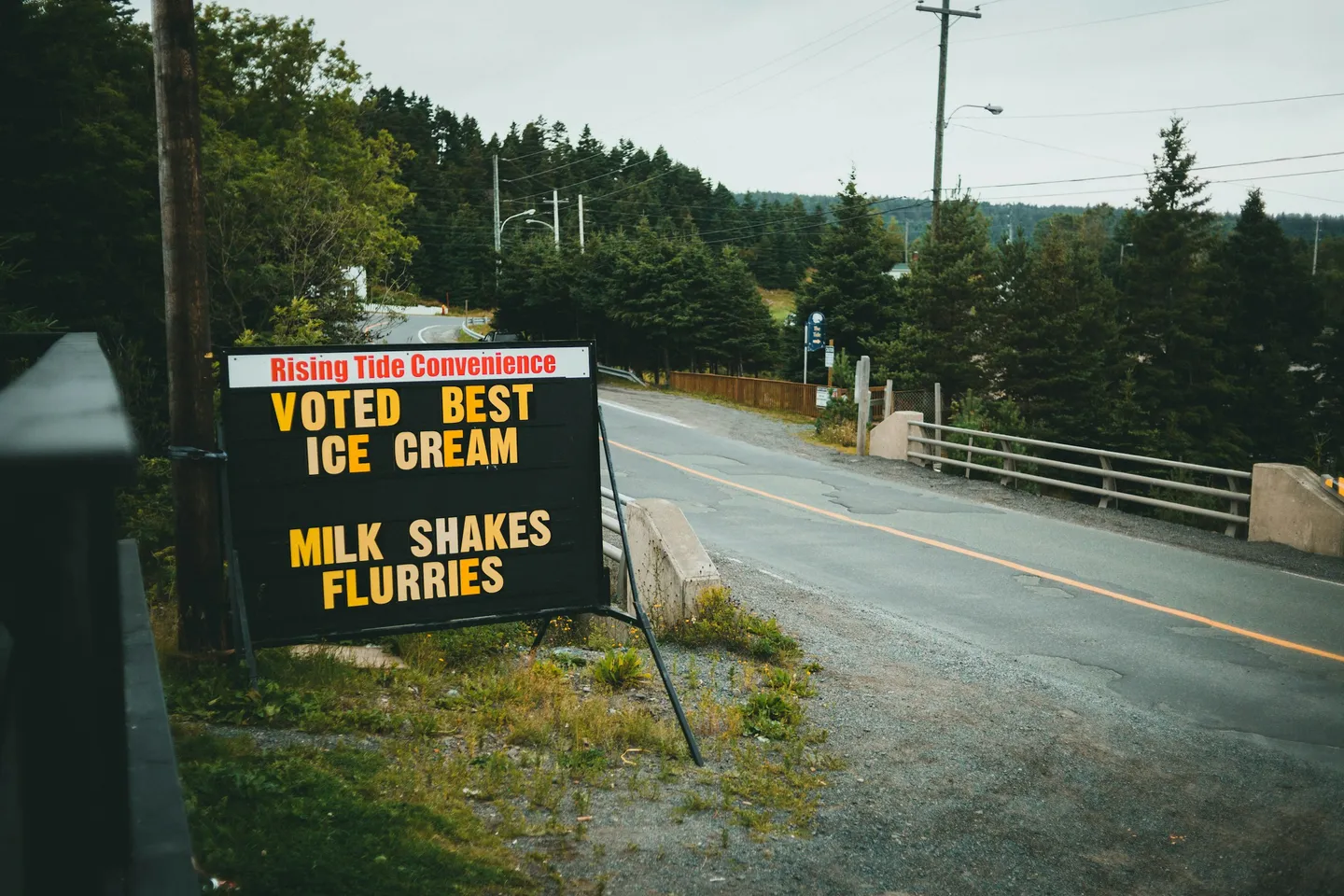
Photo by Jonathan Cooper on Unsplash
Rural businesses across the UK generate £14.56 billion annually and employ over 25,000 people just in farm retail alone, yet most struggle with marketing and networking. This guide provides practical strategies proven to work, with current costs, real ROI data, and implementation roadmaps specifically designed for small rural business owners across England, Scotland, Wales, and Northern Ireland. Rural location is an asset, not a limitation - businesses that embrace their place-based advantages while leveraging both traditional community engagement and modern digital tools consistently outperform those relying solely on word-of-mouth. The UK government has allocated over £2.6 billion through various rural business schemes, yet many eligible businesses never access these funds. This gap between available support and actual utilization represents the single greatest missed opportunity for rural enterprises. Success in rural business promotion requires patience, authenticity, and community integration over 6-12 months minimum, but delivers sustainable returns of 300-800% when executed consistently.
Getting money to grow: Current UK funding landscape
The Rural England Prosperity Fund extended through March 2026 provides £33 million in additional capital grants, with typical awards ranging from £2,500 to £50,000 per business for lasting assets like buildings and equipment. This represents the single most accessible funding stream for English rural businesses, administered through local authorities with varying deadlines throughout 2025. Every rural business owner should immediately check their council’s REPF allocation and application timeline. Scotland offers £500,000+ annually through Regional Food Funds providing £3,000-£5,000 collaborative marketing grants that have supported 104 projects since 2021. Wales invests £227 million over three years in rural resilience with schemes like the Small Grants Environment programme offering £1.5 million for landscape and pollinator projects. Northern Ireland’s Rural Business Development Grant Scheme opens annually with £500-£7,500 grants requiring 50% match funding and mandatory workshop attendance.
Business rates relief delivers immediate savings for qualifying rural businesses - shops, post offices, pubs, and petrol stations in settlements under 3,000 people receive 100% mandatory relief on properties with rateable values up to £8,500-£12,500 depending on type. This exemption saves £2,000-£8,000 annually for eligible businesses and applies automatically once councils confirm eligibility. The Shared Rural Network achieved 95% UK 4G coverage ahead of schedule with over £1 billion invested, while Project Gigabit has committed £2.2 billion with £714 million deployed in 2024 alone, delivering gigabit broadband to 89% of rural premises already benefiting from improved connectivity. Rural businesses should verify their Project Gigabit eligibility and application timeline as procurement contracts continue rolling out through 2026.
Farm businesses access separate streams through DEFRA’s Farming Investment Fund with capital grants reopened July 2025 though over 50% of £150 million was allocated within months. The Sustainable Farming Incentive closed to new applications in August 2025 but existing agreements continue, while Farming in Protected Landscapes extended to March 2026 offers grants for farmers in National Parks and Areas of Outstanding Natural Beauty. The Animal Health and Welfare Review provides £215-£923 per review, and the Laying Hen Housing grant offers £5,000-£500,000 for infrastructure improvements with deadlines extending to January 2026. Scotland’s extended Rural Development Programme runs through 2030 with £12.2 million allocated for Community Led Local Development in 2024-25 alone. Total UK rural business support exceeds £5 billion across all schemes but application windows close quickly and many programs operate on first-come competitive basis.
Connecting to rural networks that actually help
The Federation of Small Businesses provides the broadest small business support across all UK nations with membership costing £147-£195 annually plus £30 joining fee, though some councils subsidize this to £50 per year. FSB membership delivers 24/7 legal advice, tax investigation insurance worth thousands, debt recovery services, and employment law support that alone justifies the cost. The Country Land and Business Association serves landowners and rural enterprises with membership typically under £300 annually for most rural businesses, providing specialist rural property and diversification advice that commercial consultants would charge £1,000+ to deliver. Both organizations actively lobby government on rural connectivity, business rates, and development funding - collective advocacy that individual businesses cannot achieve alone.
Regional business support varies dramatically by nation and location. England’s 38 Local Enterprise Partnerships lost government funding in April 2024, transferring functions to combined authorities and upper-tier local councils with uneven results. Growth Hubs continue operating in many regions but rural-specific programs diminished significantly. Rural businesses should contact their local authority business support team to understand current provision and identify successor organizations. ACRE’s network of 38 county-based Rural Community Councils across England invested £34 million annually into 11,000 rural communities, providing village hall support, housing enablers, and enterprise development that complements national schemes.
Scotland maintains the strongest coordinated rural business infrastructure through three national agencies. Highlands and Islands Enterprise covers over half of Scotland’s landmass with 10 area offices providing free business advice, innovation grants up to £15,000, and technology placement programs subsidizing 50% of graduate salaries. Scottish Enterprise delivers the Rural Leadership Programme as 10-day workshops with coaching and learning journeys that have created an 800+ alumni network of rural business leaders. South of Scotland Enterprise invested £13.7 million in 2023-24 supporting 1,300 businesses with 89% of support going outside major urban areas. GrowBiz provides completely free one-to-one advice, mentoring, and networking across all rural Scotland with 537 new clients supported in 2023 alone. Scotland’s coordinated approach outperforms the fragmented English model in accessibility and impact.
Wales delivers rural support primarily through Business Wales offering free government-funded advice, and Farming Connect providing exceptional diversification support with fully funded 15-hour mentoring, 80% subsidized training, and Try-Out Funds for testing new enterprises. Cwmpas supports social enterprises and co-operatives with 80+ staff across four regional offices providing free business advice, governance support, and community enterprise development. The Welsh Government’s Remote Working Hub Programme provides free or subsidized coworking space across 12-month pilots in locations like Haverfordwest and Rhyl, addressing rural isolation for knowledge workers and remote teams.
Northern Ireland offers distinctive support through the Rural Community Network providing training, advice, and advocacy for £20-£200 annual membership depending on organization type, and Rural Support NI operating a free 24/7 helpline (0800 138 1678) providing farm business mentoring, succession planning, and mental health support that has assisted 800+ people since the pandemic. Invest NI’s Ambition to Grow programme extends support to micro and SME businesses outside traditional client bases, though historically 81% of funding concentrated in Belfast and East regions between 2011-2014 with ongoing efforts toward geographic balance.
Rural business hubs and coworking spaces remain underdeveloped compared to urban provision, though emerging networks show promise. Rural Connect operates 30+ enterprise hubs across Northumberland and County Durham with flexible hourly and daily hot-desking from £10-30 per day or £100-250 monthly. Rural Business Hub in Hampshire provides dedicated workspace at two locations with 24-hour access for members. Wales leads development with Indycube’s rural pilot converting underused community spaces into coworking facilities at £79-129 monthly membership. Scotland’s SRUC launched the £12.5 million Rural and Veterinary Innovation Centre in Inverness in 2024 but dedicated rural hub networks lag behind Ireland’s Connected Hubs model. Most rural businesses still rely on home working or ad-hoc village hall rentals rather than professional collaborative workspace.
Digital marketing works differently in rural areas
Rural businesses gain distinct digital marketing advantages from lower competition and higher community trust, but face connectivity constraints requiring adapted strategies. Google Business Profile optimization delivers the highest-impact zero-cost marketing activity for any rural business with physical presence or service area - businesses with complete profiles receive 70% more location visits and 50% more website clicks than incomplete profiles. Setup requires 2-3 hours initially then 30-60 minutes weekly to add photos, respond to reviews within 24-48 hours, and post updates. The 46% of Google searches with local intent means every rural business must claim and fully optimize their profile before investing elsewhere.
Social media strategy prioritizes consistency over perfection with Facebook remaining dominant in rural demographics at 56.2 million UK users including highest rural penetration. Rural businesses should post 1-2 times daily across Facebook and Instagram focusing on authentic behind-the-scenes content, community stories, and place-based storytelling rather than polished corporate messaging. Pinterest shows higher rural usage than urban areas particularly for food, craft, and design businesses. Total time investment of 30-60 minutes daily produces better results than sporadic posting of expensive content. Batch content creation during reliable connectivity windows addresses rural broadband challenges - scheduling tools like Buffer at £5 per channel monthly or free Meta Business Suite enable posting when connection quality drops below requirements for real-time uploads.
Email marketing generates £38.33 return per £1 spent with 3,800% ROI making it the single highest-performing digital channel for small businesses. Mailchimp offers free service for 500 contacts sending up to 1,000 emails monthly, scaling to £8.63 monthly for paid Essentials plan. MailerLite and Brevo provide comparable free tiers up to 1,000 subscribers. Rural businesses should prioritize email list building through in-store signups with 10% immediate discount incentives, QR codes on receipts and signage, lead magnets like recipe books or guides, and mandatory collection at events. Weekly or bi-weekly newsletters following 60/20/20 content mix (60% community/helpful, 20% business updates, 20% offers) maintain engagement while building owned audience independent of platform algorithm changes.
Website costs range from £9-119 monthly for Wix with £16 Core plan recommended for serious e-commerce, £20-50 monthly for self-hosted WordPress including plugins and hosting, or £25-344 monthly for Shopify with £25 Basic plan suitable for most rural retailers. Professional development costs £650-5,000 for basic 5-10 page sites or £2,000-5,000 for e-commerce functionality. Mobile-first design is non-negotiable as 53% of traffic originates from mobile devices - sites must load under 3 seconds, display properly on phones, and enable easy calling/directions. Essential features include Google Maps integration, customer testimonials, clear calls-to-action, and if applicable booking systems or e-commerce with local pickup options addressing rural delivery challenges.
Local SEO delivers compounding long-term returns taking 3-6 months for meaningful improvement but doubling organic traffic within 6-12 months when properly executed. Professional SEO services cost £300-750 monthly for basic local optimization or £500-1,500 for small business packages. DIY approach focuses on Google Business Profile optimization, location-specific keywords throughout website content, consistent NAP (Name, Address, Phone) across all directories, customer reviews generation, and local directory listings. The 10-20 hours monthly time investment for DIY SEO pays dividends but requires patience as results build gradually rather than immediately.
Online advertising provides fastest lead generation but requires adequate budget and expertise. Google Ads averages £2.04 cost-per-click for search with rural businesses benefiting from £1-3 CPC in less competitive markets. Minimum viable budget of £500-1,000 monthly enables testing, with £800-2,500 monthly providing serious volume for local service businesses. Management requires 3-5 hours weekly or agency fees of £250-500 monthly plus 10-20% of spend. Facebook and Instagram ads cost £0.26-0.78 CPC in rural areas (20-40% cheaper than urban), £5-10 CPM, with recommended budgets of £10-20 daily for testing scaling to £500-1,500 monthly for growth phase. DIY management using Meta Business Suite or hiring specialist agencies achieving 533% average ROI for hospitality businesses demonstrates professional management value for serious campaigns.
Content marketing and storytelling leverage rural authenticity advantages through blogs, videos, and photography showcasing production methods, local sourcing stories, and people behind products. Smartphone cameras suffice for starting with £200-1,000 investment in better equipment optional once proven. Professional photography sessions cost £200-500 for half-day shooting or £400-1,000 for full-day. Video content increases rural tourism booking likelihood by 60% and drives 49% faster revenue growth across all sectors. Rural businesses should document processes, film customer testimonials, create location tours, and share seasonal changes as authentic content that urban competitors cannot replicate. Time investment of 3-4 hours per blog post or 2-4 hours per short video produces assets used across multiple channels for months afterward.
Limited connectivity affects 32% of rural businesses reporting unreliable broadband requiring workarounds. Starlink satellite broadband costs £449 hardware plus £75 monthly providing 25-100 Mbps download speeds with 25-50ms latency solving connectivity completely though at premium cost. Alternative solutions include 4G home broadband from £14-50 monthly unlimited data through EE, Three, or Vodafone with external antennas boosting weak signal areas, or scheduled uploading during better connectivity periods. Project Gigabit rollout continues accelerating with 86% UK premises now gigabit-capable as of January 2025 though rural England lags at 54% compared to 88% urban coverage. Rural businesses in procurement areas should verify deployment timelines and pre-register interest to expedite connection once available.
Traditional marketing still matters in villages
Word-of-mouth marketing dominates rural business acquisition with 88% trusting personal recommendations and 70-80% of new customers arriving through referrals. Structured referral programs formalize informal recommendations through “Give £10, Get £10” offers, business cards with referral codes distributed to satisfied customers, loyalty benefits for top referrers, and tracking to measure effectiveness. Costs of £10-50 per referral or 10-20% discounts represent fraction of customer acquisition cost through advertising. Referred customers show 30-57% higher lifetime value, 3-5x higher conversion rates, and 16% better retention than customers from other channels. The tight-knit nature of rural communities accelerates positive word-of-mouth but equally spreads negative experiences requiring exceptional service consistency.
Local newspapers and parish magazines provide targeted reach into every household at accessible cost. Parish magazines reach 800-3,000 properties at £2.70-£60 monthly for advertisements with annual packages of £26-£65 for 11 editions. People retain parish magazines for reference unlike daily newspapers, generating calls months after publication. An oven cleaner reported forward bookings 3+ weeks out solely from £25-£40 monthly parish magazine advertising generating more response than £480 six-week newspaper campaigns. Local weekly newspapers charge £250+ for quarter-page advertisements with 1-7 day shelf life and declining readership, making parish magazines significantly superior value for rural businesses targeting local residents. Quarterly publication cycles require planning 4-6 weeks ahead but consistent monthly presence builds recognition and trust gradually.
Community notice boards at village halls, shops, post offices, and libraries provide free visibility with materials costing £5-20 for flyers or £10-30 for laminated posters. A5 flyers with tear-off strips containing phone numbers work effectively, requiring weekly checks to refresh and maintain presence. Farmers markets charge £15-40 per market day for stalls with start-up investment of £500-900 including public liability insurance £75-90 annually, gazebo £150-250, tables £50-100, and signage £100-200. Regular attendance builds loyal customer base far exceeding one-off visits as recognition and trust develop over months. Farmers markets provide direct consumer feedback, premium pricing acceptance, and community connection impossible through retail wholesale relationships.
Local radio advertising reaches rural audiences through BBC Local Radio and community stations serving specific geographic areas. Production costs £200-500 for simple local advertisements or £1,000-5,000 for professional production with London/digital costs at £2,000-3,000. Airtime prices around £2 per 1,000 listeners (CPM) translating to £250-1,000 weekly for local stations or £1,500-3,000 minimum for regional coverage. Off-peak spots cost £20-50 enabling affordable testing. Radio delivers £7.70 ROI per £1 spent industry-wide with repetition building trust more effectively than single placements. Four-week minimum campaigns with 10-15 spots across peak times reach audiences during commute and meal times. Community radio rates increased April 2025 with removal of £15,000 annual cap though remaining more affordable than commercial stations.
Event marketing through village fetes, agricultural shows, and craft fairs provides face-to-face engagement building relationships impossible digitally. Village fete tables cost £10-50, county agricultural shows £200-1,000 for trade stands, and Christmas markets £40-150 per event. Beyond direct sales of £100-500 per village fete, businesses collect 20-50 email addresses and create awareness among 200-300 attendees translating to 5-10 new regular customers long-term. Agricultural shows attract 1,000-20,000 attendance but higher costs of £1,000-5,000 for prominent positions suit trade suppliers more than consumer-facing businesses. Weather contingencies are essential with gazebos weighted properly, displays secured, and backup plans for severe conditions common in British summer.
Signage requires planning permission if exceeding 0.3 square meters externally, illuminated, or in conservation areas. Application fees cost £150-500 with professional fascia signage £300-1,000 or illuminated signs £500-2,000+ once approved. Brown tourism signs directing to attractions from A/B roads provide permanent visibility but require demonstrating visitor volume, meeting quality criteria, and paying £2,000-10,000+ total costs including application £200-300, design, manufacturing, and installation. Maximum 3-5 miles from attraction applies with priority given to highest visitor volumes. Vehicle graphics cost £300-800 with no permission needed while providing mobile advertising reaching 91% of drivers who notice commercial vehicle signage.
Direct mail and leaflet distribution costs £35-55 per 1,000 in dense urban areas but £70-140+ per 1,000 in rural areas due to scattered properties and farm tracks adding delivery time. Royal Mail provides most reliable rural coverage at £40-65 per 1,000 shared distribution. Production adds £100-250 for printing 5,000 A5 leaflets, making total rural campaign costs £400-800 for 5,000 properties. Expected 1-2% response rate means 50-100 responses from 5,000 distribution, requiring strong offer and clear call-to-action to justify investment. Targeting specific villages rather than dispersed rural properties improves cost-effectiveness dramatically. Direct mail achieves 63% serious consideration versus 18% for email according to UK research, but higher costs require careful targeting and tracking with unique phone numbers or promo codes.
Collaborative marketing between complementary rural businesses shares costs while expanding reach. Farm shops partnering with local producers create farm-to-fork trails with joint maps and promotion. Accommodation providers connecting with activity businesses, restaurants, and attractions build integrated visitor experiences. Village shops stocking local crafts and food provide mutual visibility. Tourism businesses particularly benefit from collaboration as visitors seek multiple experiences during rural trips. Joint advertising splits costs 50/50 while cross-promotion in physical premises, shared mailing lists (with permission), and co-hosted events multiply impact beyond individual capacity.
Building relationships in close-knit communities
Parish councils and village halls serve as community hubs controlling local assets and influencing decisions affecting rural businesses. Attending monthly parish council meetings open to public requires 2-3 hours monthly but provides insight into village issues, opportunities to present business benefits, and connections to decision-makers. Parish councils access UK Shared Prosperity Fund grants providing £500-5,000 for community projects with businesses partnering on proposals demonstrating local employment or service provision. Village hall sponsorship costs £50-200 annually for notice board priority or £100-500 for event sponsorship providing recognition at summer fetes, Christmas fairs, and weekly activities reaching hundreds of community members repeatedly.
School partnerships reach 200-600 families per school through children and parent networks providing high-trust introduction impossible through advertising. Low-cost sponsorship of £50-500 annually funds sports kit at £100-300, newsletter advertisements at £50-150 per term, or fete stalls at £50-100. Medium investment of £500-2,000 sponsors annual events or full sports team seasons. Work experience placements, career talks requiring 15-45 minutes, and hosted educational visits build goodwill generating word-of-mouth recommendations from teachers and parents. Women’s Institute chapters, sports clubs, scouts and guides, and allotment associations provide additional community connections through modest sponsorship of £100-500 annually or participation in activities.
Local employment transforms employees and their extended families into business advocates while demonstrating community commitment. Promoting local employment in marketing through “We employ 12 local people” statements, staff profiles on websites, and social media features generates pride and connection. Apprenticeships receive 95-100% government funding plus £1,000 incentive per apprentice providing skilled staff development at minimal cost. Buying from local suppliers for accountants, solicitors, marketing, and materials keeps money circulating locally while building reciprocal business relationships often worth 10-15% premium versus distant suppliers. Networking between businesses through shared customers, cross-referrals, and collaborative events multiplies marketing impact beyond individual efforts.
Customer loyalty programmes range from £70-200 one-time for stamp cards to £25-150 monthly for digital apps like Square Loyalty or Stamp Me. Physical stamp cards offering “Buy 10, Get 1 Free” provide 10% effective discount without technology requirements though cards get lost and provide no customer data. Digital systems enable automatic tracking, email integration, and purchase history analysis worth incremental monthly cost. Member discount schemes charging £10-50 annually for 10-20% permanent discounts plus exclusive benefits and free delivery over thresholds build predictable revenue. Subscription models for weekly veg boxes at £12-20, monthly meat boxes at £40-80, or milk delivery at £8-15 weekly provide ultimate retention generating recurring revenue and reducing customer acquisition cost amortization.
Email newsletters at £0-20 monthly through free Mailchimp tiers or paid platforms provide direct owned communication independent of social media algorithm changes. Monthly frequency with 60/20/20 content mix (60% community/helpful content, 20% business updates, 20% offers) maintains engagement without over-promotion. Building lists through in-store signups with 10% immediate discount incentives, website pop-ups, and QR codes on receipts requires consistent effort but list of 500+ subscribers receiving £38.33 return per £1 spent represents most valuable business asset possible. Target metrics of 20-30% open rates and 2-5% click rates track engagement with rural audiences often exceeding benchmarks due to community connection.
Managing reputation in villages where “everyone knows everyone” requires exceptional service consistency and proactive issue resolution. Negative experiences spread faster than positive in tight social networks making service recovery critical. Responding to complaints within 24 hours privately, apologizing genuinely, over-compensating to resolve issue, and following up to confirm satisfaction converts detractors into advocates. Online review management demands responses to ALL reviews within 24-48 hours thanking positive reviewers specifically and addressing negative feedback constructively with offline resolution offer. Personal behavior reflects on business in small communities where owners encounter customers at village events, schools, pubs, and shops requiring professionalism everywhere.
Rural consumer behavior differs from urban patterns through higher loyalty over price sensitivity, paying 10-15% premium for trusted local suppliers willingly. Word-of-mouth dominates with 70-80% of new customers arriving through recommendations. Slower decision-making involves research, neighbor consultation, and deliberation before purchasing but once relationships establish, retention dramatically exceeds urban equivalents. Bulk buying, planned shopping combining multiple errands, and seasonal variations around agricultural calendar or tourism flows require businesses to understand community rhythms. Digital adoption among rural adults reached 89% by 2024 with Facebook most popular though connectivity constraints affect online shopping patterns favoring click-and-collect over home delivery.
Sector strategies that actually generate revenue
Food and drink producers benefit from farm shops generating £1.4 billion UK sales annually with 89% reporting growth since 2019. Roadside signage drives 30-50% of farm gate discovery traffic requiring investment in prominent directional signs within planning permission limits. Social media through Facebook and Instagram provides stock updates, seasonal produce announcements, and event promotion at zero cost beyond time investment. Local food directories including Farm Shop Guide, Artisan Food Trail, and regional networks like Taste of the West provide free or low-cost listings reaching target audiences actively seeking local food. Farmers markets at £20-40 per day build regular customer bases through consistent attendance over one-off appearances. Awards strategy entering Great Taste Awards, regional food competitions, and quality schemes generates publicity and credibility certificates displayed prominently in marketing.
Artisan food marketing emphasizes authentic stories about production methods, local sourcing, and family recipes - 68% of consumers say brand stories influence purchasing decisions resulting in 20% increased loyalty. Packaging requires professional design at £200-1,000 investment plus compliance with UK Food Information Regulations 2014 mandating complete ingredients lists, allergen emphasis in bold capitals or contrasting color, name and address of food business operator, best before dates, net quantity, and storage instructions. Natasha’s Law effective October 2021 requires prepacked for direct sale foods made and sold on same premises to have full labeling including allergen information. Non-compliance risks prosecution by Trading Standards with allergen violations representing one-third of all food labeling enforcement actions. Online sales through own websites using Shopify at £25-79 monthly, WooCommerce with hosting £5-20 monthly, or platforms like Just Eat at 14% commission with £699 setup provide routes to market requiring consideration of delivery logistics using Royal Mail £3-8 per parcel for packaged goods.
Hospitality businesses including B&Bs, holiday cottages, rural cafes, and country pubs face online travel agency commission costs of 15-20% for Booking.com and Airbnb with 3% host plus 14% guest fees totaling approximately 17% of booking value. Direct booking strategies through own websites with booking engines eliminate commission while requiring marketing investment to drive traffic. Visit England, Visit Scotland, and Visit Wales quality assessment schemes provide credibility and tourism board website listings exposing properties to holiday-planning consumers though Visit England lost dedicated domestic marketing capacity with 2024 re-absorption into Visit Britain focusing on overseas markets. TripAdvisor management requires responding to ALL reviews as 77% of travelers more likely to book properties with personalized responses and 80% reading 6-12 reviews before booking. Professional photography at £500-1,500 provides essential visual content driving 138% more engagement than properties without quality images.
Rural cafes and tearooms build local custom through community engagement, regular customer recognition, supporting village events, and word-of-mouth cultivation. Instagram visual content, Facebook community presence, and consistent posting 3-5 times weekly maintain awareness between visits. Review management responding within 48 hours to all Google, TripAdvisor, and Facebook reviews influences 94% of travelers citing reviews as important decision factors. Partnership with local B&Bs, hotels, and tourist accommodations for guest recommendations generates consistent weekday traffic outside weekend tourist peaks. Free WiFi became essential customer expectation though rural connectivity challenges may require business broadband solutions costing £40-80 monthly.
Country pubs and restaurants attract tourists through TripAdvisor optimization critical for visitor decisions, strong social media showcasing location and food quality, seasonal menu promotions emphasizing local sourcing, and partnerships with accommodation providers. Building local custom requires community engagement through sponsoring sports teams, hosting quiz nights and live music, and stocking local breweries and suppliers. Marketing budgets of 5-8% of revenue provide adequate support with email marketing generating £38.33 per £1 spent for customer database development. Loyalty programs deliver £11 return per £1 invested according to UK hospitality specialists, with loyalty customers spending 5x more than non-users justifying investment in digital systems at £50-150 monthly.
Retail businesses in villages face unique challenges from limited footfall and competition from market towns but succeed through deep community integration. Village shops and convenience stores survive by stocking local products, providing personalized service knowing customers by name, operating extended hours meeting rural needs, and offering local delivery for elderly or vulnerable residents. Click-and-collect services enable online ordering for collection avoiding delivery costs while generating foot traffic with 40% making additional purchases when collecting orders. Loyalty cards whether physical stamp cards at £70-200 setup or digital apps at £25-150 monthly reward regular customers critical to rural retail survival.
Craft businesses and artisan retail access markets through online platforms including Etsy charging 15p listing plus 6.5% transaction plus 4% payment processing (approximately 10.5% total fees), Not on the High Street at £199 joining fee plus 25% commission (approximately 30% total cost), or own websites through Shopify at £25-79 monthly eliminating commissions but requiring marketing investment. Craft fairs provide face-to-face sales at £20-500 per event depending on scale with major events like CHSI Trade Show attracting 6,000+ craft buyers while local monthly makers markets cost £20-80 per pitch. Gallery representation charges 33-100% commission depending on establishment exclusivity but provides credibility, professional presentation, and established collector audiences. Consistent pricing across all channels prevents channel conflict and maintains gallery relationships essential for serious artists.
Tourism and outdoor activity businesses integrate with Visit England, Visit Scotland, and Visit Wales through TXGB platform connecting suppliers to 100+ destinations and distribution channels free for suppliers. Online booking systems from providers like Bókun with 14-day free trials, Ventrata for high-volume sales, or Checkfront at £125 monthly or 3% commission enable advanced reservations though only 14% of English outdoor activity bookings occur in advance with most happening after arrival. Brown tourism signs directing from A and B roads cost £2,000-10,000+ total including design, manufacturing, and installation but provide permanent 24/7 visibility to passing traffic when approved. Rural Tourism 5.0 projects promoting public transport connections, seasonal autumn/winter marketing addressing traditional summer concentration, and alternative accommodation including treehouses and glamping expand visitor economy beyond traditional peak season.
Trades and services including builders, plumbers, electricians, and agricultural contractors market primarily through Google Business Profile optimization, local directory listings on Yell and trade-specific platforms like Checkatrade and TrustMark, and Google Ads bidding on location-specific keywords at £1-3 CPC in rural areas. Vehicle signage provides mobile advertising at £300-800 one-time cost reaching potential customers throughout service area. Word-of-mouth referrals dominate with 84% of rural trade customers citing personal recommendations as primary decision factor requiring exceptional service consistency. Local authority tender opportunities through Contracts Finder for projects over £12,000 and Find a Tender for £139,688+ from February 2025 represent significant revenue sources requiring free registration but competitive bidding. Partnership with builders’ merchants, estate agents, and letting agents generates referral streams from trusted sources.
Creative businesses including artists, makers, and studios sell through galleries charging 33-100% commission, craft fairs at £20-500 per event, open studio events during organized festivals like Spring Fling in Scotland or Brockley Open Studios in London, and online marketplaces including Folksy at £5 monthly or 15p listing plus 6% commission specifically for UK makers. Commission work promotion through platforms like MyArtBrief connecting artists with customers free for artist registration, or Fine Art Commissions gallery representation handling contracts and client matching provide project-based income streams. Professional photography critical for marketing costs £300-2,000 for product shoots or brand sessions with social media favoring Instagram for visual content, Pinterest for discovery driving website traffic, and TikTok for maker process videos engaging younger demographics.
What rural businesses actually spend and earn
Typical marketing budgets range from 7.7-9.1% of revenue for established UK small businesses in 2024 according to Gartner research, with new or growth-focused businesses investing 10-20% initially. Specific revenue examples: £50,000 turnover should allocate £3,850-4,550 annually (£320-380 monthly), £100,000 turnover £7,700-9,100 (£640-760 monthly), £250,000 turnover £19,250-22,750 (£1,600-1,900 monthly), and £500,000 turnover £38,500-45,500 (£3,200-3,800 monthly). Rural restaurants typically spend 3-5% in lower competition areas while hospitality generally averages 5-6% of revenue. Sector variation ranges from professional services at 2-3% to consumer retail at 3-5% reflecting competitive intensity and customer acquisition costs.
Email marketing delivers 3,800% ROI according to 2021 UK Statista survey measuring £38.33 return per £1 spent, making it the single highest-performing channel for small businesses. Google Ads generates 800% ROI according to Google industry data when properly optimized though realistic expectation ranges 300-800% depending on sector and execution quality. Social media advertising achieves 533% average ROI for hospitality businesses according to specialist agency Flipdish, with loyalty programs returning £11 per £1 invested. Facebook Ads cost £0.26-0.78 CPC in rural areas (20-40% cheaper than urban), £5-10 CPM, with recommended minimum £100-200 monthly testing budgets scaling to £500-1,500 monthly for growth phase.
Free marketing tactics require time investment rather than cash with Google Business Profile setup taking 2-3 hours initially plus 30-60 minutes weekly for updates, posts, and review responses providing highest-impact zero-cost activity. Organic social media requires 30-60 minutes daily plus 2-3 hours weekly content creation delivering results over 3-6 months minimum. Email marketing using free Mailchimp tier for 500 contacts needs 2-4 hours weekly for newsletter creation and list building. Networking and word-of-mouth requires 2-5 hours weekly attending events, following up contacts, and building relationships. DIY approach saves cash but costs opportunity cost of business owner time valued at £20-40+ hourly depending on role.
Low-cost marketing under £500 annually combines free directories, DIY social media, Canva Pro design tools at £120 yearly, basic Wix website at £120-240 annually, and limited print materials at £70-150 including business cards and flyers. This minimal approach suits startups testing markets but limits reach and growth velocity. Medium budget of £1,000-5,000 annually adds paid advertising at £100-250 monthly testing Google or social campaigns, professional photography at £200-500, email marketing tools at £100-300 annually, and expanded print materials and local sponsorships. Higher budgets of £5,000-15,000 enable professional agency support at £500-2,000 monthly, multi-channel campaigns including £1,000-5,000 PPC spending, video content creation, enhanced website development, and major community sponsorships.
Business network memberships cost £147-195 annually for FSB plus £30 joining fee with some councils subsidizing to £50, typically under £300 for CLA membership, and £150-750 for smaller Chambers of Commerce scaling to £500-5,000 for major city chambers. Rural business hubs charge £10-30 daily hot-desking, £100-250 monthly flexible desk rental, £150-400 for dedicated desks, or £300-800 monthly for private offices. These costs provide professional workspace, networking opportunities, and reduced isolation for home-based rural business owners. Trade association memberships range from £100-500 for basic organizations to £500-2,000 for industry-specific bodies providing sector expertise, advocacy, and member discounts often recovering costs through supplier savings.
Website costs span DIY platforms at £9-119 monthly for Wix, £20-50 for self-hosted WordPress, or £25-344 for Shopify, versus professional development at £650-5,000 for basic sites or £2,000-5,000+ for e-commerce functionality. Ongoing maintenance adds £50-500 monthly depending on complexity and internal capability. E-commerce specifically requires platform subscriptions, payment processing fees of 1.4-3.4% per transaction, and potentially inventory management systems. Hidden costs including domain registration at £10-20 annually and hosting at £48-360 yearly depending on traffic and requirements.
SEO services charge £300-750 monthly for basic local optimization, £500-1,500 for small business packages, or £1,500-5,000 for mid-range competitive campaigns with ROI timelines of 3-6 months for initial results and 6-12 months for significant impact. Professional photography costs £200-500 for half-day sessions or £400-1,000 for full-day shoots with product photography at £20-100 per item. Video production ranges from £500-2,000 for basic promotional videos to £2,000-5,000 for professional brand films. Branding including logo design costs £100-2,000 with complete brand packages at £3,000-10,000 providing full identity systems.
Traditional marketing costs include local newspaper quarter-page advertisements at £250-650, radio advertising production at £200-2,000 plus airtime £250-1,000 weekly locally, direct mail at £70-140+ per 1,000 rural properties, and event participation ranging from village fete tables at £10-50 to agricultural show trade stands at £200-1,000. Parish magazine advertising offers exceptional value at £2.70-60 monthly reaching every household in villages. Signage requires £100-2,000 for shop signs, £250-1,500 for vehicle wrapping, or £2,000-10,000+ for brown tourism signs including approval and installation.
Insurance represents mandatory cost for most businesses with public liability at £60-118 annually on average for £5 million coverage, product liability typically included in public liability policies, professional indemnity at £115-1,150 annually, and event insurance at £27-33 daily or £65-110 annually for regular market traders. Employers’ liability insurance mandatory by law if any employees even part-time, costing additional £30-50 typically with £5 million minimum coverage and £2,500 daily fines per employee without insurance. Food businesses require same public and product liability as general businesses without premium for food-specific coverage when part of standard policy.
Break-even analysis demonstrates required lead volumes: rural service business with £500 monthly marketing, £250 average job value, 40% margin, and 10% conversion rate needs 50 leads monthly to break even. E-commerce business with £1,000 monthly marketing, £50 average order, 30% margin, and 2% conversion needs 3,333 website visitors monthly. Professional services with £2,000 monthly marketing, £5,000 average client value, 60% margin, and 5% conversion requires 13.3 leads monthly. Understanding these calculations helps businesses set realistic expectations and measure performance accurately.
Rules, regulations, and staying compliant
Planning permission for business signage becomes mandatory for advertisements exceeding 0.3 square meters externally, any illuminated signs, fascia signs with top edge over 4.6 meters above ground, and most posters regardless of size. Application fees range £150-500 with decisions within 8 weeks requiring scaled plans and site locations. Conservation areas and National Parks impose stricter controls with all planning permission decisions controlled by park or conservation authorities requiring demonstration that signage won’t harm visual amenity. Areas of Special Control may prohibit certain advertisement types entirely. Penalties for unauthorized advertisements include £2,500 maximum fines under Town and Country Planning Act 1990 section 224 plus continuing offense fines of £250 daily with local authority removal powers.
Brown tourism signs directing to attractions from highways require advance applications, eligibility demonstration including planning permission and quality certificates, deposit payments typically £500-1,000, and acceptance that total costs including design, manufacture, installation, and ongoing maintenance reaching £2,000-15,000 fall to applicants. Highways England handles motorway and trunk road applications at significantly higher cost due to safety requirements and section 278 legal agreements, while local authority roads charge £200-300 application fees with variable total costs. Maximum 3-5 mile distance restrictions apply with priority given to destinations with highest visitor numbers and only 4-6 signs permitted per junction.
Trading standards requirements mandate compliance with Consumer Rights Act 2015 ensuring goods are satisfactory quality, fit for purpose, and as described, plus Digital Markets, Competition and Consumers Act 2024 protections. Consumer Contracts Regulations 2013 govern distance selling requiring pre-contract information including full product descriptions, total pricing, delivery costs, cancellation rights, trader identity, and contract duration. 14-day cancellation rights apply to distance sales with customers entitled to return goods within additional 14 days and receive refunds within 14 days of retailer receiving returned items. Exceptions include perishable goods, sealed hygiene products once opened, personalized items, digital content once download started with consent, and time-specific bookings like hotels and event tickets. Penalties for non-compliance include requirement to provide goods as agreed, compensation payments, unlimited fines, and potential prison sentences.
Advertising Standards Authority guidelines require all advertising be legal, decent, honest, and truthful with claims substantiated before publication. Environmental claims must be specific and substantiated without vague greenwashing, health claims require evidence, price comparisons must be accurate, and social responsibility mandatory across all advertising. ASA investigates complaints with power to require advertisement withdrawal, publish adverse adjudications, and refer non-compliance to Trading Standards or Ofcom. No cost attaches to compliance as self-regulatory system operates through advertising levy with free advice from Committee of Advertising Practice Copy Advice service.
Food business registration with local authority mandatory at least 28 days before trading, costs nothing, cannot be refused, and covers anyone selling, cooking, storing, handling, preparing, or distributing food regularly to public whether free or paid. Home-based food businesses, market stalls, mobile food businesses, and online food sellers all require registration. Food Hygiene Rating Scheme provides 0-5 ratings based on hygiene standards, structural condition, and confidence in management with 75.7% achieving rating of 5 as of December 2022. Display is voluntary in England but mandatory in Wales and Northern Ireland though displaying ratings even when not required builds consumer trust. Re-rating requests cost £315 with no limit on frequency though ratings can decline as well as improve.
Food labeling requirements under UK Food Information Regulations 2014 mandate complete ingredients lists with allergens emphasized through bold, capitals, or contrasting color, name and address of food business operator, best before or use by dates, net quantity, storage and preparation instructions where needed, and nutritional information for most prepacked foods. Natasha’s Law effective October 2021 requires prepacked for direct sale foods made and sold on same premises to display product name, full ingredients, and emphasized allergens. 14 major allergens require mandatory declaration: cereals containing gluten, crustaceans, eggs, fish, peanuts, soybeans, milk, tree nuts, celery, mustard, sesame, sulphur dioxide/sulphites over 10mg/kg, lupin, and molluscs. Distance selling requires allergen information before purchase completion and at delivery with penalties for non-compliance including Trading Standards prosecution as approximately one-third of food labeling violations involve allergen failures.
Data protection compliance requires UK GDPR adherence with ICO registration costing £40 annually for micro businesses under 10 staff with turnover under £632,000, £60 for small/medium under 250 staff with turnover under £36 million, or £2,900 for larger organizations exceeding thresholds. Penalties for non-registration reach £4,350 per offense with public register of non-compliance. Email marketing requires opt-in consent for B2C communications with soft opt-in exception for existing customers receiving similar product/service marketing if given opt-out opportunity at collection and in every communication. Unsubscribe mechanisms must be free and easy with processing within 28 days mandatory. ICO fines reach £500,000 for serious PECR violations with reputational damage from published reprimands.
Website privacy policies must state what data is collected, why, legal basis, retention periods, third-party sharing, data subject rights, and complaints process including ICO details. Cookie consent requires approval before non-essential cookies with clear purpose information, easy acceptance/rejection, granular controls, and ability to refuse while accessing site. Strictly necessary cookies for shopping baskets and authentication remain exempt. Data breach notification to ICO within 72 hours becomes mandatory if risk to individuals exists with documentation of all breaches and individual notification if high risk. Maximum penalties reach £17.5 million or 4% global turnover whichever higher for serious breaches though most result in reprimands or enforcement notices for first offenses.
Employment requirements include National Living Wage of £12.21 hourly from April 1, 2025 for workers aged 21+ increasing 6.7% from £11.44 in 2024, with National Minimum Wage of £10.00 for ages 18-20 (up 16.3%), £7.55 for ages 16-17 and apprentices under 19 or first year (up 18%). Non-compliance results in fines up to 200% of arrears capped at £20,000 per worker, public naming and shaming, back payment of all underpayments, potential company director ban up to 15 years, and criminal prosecution possibility. Employers’ liability insurance becomes mandatory by law with any employees even part-time requiring £5 million minimum coverage, display of certificate, and £2,500 daily fines per employee without insurance. PAYE registration with HMRC required before first payday with Real Time Information submissions and payment by 22nd of following month. Workplace pension auto-enrolment applies to eligible employees aged 22 to State Pension age earning £10,000+ annually working in UK with 8% minimum total contributions split 3% employer and 5% employee.
Risk assessments required under Management of Health and Safety at Work Regulations 1999 for all employers with written records mandatory if 5+ employees though good practice regardless. Five steps include identifying hazards causing harm, identifying who might be harmed, evaluating likelihood and severity, recording findings and controls, and reviewing annually or after significant changes. Rural-specific hazards include machinery and equipment, animals, chemicals/pesticides, lone working, remote locations, slips/trips/falls, manual handling, and working at height. Regulatory Reform (Fire Safety) Order 2005 requires fire risk assessments, detection and warning systems, firefighting equipment, clearly marked emergency exits, emergency lighting, fire action notices, staff training, and regular drills with annual review. First aid provisions require approved contents box, appointed person for under 25 employees, or trained first aider if higher risk or 25+ employees with risk-dependent enhanced provision for remote locations.
Making it happen: Your implementation roadmap
Month one establishes foundations through claiming Google Business Profile and completing all fields with 10+ photos taking 2-3 hours initially, listing business on 5-10 free directories ensuring consistent NAP information, setting up Facebook and Instagram business accounts with initial content, identifying 5-10 relevant local events to attend throughout year, and researching parish council meeting schedule. Week one focuses on online presence setup, week two adds directories and social media, week three researches community connections, and week four launches basic email collection and requests first Google reviews from satisfied customers.
Months two through three build community relationships by attending first parish council meeting, contacting village hall for advertising and event opportunities, identifying 2-3 complementary businesses for potential collaboration, launching simple loyalty program whether punch cards or digital system, sending first email newsletter to growing list aiming for 50-100 subscribers, posting social media content 3-5 times weekly consistently, participating in first community event, and adding 10 more directory listings focusing on sector-specific platforms.
Months four through six establish presence through hosting first customer appreciation event or workshop, sponsoring small local cause for £50-200 demonstrating community support, starting regular market stall attendance if appropriate for business, reaching 200-500 email subscribers through consistent collection, achieving 10+ Google reviews from satisfied customers, optimizing Google Business Profile based on initial performance data, and potentially launching small paid advertising campaign with £200-500 monthly testing budget if organic traction proves target market exists.
Months seven through twelve deepen integration by hosting open day or major workshop generating awareness and sales, partnering with 1-2 schools for sponsorship or educational visits, collaborating with other businesses on joint event or trail, conducting customer feedback survey to understand satisfaction and improvement opportunities, planning seasonal campaigns around Christmas or peak season, potentially adding professional photography investment of £500-1,500 upgrading marketing materials, and optimizing all marketing based on 6-month performance data to scale what works and eliminate underperforming tactics.
Budget allocation for first year depends on business size and growth ambitions. Minimal budget of £500-1,000 annually (£40-85 monthly) covers Google Business Profile free setup, free directories, DIY social media time investment, email marketing free tier, punch card loyalty program £100, small sponsorships £200-400, business cards and flyers £100-200, and primarily sweat equity. Moderate budget of £2,000-4,000 (£165-335 monthly) adds premium directory £300, review management platform £150, loyalty app £300-600, professional photography £500, event equipment £500, multiple sponsorships £500-1,000, and basic website improvement.
Robust budget of £5,000-10,000 annually (£400-835 monthly) enables school partnership £1,000-2,000, major sponsorships £1,000-3,000, regular market stalls £1,000-2,000, paid advertising testing £1,500-3,000, professional marketing materials £500-1,000, customer events £1,000-2,000, and potentially part-time marketing assistance. Expected returns of 2-3x investment in year one scale to 4-6x in year two and 6-10x in year three as brand recognition compounds and word-of-mouth accelerates from established customer base and community presence.
Success measurement tracks Google Business Profile views and actions monthly aiming for 50% increase by month six, Google reviews accumulating at one weekly pace, email list growth of 10-20 subscribers monthly building owned audience, repeat customer rate reaching 40% by month twelve demonstrating loyalty program and service quality success, referrals constituting 20% of new customers validating word-of-mouth strategy, and event attendance of 100+ per quarter showing community integration effectiveness. Revenue attribution through unique phone numbers, promo codes, and customer source tracking at inquiry enables optimization allocating budget toward highest-performing channels.
Critical success factors emphasize consistency over intensity through regular presence in community and online channels rather than sporadic big pushes then disappearing, community first and sales second building relationships that generate referrals over transactional interactions, patience recognizing trust building takes 6-12 months minimum in close-knit rural areas, authenticity as rural communities detect insincere marketing instantly, and follow-through doing what you promise every time as reputation represents business’s most valuable asset impossible to recover once damaged.
Connecting rural success to national opportunity
Rural businesses generate disproportionate economic impact relative to their modest scale, with farm retail alone contributing £1.4 billion annually while rural tourism delivers £14.56 billion to England and Wales representing 70-80% of all UK domestic tourism. This economic significance combined with government commitment of over £5 billion in rural business support schemes demonstrates policy recognition of rural enterprise importance. Yet most eligible businesses never access available funding due to information gaps, application complexity, or simple awareness failures. Parish councils, business networks, and rural community councils exist specifically to bridge this information divide but require businesses to actively engage rather than expect outreach.
Digital connectivity improvements through Project Gigabit and Shared Rural Network investment of combined £6+ billion will fundamentally transform rural business capability over next 3-5 years as 86% UK premises achieve gigabit broadband by January 2025 with targets of 99% by 2030 and 95% 4G coverage already achieved ahead of December 2025 target. Rural businesses currently struggling with 25-100 Mbps Starlink satellite connections at £75 monthly premium will access gigabit fiber at £20-40 monthly as procurement contracts complete, equalizing digital capability with urban counterparts. This connectivity transformation enables sophisticated e-commerce, video marketing, cloud-based operations, and remote collaboration impossible with current 10-30 Mbps connections common in many rural areas.
Regional variations in support quality remain stark with Scotland’s coordinated approach through HIE, Scottish Enterprise, and GrowBiz outperforming England’s fragmented landscape after LEP defunding. Wales excels at agricultural diversification support through Farming Connect while Northern Ireland provides exceptional mental health and farm family assistance through Rural Support’s free 24/7 helpline. English rural businesses face greater complexity navigating local authority takeover of LEP functions with uneven support quality depending on council capacity and priority. Understanding these regional differences helps businesses access appropriate support for their location.
The fundamental truth about rural business marketing remains that place-based advantages - authenticity, traceability, community connection, distinctive landscapes, traditional methods, personal relationships - cannot be replicated by urban or online competitors. Rural businesses that embrace these inherent strengths while addressing connectivity and marketing skill gaps through modest investment and government support programs consistently outperform those relying solely on traditional word-of-mouth approaches. The UK policy environment with billions in schemes, improving digital infrastructure, and recognition of rural economic contribution creates unprecedented opportunity for rural enterprises willing to adapt and invest in their growth.
Implementation requires starting today rather than waiting for perfect conditions or complete knowledge. Claim Google Business Profile this afternoon taking 30 minutes. List on five free directories tomorrow morning. Attend next month’s parish council meeting. Contact the village hall about advertising. Request reviews from this week’s satisfied customers. Start collecting email addresses with today’s sales. Post to Facebook tonight about tomorrow’s availability or new product. These immediate actionable steps cost nothing but time while beginning the 6-12 month relationship building journey that transforms occasional customers into loyal advocates and community connection into sustainable revenue.
Success in rural business promotion over next decade will separate businesses embracing community-first authentic marketing grounded in place while leveraging improved digital capability from those persisting with minimal visibility and word-of-mouth alone. Government investment, improving infrastructure, and proven strategies detailed throughout this guide provide tools and resources unprecedented in rural business history. The question is not whether resources exist but whether individual business owners will take advantage before competitors do. The rural business owner reading this possesses the knowledge to start building sustainable growth today through free and low-cost tactics scaling over time as results justify increased investment. That knowledge combined with action separates thriving rural businesses from those that disappear when current owners retire without succession plans because they never built visible brands or documented customer bases.