
The Comprehensive Guide to Starting Your Off-Grid Journey
Part of: Off-Grid Power for Rural UK Homes: Systems, Costs & Setup
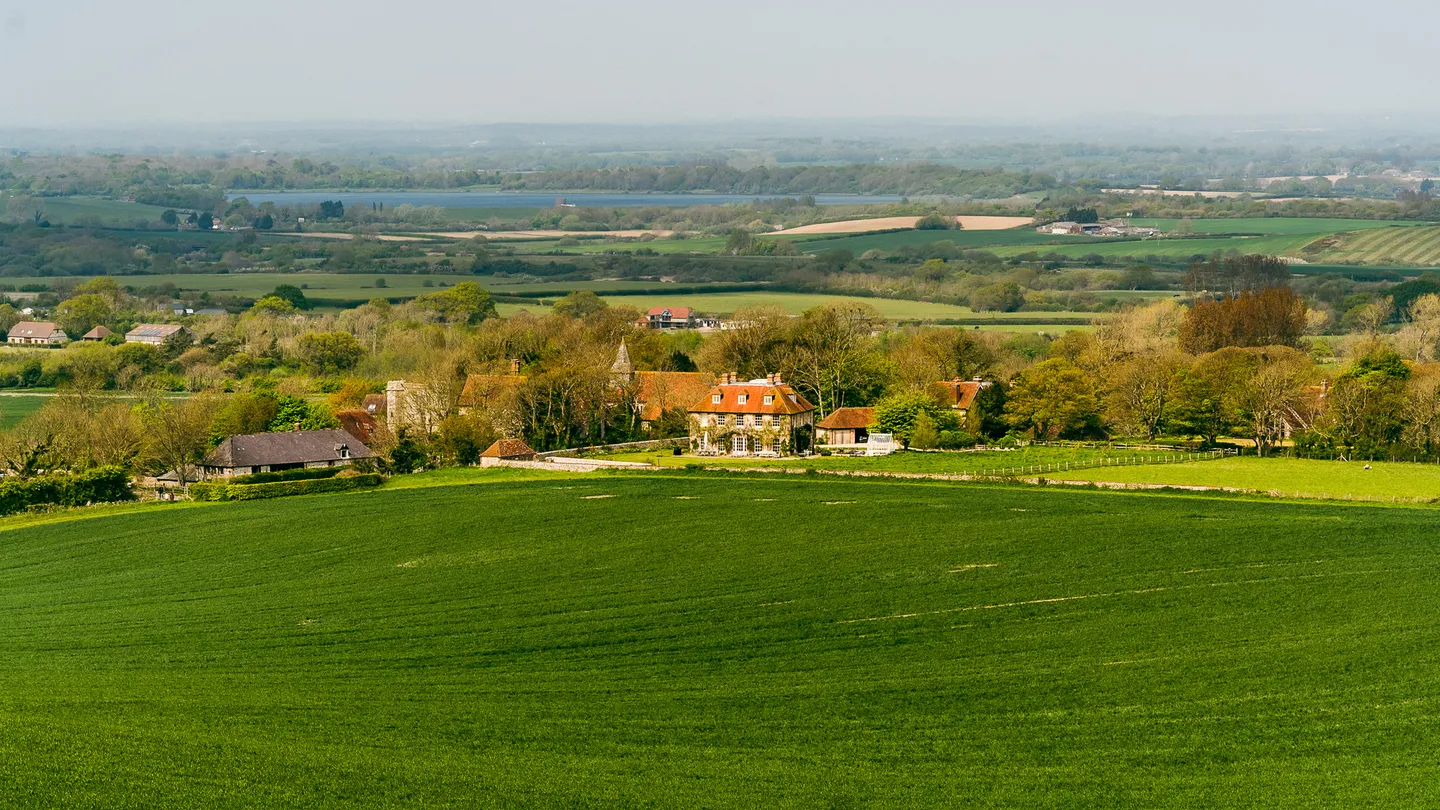
Off-grid living, a lifestyle choice that involves disconnecting from the mainstream electricity grid and often other utility services, is gaining traction globally. This way of life is not just about surviving without traditional utilities; it's about thriving in a self-sustaining environment, reducing one's carbon footprint, and embracing a closer connection with nature.
Off-grid living means disconnecting from the mainstream electricity grid and often other utility services. It’s a self-sufficient approach where individuals or families generate their own power, source water, manage waste, and grow food independently. The appeal goes beyond simply surviving without utilities. People are drawn to reducing their environmental footprint, gaining independence, and living closer to the rhythms of the natural world.
The appeal lies in freedom and self-reliance. With environmental concerns and a desire for simpler lifestyles growing, off-grid living offers an alternative to the resource-heavy demands of modern urban life. It provides a chance to rely on renewable energy sources like solar and wind power while building something genuinely your own.
That said, transitioning to off-grid living is not straightforward. It requires a sizeable initial investment, especially for renewable energy systems and sustainable infrastructure. You need skills in energy management, agriculture, basic construction, and problem-solving. Off-grid living often means adapting to more isolation, which can be a big shift for those accustomed to urban convenience and social life.
Despite these challenges, the benefits of reduced environmental impact, increased self-sufficiency, and a deeper connection with nature continue to attract people. If you are exploring this path, keep in mind that it is a commitment to a more deliberate and conscious way of living, not just a change of address.
Selecting a Suitable Location
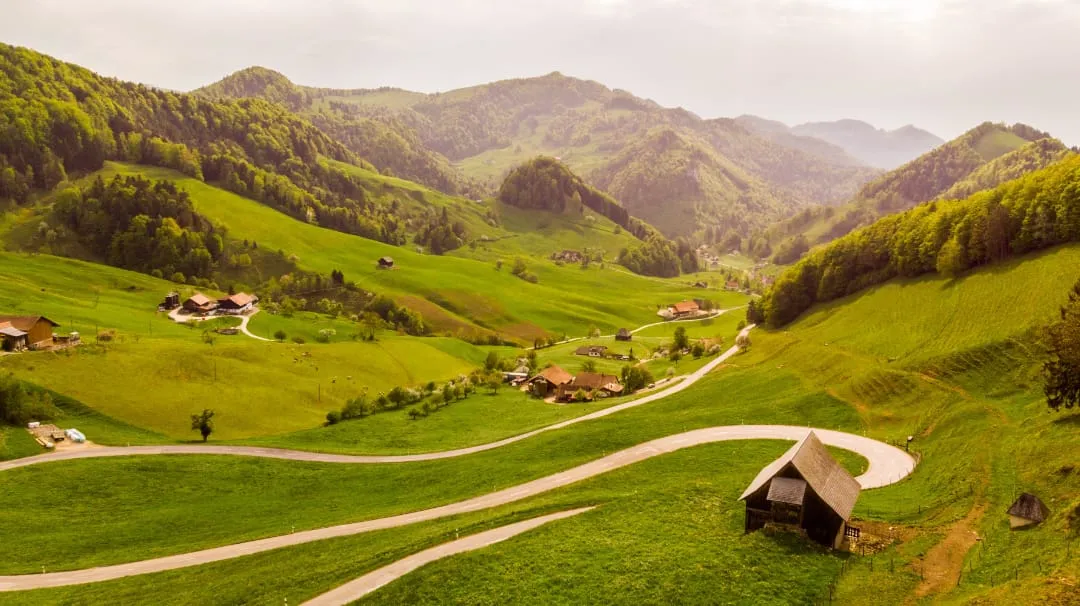
One of the most important decisions when starting off-grid is choosing the right location. This will shape your daily life, the sustainability of your setup, and your overall satisfaction. Here are the main factors to consider and tips for researching potential sites.
Factors to Consider
-
The local climate affects energy needs, water availability, and food-growing potential. Consider sunshine hours (for solar power), wind patterns (for wind turbines), rainfall (for water collection and agriculture), and temperature extremes. Think about how seasonal changes will affect your living conditions and resources.
-
Off-grid living often involves working within zoning laws, building codes, and environmental regulations. Research local laws regarding land use, renewable energy installations, water rights, and waste disposal. Some regions have restrictions or specific requirements that could affect your plans.
-
Proximity to roads, towns, or emergency services matters, especially for medical emergencies or supply runs. Consider how accessible the location is during all seasons, particularly in areas prone to harsh weather like heavy snowfall.
-
Assess natural resources: water sources, woodlands for building materials or heating, and fertile land for cultivation. Make sure using these resources is sustainable and will not deplete them or harm the local environment.
Tips for Researching and Visiting Potential Locations
-
Online Research and Networking: Use online forums, social media groups, and websites dedicated to off-grid living for firsthand accounts. Connect with local residents or off-grid communities for their insights.
-
Site Visits: Visiting potential locations in person is essential. Spend time on the land during different seasons. Observe sun exposure, wind patterns, and potential challenges like flooding or erosion.
-
Consulting Experts: Consider hiring or consulting an environmental expert, a renewable energy specialist, or a local planner to evaluate a location. They can give you practical insights into the feasibility of your plans at a specific site.
-
Local Authorities and Neighbours: Talk to local authorities to understand legal or regulatory considerations. Speak with neighbours or nearby residents for a clearer picture of the area, including both the benefits and problems.
-
Long-term Planning: Think about future changes in the area, including potential development, environmental shifts, or changes in regulations.
Selecting the right location balances practicality, legal compliance, and personal preferences. Take your time, research thoroughly, and visit multiple locations to find the one that fits your vision of off-grid living.
Basics of Solar Power

Solar power is a cornerstone of off-grid living, offering a renewable and sustainable energy source. Understanding the basics is important for anyone considering this lifestyle. Introduction to Renewable Energy Sources
Renewable energy comes from naturally replenishing sources, unlike finite fossil fuels. The most common renewable sources include solar, wind, hydro, and geothermal. Solar power, harnessed through photovoltaic (PV) panels, is the most popular for off-grid setups due to its relative simplicity and availability in most locations.
Comparing Solar and Traditional Energy
Solar power has several advantages over fossil-fuel-based energy:
Pros of Solar Energy:
- Sustainability: Solar power is inexhaustible, unlike fossil fuels.
- Low Environmental Impact: It reduces carbon footprint and pollution.
- Reduced Energy Costs: The energy generated is free after installation, leading to long-term savings.
- Independence: Off-grid solar systems give you energy autonomy.
Cons of Solar Energy:
- Initial Investment: The upfront cost of solar panels and batteries can be substantial.
- Variable Output: Solar energy depends on sunlight, making it less reliable in cloudy or rainy climates.
- Storage Challenges: Storing excess energy requires batteries, which can be expensive and need maintenance.
- Suitability: Solar power works best in locations with ample sunlight. Efficiency drops in areas with long cloud cover or short daylight hours.
Setting Up a Solar Power System
To set up a solar power system, several components and considerations are involved:
-
Solar Panels: The primary components that convert sunlight into electricity. The number and type of panels depend on your energy needs and available space.
-
Inverters convert the direct current (DC) electricity generated by panels into alternating current (AC) electricity used by most home appliances.
-
Batteries: These store energy for use when the sun is not shining. Battery capacity should match your energy needs and system output.
-
Charge Controllers: They protect batteries from being overcharged or overly discharged, extending their lifespan.
-
Assessment and Installation: Conduct an energy audit to determine your power needs. Choose a suitable location for panels, usually rooftops or an open area with maximum sun exposure. Professional installation is recommended, although DIY installations are possible with the right skills.
-
Maintenance: Regular cleaning of panels and periodic system checks keep performance optimal. Batteries in particular need monitoring and eventual replacement.
-
Legal and Safety Considerations: Check local regulations regarding solar panel installations. Ensure proper grounding and electrical safety standards are met.
Solar power is a practical and environmentally sound option for off-grid living. While the initial setup requires investment and planning, the long-term benefits of sustainability and reduced living costs make it a popular choice.
Water Sourcing and Purification in Off-Grid Living
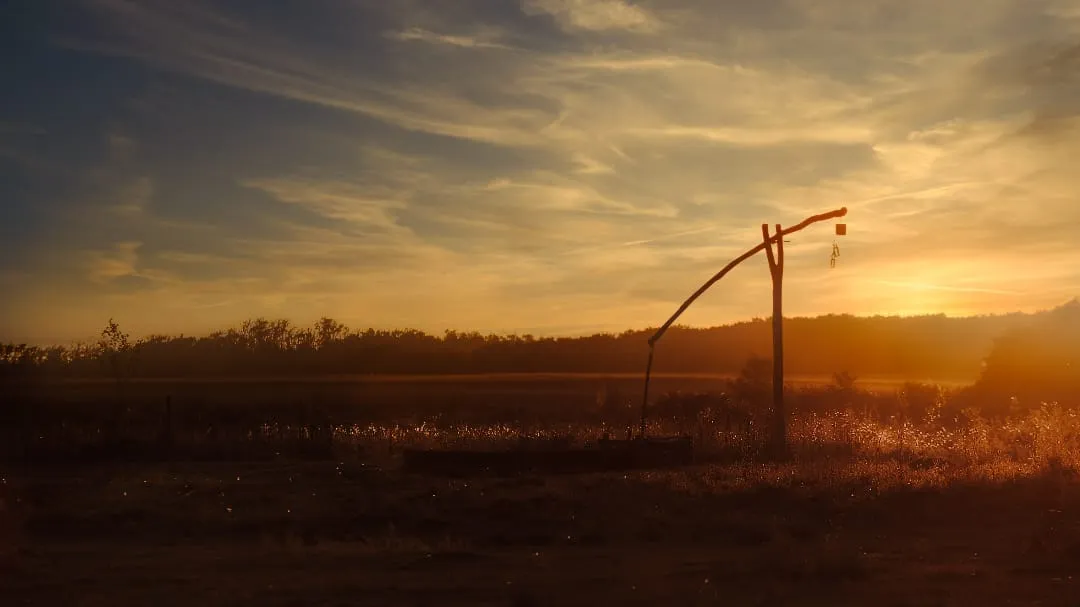
Securing a reliable and sustainable water supply is one of the most important parts of setting up off-grid. The methods of sourcing and purifying water vary, each with its own processes and considerations, and they will shape your day-to-day life.
Sourcing Water
Rainwater harvesting is common in off-grid communities. It involves collecting and storing rainwater, typically gathered from rooftops, filtered to remove debris, and stored in tanks. How well this works depends largely on local climate, particularly rainfall patterns, though it requires substantial storage capacity to bridge dry spells.
Wells tap into groundwater. Drilling or digging a well demands careful planning around location and depth, often requiring professional help. Regular testing for contaminants is necessary to keep the water safe for drinking.
In some locations, natural springs can be a viable water source. While spring water is often clean, regular purity tests and treatment options are still a good idea. Draw water sustainably to avoid depleting the spring or disrupting the local ecosystem.
Purification and Filtration
Once you have a water source, purification and filtration make it safe to drink. Filtration systems, from simple sediment filters to multi-stage setups, remove physical impurities like sediment and organic matter. The choice depends on the quality of your source water.
Purification complements filtration. Boiling is the simplest method, though it uses a lot of energy. Chemical treatments like chlorine or iodine work well but need careful handling. More advanced options include UV purification and reverse osmosis, both efficient but dependent on a steady power source.
Using both filtration and purification usually gives the best results. Regular maintenance of these systems is necessary for them to keep working properly. Legal and Environmental Considerations
Water rights and usage regulations vary by area, and permits may be required for well drilling or large-scale rainwater harvesting. Familiarize yourself with these rules to avoid legal issues.
Equally important is the environmental impact of water sourcing. Sustainable practices should minimize the ecological footprint, especially in sensitive areas. This means being aware of how your water sourcing and usage affects local ecosystems and communities, particularly in regions facing water scarcity.
Setting up a water system off-grid requires a mix of practical solutions, legal awareness, and environmental responsibility. By carefully selecting and managing water sources and purification methods, you can secure a sustainable and safe water supply. Regular reassessment and adaptation to changing conditions will help maintain this resource over time.
Sustainable Food Production in Off-Grid Living
Growing your own food is a central part of off-grid living. It reduces dependence on outside food sources and fits the broader goals of sustainability and environmental care. The approach involves understanding permaculture and organic gardening, integrating small-scale livestock, and planning around seasons and food preservation.
Principles of Permaculture and Organic Gardening
Permaculture is about creating sustainable, self-sufficient agricultural ecosystems. It means working with natural processes and cycles rather than against them. This involves designing garden spaces that mimic natural ecosystems, building beneficial relationships between plants and animals, and using resources sustainably.
Organic gardening goes hand in hand with permaculture. Growing food without synthetic pesticides or fertilisers, relying instead on natural processes and materials to nourish plants and control pests, produces healthier food while maintaining soil health and biodiversity. Integrating Small-Scale Livestock Farming
For those with the space and resources, small-scale livestock can greatly add to off-grid food production. Chickens provide eggs and meat while helping with pest control and soil fertilisation through foraging. Goats or sheep can be raised for milk, cheese, and wool while also managing land by grazing on weeds and shrubs.
Consider the animals’ needs, space requirements, and environmental impact carefully. The aim is a relationship where the animals contribute to the ecosystem while providing food and other resources.
Seasonal Planning and Food Preservation
Understanding and planning for changing seasons is necessary in off-grid living. This means knowing what to plant and when, to keep a steady supply of fresh produce throughout the year. Seasonal planning also prepares you for times of scarcity, especially in harsh climates.
Food preservation is an essential skill. Techniques like canning, drying, fermenting, and cold storage let you store surplus produce for use when fresh food is not available. These methods provide food security, reduce waste, and maintain dietary variety year-round.
Sustainable food production off-grid requires ecological understanding, practical skills, and a willingness to work with nature. By applying permaculture and organic gardening principles, integrating livestock thoughtfully, and planning around the seasons, you can build a resilient food system. This ensures a reliable food supply and deepens the connection with the land that is at the heart of off-grid living.
Building or Renovating Off-Grid Homes
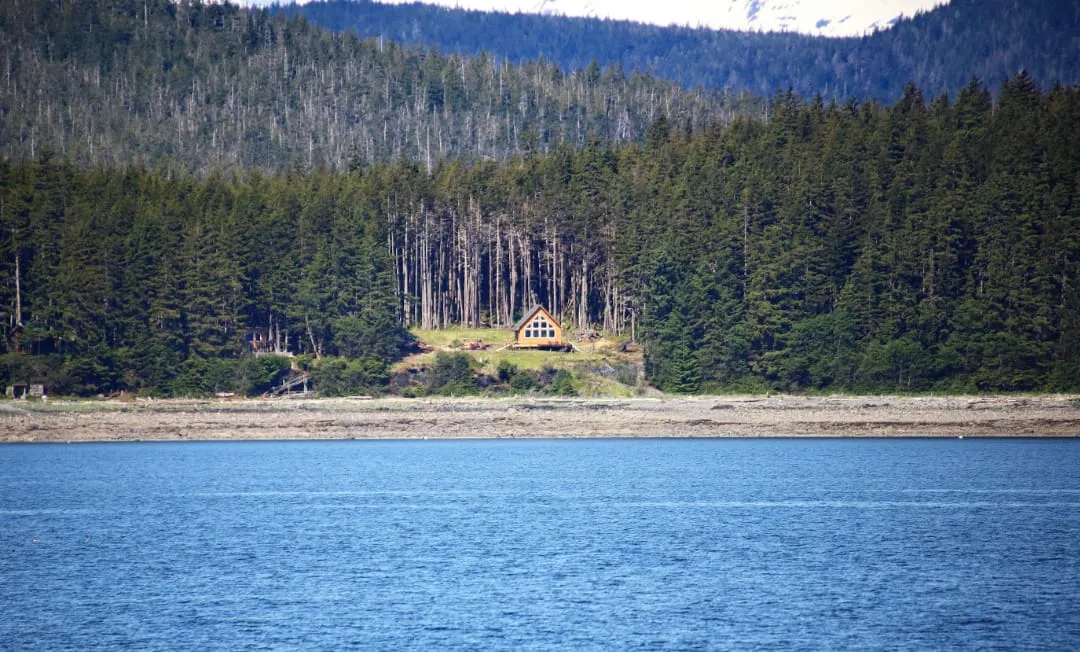
Creating or adapting a home for off-grid living takes careful planning around sustainability, efficiency, and self-sufficiency. Whether building from scratch or renovating, the focus falls on eco-friendly materials and designs, effective insulation and climate control, and the choice between doing it yourself and hiring professionals.
Eco-Friendly Building Materials and Designs
Material and design choices matter. Eco-friendly building materials like reclaimed wood, natural stone, bamboo, and recycled metal or glass are popular options. These materials are sustainable and often complement the natural surroundings.
The design should prioritize energy efficiency and make use of natural resources. This includes passive solar design (orienting the house and choosing materials to maximize natural heating from the sun) and features like green roofs or earth berms for natural insulation. The goal is a living space that works with its environment and keeps its ecological footprint small.
Insulation, Heating, and Cooling
Good insulation is important for maintaining comfort and reducing energy needs. Sustainable options like cellulose, sheep’s wool, or cotton batts provide excellent insulation. Windows and doors should be energy-efficient, with double or triple glazing to prevent heat loss.
Heating in off-grid homes often relies on wood stoves or solar heating supplemented by passive solar design. For cooling, natural ventilation, shade from vegetation, and reflective materials can help keep things comfortable without energy-hungry air conditioning.
DIY vs. Hiring Professionals
The decision between DIY and hiring professionals depends on your skill level, budget, and the project’s complexity. DIY can save money and provides a sense of accomplishment, but it demands significant time and effort. Be honest about your abilities and the scope of the project before deciding to go it alone.
Hiring professionals ensures the work is done efficiently and to a high standard. Professionals bring expertise in structural integrity, eco-friendly design, and compliance with local building codes. For those without construction experience or for more complex projects, professional help can be invaluable.
Building or renovating off-grid means balancing sustainability with practicality. Using eco-friendly materials, focusing on efficient insulation and climate control, and carefully considering how much professional help you need are all part of creating a home that is self-sufficient and in harmony with its surroundings. It is challenging work, but it is a major step toward successful off-grid living.
Waste Management and Recycling in Off-Grid Living
Managing waste well is a necessary part of a sustainable off-grid lifestyle. The goal is to minimize waste, repurpose materials, and return nutrients to the earth. This involves composting, waste reduction, and setting up recycling systems.
Composting and Waste Reduction Strategies
Composting is fundamental to off-grid living. It turns organic waste like kitchen scraps and yard debris into nutrient-rich soil for gardens. Various methods work, from simple backyard compost heaps to worm composting or bokashi systems.
Beyond composting, reducing waste at the source helps too. This means buying in bulk, choosing products with minimal packaging, and repairing or repurposing items instead of throwing them away. Being mindful about consumption and waste makes a real difference.
Recycling Systems and Their Implementation
Setting up a recycling system is another step in managing waste sustainably. This means sorting and collecting recyclable materials like paper, glass, metal, and certain plastics. Since off-grid locations may not have easy access to municipal recycling facilities, plan for storing recyclables and transporting them to recycling centres when possible.
Some off-grid residents find creative ways to reuse materials on-site. Glass bottles can be used in building projects, metal cans for storage, or plastic containers for starting seedlings. This reduces the need for disposal while putting resourcefulness to work.
Key Considerations
- Space and Setup: Designate specific areas for composting and storing recyclables. Keep these areas organized and protected from pests.
- Community Involvement: In some off-grid communities, residents collaborate on larger composting projects or organize shared trips to recycling centres.
- Education and Awareness: Stay informed about waste management practices and be open to adopting new methods as they become available.
- Legal Compliance: Be aware of local regulations regarding waste disposal and recycling, especially when handling electronics or hazardous materials.
Waste management and recycling off-grid require a proactive approach. By composting effectively, reducing waste, and establishing recycling systems, you can minimize your environmental impact. These practices support your lifestyle’s sustainability and demonstrate responsible, low-waste living.
Community and Networking in Off-Grid Living

While off-grid living emphasizes self-sufficiency, community and networking play a larger role than you might expect. Being part of a group of like-minded people provides support, shared knowledge, and a sense of belonging.
The Importance of Community in Off-Grid Living
Community serves multiple purposes in off-grid life. It offers emotional support, which matters in remote or isolated settings. Sharing experiences and challenges with people who understand this lifestyle can make a real difference. Communities also share resources and skills, making it easier to handle large projects or overcome specific difficulties. This kind of mutual aid becomes particularly valuable in a lifestyle that can be physically and emotionally demanding.
Networking with other off-gridders brings practical benefits too: tips on sustainable living, recommendations for reliable suppliers, or advice on dealing with local regulations. This exchange of information is especially helpful for newcomers.
Resources for Finding and Connecting with Like-Minded Individuals
- Online Forums and Social Media Groups: The internet offers many ways to connect with off-grid communities. Platforms like Reddit, Facebook, and dedicated websites host forums where people share experiences and offer advice.
- Local Workshops and Meetups: Attending workshops or local meetups focused on renewable energy, permaculture, or sustainable building is a good way to meet people in your area.
- Community Events and Conferences: Sustainability expos, eco-living conferences, and local farmers’ markets are useful places to connect with others interested in or already living off-grid.
- Volunteering: Community service projects or volunteering with environmental organisations can lead to connections with people who share similar values.
- Off-Grid Training Programs: Training courses related to off-grid skills build your knowledge and put you in touch with peers and instructors in the field.
- Local Community Boards and Clubs: Checking community bulletin boards or joining local clubs centred around gardening, hiking, or environmental stewardship can lead to valuable connections.
Building and Maintaining Connections
Building a network takes time and effort. Regular participation in community activities, sharing your own experiences, and offering help to others all strengthen these bonds. Even in remote living situations, digital communication can keep the sense of community alive.
Community and networking are important parts of off-grid living. They provide a support system, a way to learn and share, and a means of maintaining social connections. Engaging with others who share your interests makes the off-grid experience richer and more sustainable over the long term.
Preparing Financially for Off-Grid Living

Transitioning to off-grid living requires careful financial planning, both for the initial setup and for managing ongoing costs. Good planning helps ensure a sustainable and stress-free experience. Thinking about potential income sources while living off-grid is also important for long-term stability.
Budgeting for the Initial Setup
The initial setup can be a major expense. This phase includes purchasing land, building or modifying a home, setting up renewable energy systems (like solar panels or wind turbines), establishing water sourcing and purification, and implementing waste management.
- Itemized Cost Analysis: Create a detailed budget listing all expected expenses. Research the costs of different options for housing, energy systems, water solutions, and so on.
- Prioritising Expenses: Decide what needs to happen immediately and what can be phased in over time. A basic solar system might be a priority, while more extensive landscaping can wait.
- Contingency Funds: Set aside a portion of the budget for unexpected expenses. Off-grid setups often run into unforeseen challenges that bring additional costs.
Managing Ongoing Costs
Living off-grid often reduces many recurring expenses associated with conventional living, like utility bills. But there are ongoing costs to consider:
- Maintenance and Replacement: Renewable energy systems, water filters, and other equipment need maintenance and eventual replacement. Budget for these.
- Property Taxes and Insurance: These continue even off-grid. Factor them into your ongoing budget.
- Living Expenses: Day-to-day costs like food, healthcare, transportation, and communication still apply.
Potential Sources of Income While Living Off-Grid
- Remote Work: The growth of remote work makes it easier to earn an income from virtually anywhere. This can work well for off-grid residents with internet access.
- Selling Produce or Crafts: If your setup includes growing food or making crafts, these can be sold at local markets or online.
- Offering Workshops or Tours: Your off-grid lifestyle and skills can generate income through educational workshops or tours.
- Freelancing or Consulting: Put your professional skills to work on a freelance or consulting basis.
- Online Content Creation: Sharing your off-grid journey through blogging, video, or social media can potentially generate income through advertising or sponsorships.
Financial preparation for off-grid living involves thorough budgeting for setup and ongoing costs, plus exploring diverse income streams. A solid financial strategy will smooth the transition and support a more sustainable lifestyle long term. Being financially prepared lets you focus on the rewards of living off the grid.
Overcoming Challenges in Off-Grid Living
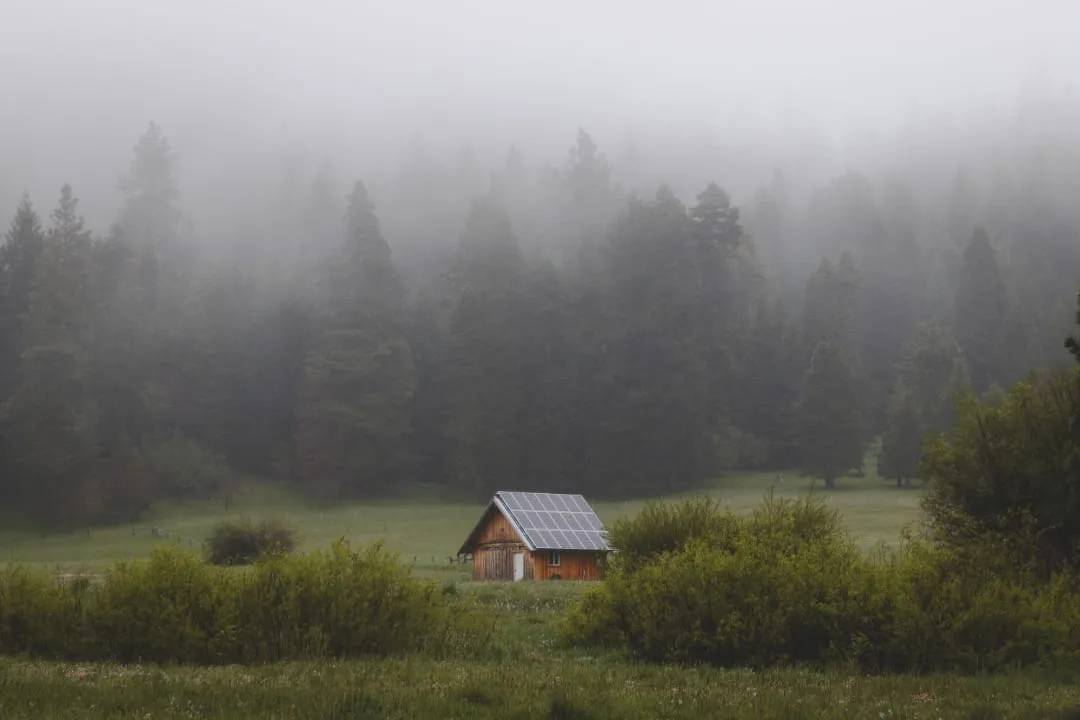
Starting off-grid brings real challenges, particularly for newcomers. Understanding what to expect and preparing strategies to cope makes a big difference.
Learning Curve and Skill Acquisition
The learning curve is steep. Off-grid living demands skills ranging from managing renewable energy systems and water sourcing to gardening and basic carpentry. This can feel overwhelming at first, but the key is treating it as a continuous process. Invest time in educational resources: online courses, workshops, and books. Be patient with yourself and allow time to build these skills gradually.
Social Adjustments and Isolation
Isolation can be a real challenge, especially for those moving from urban areas. Adjusting from a busy social life to the quiet of off-grid living takes a mental and emotional shift. Building a support network becomes important. Engage with local communities, join online forums, or participate in off-grid living groups. These networks provide both emotional support and practical advice.
Financial Management
The financial side of setting up and maintaining an off-grid lifestyle can also be challenging. The initial setup often requires a large investment, and ongoing expenses differ from what you might be used to. Developing a thorough budget that includes potential unexpected costs is necessary. Exploring varied income streams helps maintain financial stability.
Navigating Regulatory Hurdles
Dealing with regulations is another area where newcomers find challenges. Understanding and complying with zoning laws, building codes, and environmental regulations varies by location. Building a good working relationship with local authorities and seeking advice from experienced off-gridders can help. Think of regulations as part of the process rather than obstacles, since they exist to ensure safe and sustainable practices.
Adapting to Environmental Challenges
Living off-grid means adapting to the local environment, which can be particularly hard in areas with extreme or unpredictable weather. This requires both physical preparation (building and system design) and a mental readiness to work with natural rhythms. Understanding and respecting the local environment, and tailoring your approach to match it, is important. This might mean designing your home for specific weather conditions or learning to work with the land for food production.
Energy and Water Management
Keeping energy and water supplies consistent and reliable is an ongoing focus. This often means dealing with fluctuating conditions and troubleshooting system failures. Backup plans, like generators or additional water storage, provide security. Regular system maintenance and staying informed about new technologies and methods improve efficiency and reliability.
Emotional Resilience and Community Collaboration
The emotional side of off-grid living should not be underestimated. Practices like mindfulness, staying connected with loved ones, and setting realistic expectations all help maintain well-being. Reaching out to and collaborating with your community can lead to shared resources, practical solutions, and a stronger sense of belonging.
While off-grid living comes with real challenges, preparing for them leads to a rewarding experience. Education, community, financial awareness, regulatory compliance, environmental adaptability, good system planning, and emotional resilience all contribute to making it work. With determination and resourcefulness, these challenges become opportunities for growth.
Conclusion: Starting the Off-Grid Journey
The journey toward off-grid living is a shift toward self-sufficiency, sustainability, and a closer relationship with the natural world. It challenges conventional living, demands resilience and adaptability, and offers genuine freedom and fulfilment in return.
It starts with the vision of a less dependent, more environmentally grounded life. It involves careful planning: selecting a location that balances natural resources with legal and accessibility needs, and setting up energy, water, and food systems that work with natural cycles.
Building or renovating a home with eco-friendly materials sets the stage for comfortable, sustainable living. Managing waste and recycling reduce your environmental footprint. The financial side of off-grid living teaches resourcefulness and planning, while community connections bring belonging and shared purpose.
Challenges like the steep learning curve, the need for varied skills, financial management, and social adjustment are real. But they are manageable, and working through them builds resilience and capability. Taking the First Step
For those considering this lifestyle, the first step is often both the hardest and the most rewarding. Start by educating yourself, connecting with communities, and slowly incorporating sustainable practices into your current life. Off-grid living does not happen overnight. It is a gradual process of learning, growing, and adapting.
Take each stage of the journey with an open mind. Off-grid living is about how you live as much as where you live. It means making conscious choices, being mindful of your environmental impact, and building a life that reflects your values.
So take that first step. Whether it is starting a vegetable garden, installing a rainwater harvesting system, or planning an eco-friendly home, each action brings you closer to the goal. Every journey begins with the willingness to leave the familiar behind and try something different.
Along the way, you will discover strengths and capabilities you did not know you had. Off-grid living is more than a lifestyle change. It is proof of people’s ability to adapt, thrive, and live well on their own terms.
Related guides
- Off-Grid Power for Rural UK Homes: Systems, Costs & SetupOff-grid power for UK rural homes means generating and storing your own electricity with solar, wind, hydro, batteries and backup generators. This guide covers the systems, real costs and setup steps.
- Solar Power Systems for UK Rural Properties: A Comprehensive Sizing and Installation GuideThis detailed guide explores the unique challenges and opportunities of installing solar power systems on rural properties in the UK. It covers system sizing, installation considerations, grid connection, financial incentives, and long-term maintenance to help rural homeowners make informed decisions about adopting solar energy.
- Smart Battery Management: 20-Year Lifespan Energy Storage SystemsDiscover how modern smart battery management systems and lithium iron phosphate technology enable energy storage systems with lifespans of 15-20 years, ideal for rural energy independence. Learn about installation, maintenance, and the economics of long-term battery solutions.