
Understanding the Distinct Worlds: Rural vs. Urban Areas
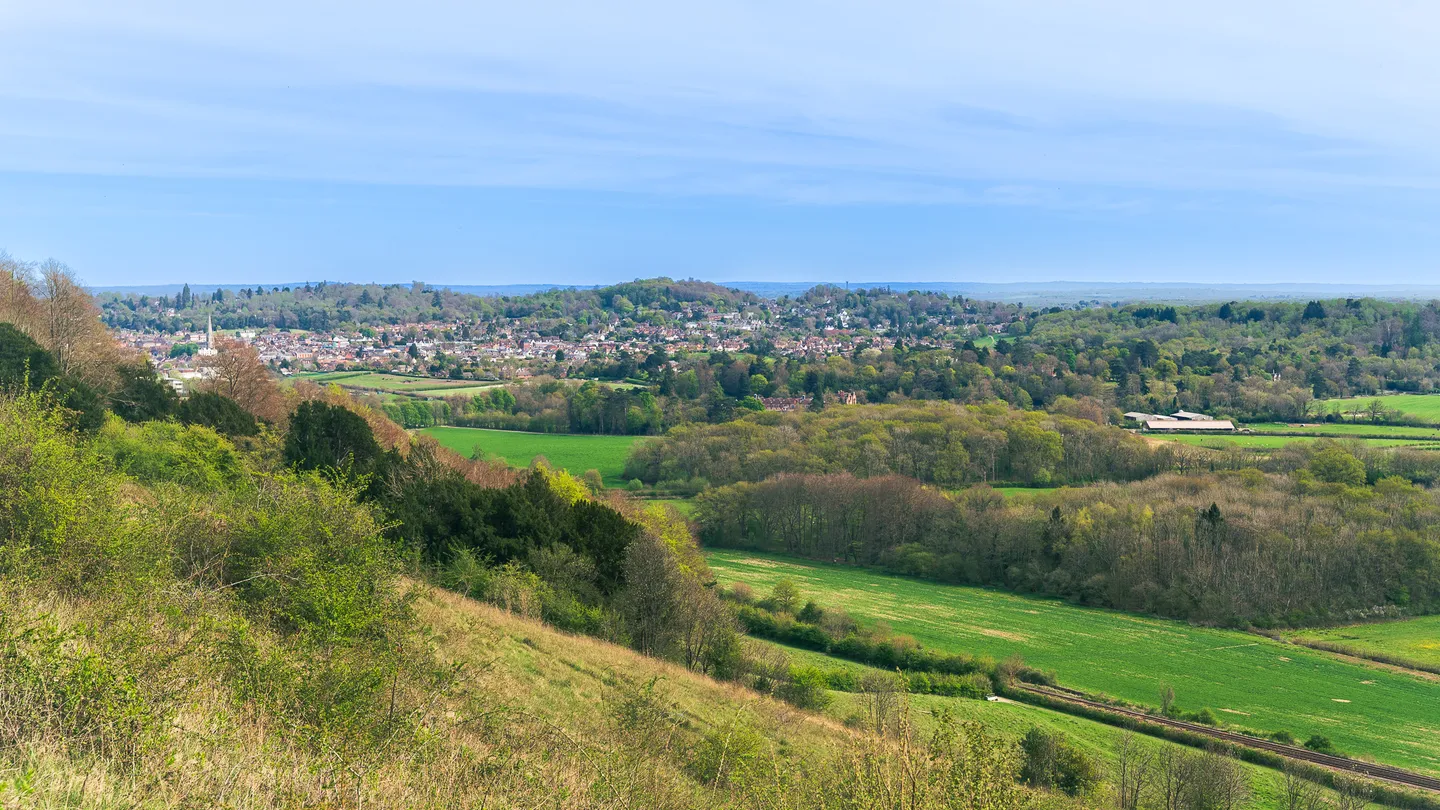
In this article we examine the fundamental differences between rural and urban living, focusing on aspects such as population density, lifestyle, economic activities, and infrastructure. Discover insights into how these differences impact daily life, residence, policies, and investments.
The differences between rural and urban areas shape everything from lifestyle choices to economic opportunities and environmental conditions. Understanding these distinctions matters for anyone considering where to live, work, or travel.
Rural areas typically have low population density, open natural landscapes, and a strong sense of community, often with agriculture playing a central role in the local economy. Urban areas, by contrast, are defined by high population density, dense built environments, and a wide range of economic activities including manufacturing, services, and technology.
This article looks at the practical distinctions between these two settings. By examining population density, lifestyle, economic activities, infrastructure, environmental quality, and living costs, we can better understand the unique challenges and opportunities each presents.
Population Density and Size: Contrasting Rural and Urban Realities
The most obvious distinction between rural and urban areas shows up in population density and community size. Population density, the number of people per square kilometre or mile, directly influences social dynamics, infrastructure, and available resources.
Urban Areas: High-Density and Larger Communities
Urban areas have high population density and function as hubs of economic, cultural, and social activity, drawing diverse populations. According to the United Nations, approximately 55% of the world’s population lived in urban areas in 2018, a figure projected to reach 68% by 2050. New York City, for instance, has a population density of about 10,194 people per square kilometre (26,403 per square mile).
Rural Areas: Low-Density and Smaller Communities
Rural areas have much lower population densities. They tend to feature open natural landscapes, with agriculture and natural resources forming the base of the local economy. Communities are smaller and more spread out. In the United States, rural areas cover about 97% of the nation’s land area but are home to just 19.3% of the population, according to the U.S. Census Bureau. Population density in many rural areas falls between 10 and 100 people per square kilometre.
Urban areas, with their higher density, tend to have more developed infrastructure like public transport and healthcare facilities, but also face congestion and higher living costs. Rural areas offer more space and closer connection to nature, but often have limited access to services and amenities.
These population differences shape nearly every aspect of life, from social interactions and lifestyle to the availability of services and employment. Understanding them matters for decisions about urban planning, real estate, community development, and personal choices about where to live.
Lifestyle and Community: Rural Pace and Urban Energy
Lifestyle and sense of community in rural and urban areas differ substantially, shaped by pace of life, population density, and local norms. These differences affect social interactions, community involvement, and overall quality of life.
Rural Areas: Slower Pace and Community-Centred Living
Life in rural areas tends to move more slowly, thanks to lower population density, less traffic, and less industrial activity. The community-centred lifestyle builds a strong sense of belonging and mutual support. People in rural communities often know each other by name, connected through shared experiences and a common relationship with the local environment.
Social interactions tend to be more frequent and personal. Local markets, festivals, and town meetings play a real role in social life. This close-knit structure often means neighbours look out for each other and step in when help is needed.
Urban Areas: Fast-Paced and More Individual
Urban environments move faster. The concentration of people and activities creates a dynamic, constantly changing setting. Urban residents engage in a wide range of professional, cultural, and social activities.
However, this pace can lead to a more individual approach to life, with less emphasis on community bonds compared to rural areas. Social interactions in urban settings are often more transactional and less personal. While cities offer many ways to socialise, from cultural events and restaurants to clubs, these interactions can sometimes lack the depth and continuity found in rural communities.
Impact on Social Interactions and Community Involvement
The contrast in lifestyles between rural and urban areas has a real impact on social connections. Rural areas’ close-knit structure encourages active participation in local affairs and strong personal relationships. In urban areas, while social opportunities are more diverse, the faster pace can sometimes lead to social isolation or weaker community ties.
Understanding these differences helps anyone considering a move, as well as policymakers working on community well-being.
The economic picture in rural and urban areas also differs substantially, particularly in dominant industries and the employment opportunities available.
Rural Economies: Agriculture, Forestry, and Mining
Rural economies traditionally centre on primary industries like agriculture, forestry, and mining. These sectors are often the backbone of rural communities, providing most employment and economic activity.
- Agriculture: According to the Food and Agriculture Organization (FAO), over 2.5 billion people worldwide depend on agriculture, with a large share located in rural areas.
- Forestry and Mining: These are also important economic drivers in many rural regions, providing raw materials and employment.
However, dependence on these industries can make rural economies vulnerable to market swings and environmental changes.
Urban Economies: Diverse and Service-Oriented
Urban areas have more diverse economies. The concentration of people and infrastructure in cities supports a wide range of economic activities.
- Manufacturing: While less central than it once was, manufacturing still plays a role in many urban economies.
- Services and Technology: Finance, education, healthcare, and technology have become dominant in urban economies. Cities are increasingly hubs for the service sector and knowledge-based industries.
- Innovation and Entrepreneurship: Urban areas tend to have more startups and innovation centres, driven by access to a diverse talent pool and resources.
Insights from Economic Reports
Economic reports consistently highlight the contrast between rural and urban economies. The World Bank notes that urban areas often generate a disproportionate share of national GDP. But rural economies provide essential resources and hold real potential for sustainable development and ecological stewardship.
While urban areas offer more diverse jobs and generally higher income potential, rural economies supply resources that are important for everyone. The different economic profiles of these areas call for different kinds of policy attention and investment.
Infrastructure and Services: Two Different Realities
The availability and quality of infrastructure and services (healthcare, education, public transport) vary considerably between rural and urban areas. These differences directly affect quality of life.
Urban Areas: Well-Developed Infrastructure and Services
Urban residents generally benefit from well-developed infrastructure and a wide range of services.
- Healthcare: Urban areas typically have more hospitals and facilities, offering a broader range of medical services and specialties, plus access to advanced technology and more healthcare professionals.
- Education: Urban regions usually have more diverse educational institutions, from primary schools to universities, with more specialized and advanced programmes.
- Public Transport: Cities tend to have more developed systems including buses, subways, and trains, making getting around easier and often cheaper.
Rural Areas: Limited but Evolving Infrastructure and Services
Rural areas face different challenges, though they also have their own advantages.
- Healthcare: Fewer facilities, and residents may need to travel further for care. Specialist services and professionals are less concentrated.
- Education: Fewer schools, often more spread out. This can limit the range of programmes and extracurricular activities available.
- Public Transport: Typically less developed than in urban settings. Residents rely more on personal vehicles, which creates difficulties for those without access to a car.
Challenges and Benefits
While urban areas have stronger infrastructure and services, they deal with overcrowding, higher living costs, and sometimes stretched resources. Rural areas, despite their limitations, often offer a closer community, lower cost of living, and more direct connection to nature.
Bridging the Gap
Efforts to close the infrastructure gap are ongoing. Technological advances like telemedicine and online education are extending services to rural residents. Infrastructure development in rural areas, though harder due to lower population density and funding constraints, remains important for fair access to services and improved quality of life.
Environment and Living Space: Different Landscapes and Lifestyles
Environmental quality and living spaces differ markedly between rural and urban areas, each offering unique experiences and trade-offs.
Environmental Quality
- Rural Areas: Typically offer better air quality and more access to natural spaces. Lower population density and less industrial activity mean less pollution. Residents often have direct access to forests, lakes, and mountains.
- Urban Areas: While lively and diverse, cities often face environmental challenges. Higher population density and industrial activity can lead to poorer air quality. The urban heat island effect, where cities run hotter than surrounding rural areas, is another concern. However, many cities are creating green spaces like parks and community gardens to offset these effects.
Living Spaces
- Rural Areas: Homes tend to be more spacious with larger land areas. Residents often have room for gardens, workshops, or large outdoor spaces. Lower land costs mean more space for the money.
- Urban Areas: Living spaces are generally more compact, with apartments and high-rises more common than standalone houses. This high-density living means less personal space but easier access to shops, restaurants, and entertainment.
The Trade-Offs
Rural residents enjoy more space and a nature-oriented environment, ideal for those seeking peace and community. But this can mean fewer amenities and longer travel times. Urban residents benefit from convenience and cultural diversity, but with smaller living spaces and a faster, sometimes more stressful, environment.
Cost of Living: Rural Affordability vs. Urban Expense
The cost of living in rural and urban areas differs substantially, influenced by housing, food, and services. These variations play a big role in where people choose to live and work. Housing Costs
- Rural Areas: Housing costs are generally lower. More land and lower demand result in lower property prices and rents. According to Numbeo, rural areas in the United States can have housing costs well below the national average.
- Urban Areas: Higher population density and demand for space push housing costs up. Apartments can be expensive, especially in city centres. Major cities like New York City or London show much higher housing costs than national averages.
Food and Groceries
- Rural Areas: Food costs can vary. Some locally produced items may be cheaper, but lower sales volumes and higher transport costs can raise prices for certain goods.
- Urban Areas: Urban residents often benefit from competitive markets where multiple retailers drive prices down. But this is not universal; the general cost of living in some urban areas can push up food prices too.
Services and Utilities
- Rural Areas: Internet, healthcare, and utilities can cost more due to higher infrastructure and delivery costs in sparsely populated areas.
- Urban Areas: More competitive pricing for utilities and services, thanks to more providers and better infrastructure. However, this is offset by the generally higher overall cost of living.
Overall Cost of Living
When weighing the overall cost of living, consider income opportunities and lifestyle preferences alongside expenses. Urban areas, despite higher costs, often offer higher salaries and more job opportunities. Rural areas may be cheaper to live in but might not offer the same income levels or employment range.
The cost of living in rural versus urban areas is a complex picture with trade-offs in housing, food, services, and lifestyle. Weighing these factors against personal and professional needs helps make better decisions about where to live and work.
Challenges and Opportunities: Both Sides
Both rural and urban areas present unique challenges and opportunities.
Challenges in Rural Areas
- Job Scarcity: Fewer job opportunities, especially in high-tech and specialized fields. The economy may rely heavily on a few industries.
- Limited Services: Healthcare, education, and other services may be harder to access due to sparse population and longer distances.
- Infrastructure Gaps: Transportation networks, internet connectivity, and utilities can be inadequate.
Opportunities in Rural Areas
- Remote Work: The rise of remote work has opened up new possibilities for rural living. With an internet connection, many jobs are now accessible anywhere.
- Sustainable Living: Rural areas offer potential for a more sustainable lifestyle, with opportunities for renewable energy, organic farming, and conservation.
- Lower Cost of Living: Housing and land costs are generally lower, offering more affordable options for living and investment.
Challenges in Urban Areas
- High Cost of Living: Major cities often have expensive housing and general living costs.
- Congestion and Pollution: Urban centres can suffer from traffic, air and noise pollution, and a more stressful living environment.
- Social Challenges: Inequality, crime, and homelessness can be more pronounced.
Opportunities in Urban Areas
- Diverse Job Market: More diverse jobs with higher income potential.
- Cultural and Social Life: Cities provide cultural, educational, and social opportunities, from museums and theatres to universities and community events.
- Innovation: Urban areas are often hubs of innovation, offering opportunities for entrepreneurship and career advancement.
Bridging the Divide
Technology, including remote work, online education, and telemedicine, can help close some gaps between rural and urban areas. Policy focused on infrastructure development, economic diversification, and sustainable development can further improve quality of life in both settings.
Rural and urban areas each have distinct challenges but also distinct opportunities. Making the most of them while addressing the problems requires practical solutions, technology, and good policy.
Navigating the Rural-Urban Spectrum
To summarize the differences between rural and urban areas:
Key Differences
- Population Density and Size: Urban areas have high density and larger communities; rural areas have lower density and smaller, more spread-out communities.
- Lifestyle and Community: Rural areas offer a slower, community-centred lifestyle with strong social bonds. Urban areas are faster-paced and more individual.
- Economic Activities: Rural economies often centre on agriculture, forestry, and mining. Urban economies are diverse, including manufacturing, services, and technology.
- Infrastructure and Services: Urban areas generally have more developed infrastructure and a wider range of services. Rural areas face challenges in service access but are improving through technology.
- Environment and Living Space: Rural areas generally have better environmental quality and more spacious living. Urban areas face environmental challenges but offer convenience and high-density living.
- Cost of Living: Living costs are generally higher in urban areas, particularly for housing and services. Rural areas often offer a more affordable lifestyle.
For individuals, understanding these distinctions helps make choices that fit personal preferences and needs. Whether you are drawn to the community and quiet of rural living or the variety and energy of urban environments, knowing what each offers helps make better decisions.
While urban areas offer a range of opportunities and conveniences, rural living holds its own appeal and potential. The slower pace, closer community ties, and connection with nature provide a genuine alternative to urban life.
With the right policies and investment, the strengths of rural areas can be developed and preserved, ensuring a balanced approach across the rural-urban divide.