
Japanese Rural Areas Offer Over 8 Million Vacant Homes for as Low as $500 to Attract New Residents
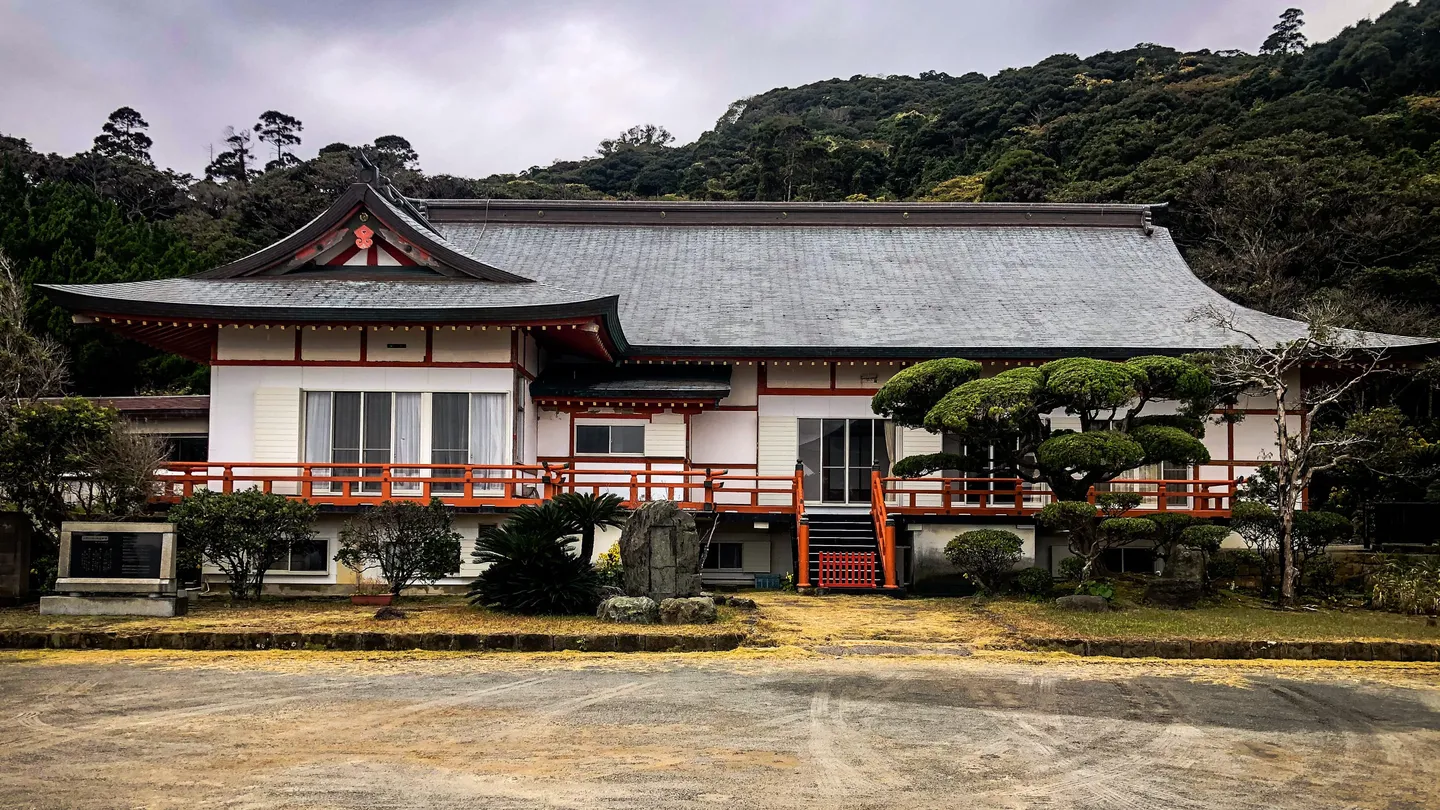
Photo by Yuri Medeiros on Yuri Medeiros
Japan is grappling with a surplus of over 8 million unoccupied homes in rural areas. To address this, local governments are offering these homes at extremely low prices, some even as low as 50,000 yen (approximately $455).
Japan has more than 8 million empty homes in its rural areas. Local governments are selling them at rock-bottom prices, some for as little as 50,000 yen (about $455).
The Housing and Land Survey in Japan, conducted in 2018, recorded an all-time high of 8.49 million vacant homes, known as “akiya.” Most became empty after relatives died or when residents moved to cities. The survey showed a 3.2% increase in vacant homes since 2013, with 13.6% of the country’s 62.42 million homes sitting unoccupied. Prefectures like Wakayama, Tokushima, Kagoshima, and Kochi have vacancy rates above 18%.
Former Prime Minister Yoshihide Suga made rural revitalization a priority in Japan’s broader economic strategy. His administration worked to boost rural economies through tourism and agricultural reforms.
To help people find and buy these homes, cities such as Tochigi and Nagano have set up “akiya banks,” online platforms that list available properties. Some homes go for token prices or even free, as seen in Okutama in western Tokyo. New residents have repurposed these properties as workshops, cafes, and other small businesses.
The program also helps former homeowners, who were stuck paying maintenance costs and taxes on properties they no longer used. For local governments, it reduces the safety risks and costs that come with abandoned buildings.
Provincial governments have added financial incentives to draw remote workers. Mikasa in Hokkaido saw an 11% drop in vacant homes after introducing childcare and home purchase subsidies. Daisen in Tottori Prefecture achieved a 7.9% decrease after offering 2 million yen grants for house renovations.
A program planned by the Japanese government will give remote workers who keep their Tokyo jobs a 1 million yen grant to relocate to the countryside. Those starting IT businesses in rural areas can receive up to 3 million yen.
The issue of vacant homes extends beyond Japan. Similar programs exist in Europe, where towns offer financial incentives and practically free homes to attract new residents and counter population decline.